We can leverage the Google ecosystem – specifically Google Alerts and Gemini AI – to build your own “Market Intelligence Gathering Agent” for staying informed about the market we are interested in – in this example pharma sales.
The Goal: To establish a system using Google tools to monitor and summarize publicly available information relevant to your market, delivering key insights, with automation where possible.
Step-by-Step Guide Using Google Alerts and Gemini:
Define Your Intelligence Needs: Identify the key areas you need to monitor:
Competitor Activities
Policy Updates
Market Trends
Set Up Google Alerts for Automated Monitoring: Google Alerts allows you to receive email notifications whenever new results match your search queries. This introduces a level of automation.
Create alerts for your key intelligence areas. Use specific keywords. Examples:
Competitor Activities:"PharmaCorp" AND "Xylo" AND (clinical trial OR approval OR marketing)
Policy Updates:reimbursement "rheumatoid arthritis", "FDA" AND "guidance" AND [Therapeutic Area]
Market Trends:"emerging trends" AND "[Therapeutic Area]", "KOL insights" AND "[Therapeutic Area]"
Configure the alerts to your desired frequency (e.g., “as-it-happens,” “daily,” “weekly”), sources, and delivery method (your Gmail).
Leveraging Gemini for Summarization (When Alerts Arrive): When you receive a Google Alert email with relevant articles, you can use Gemini to quickly summarize the key information.
“Summarize the key takeaways from this article regarding [topic].”
“What are the implications of this policy update for the market of [Therapeutic Area]?”
“Extract the main points about [Competitor Product]’s latest clinical trial results from this text.”
Share Insights via Google Workspace (Gmail, Google Chat): Once Gemini provides a summary, you can easily share it with your team using Gmail or Google Chat.
Gmail: Forward the Google Alert email with your Gemini summary or key takeaways.
Google Chat: Paste the summary into a relevant team chat room with your analysis.
Example Workflow:
You set up a Google Alert for "New Phase III results" AND "NovoCure" AND "glioblastoma".
You receive an email alert with a link to a press release about NovoCure’s latest trial data.
You copy the text of the press release and paste it into Gemini with the prompt: “Summarize the key findings of this press release regarding NovoCure’s Phase III trial in glioblastoma.”
Gemini provides a concise summary of the trial results.
You share this summary with your neurology sales team via Google Chat, adding your perspective on its potential impact.
Comparing Google vs Microsoft for automation
With Google Alerts, the system proactively sends you information based on your defined keywords, rather than you having to manually initiate a search each time with Microsoft Copilot.
However, the summarization and sharing steps still involve some manual interaction with Gemini and Google Workspace tools.
Limitations and Advantages (Google):
Advantage: Automated Information Gathering: Google Alerts provides a continuous stream of potentially relevant information without manual prompting.
Limitation: You still need to manually review alerts and use Gemini for summarization.
Advantage: Gemini is specifically designed for conversational AI and text summarization, potentially offering more nuanced summaries than a general-purpose AI in a search context.
Advantage: Seamless integration with the Google Workspace ecosystem for sharing.
Getting Started:
Identify your key market intelligence areas.
Set up relevant Google Alerts. Experiment with different keywords and alert settings.
Familiarize yourself with using Gemini for summarizing text.
Establish a communication channel in Google Chat or a distribution list in Gmail for sharing market intelligence.
By combining the proactive monitoring of Google Alerts with the summarization power of Gemini, you can build a robust market intelligence gathering system within the Google ecosystem.
What market intelligence area will you set up a Google Alert for today?
In the business world saving time and making informed decisions are critical. Fortunately, artificial intelligence offers a suite of tools to boost productivity and provide valuable insights. Drawing from my experience, here are the top AI chatbots that I recommend for specific professional tasks, selecting the best fit for each, even if it means a model appears more than once. Bonus – all of these tools are either free or have free tiers you can trial them with.
Why it’s the best: Claude’s exceptional ability to process and retain context within lengthy documents makes it invaluable for dissecting complex reports and research. For instance, you can upload a detailed market analysis report and ask Claude to summarize the key trends relevant to your sales strategy or provide the main conclusions of a recent clinical trial. This saves significant time and ensures you grasp the core information quickly.
2. Preparing for a Sales Call or Business Meeting with a Key Client 🤝
Why it’s the best: ChatGPT excels at creative brainstorming and understanding different perspectives, making it perfect for pre-call strategizing. You can provide it with background information on your client, their company, and the meeting objectives, and it can help you anticipate their needs, suggest compelling talking points, and even role-play potential conversation scenarios to refine your approach.
Why it’s the best: While not a traditional chatbot, Canva’s free AI features directly address the need for rapid and visually engaging slide creation. Simply input the key data or message you want to convey, and Canva’s AI can suggest layouts, graphics, and even text enhancements, allowing you to quickly produce impactful visuals for sales presentations or business briefings without extensive design work.
4. Drafting Professional Emails and Correspondence 📧
Why it’s the best: Gemini’s strong grasp of language nuances enables it to generate professional, clear, and contextually appropriate emails for various professional interactions. Whether you need to craft a persuasive follow-up to a potential client or communicate sensitive information to a medical colleague, Gemini can help you articulate your message effectively and efficiently, ensuring the right tone and clarity.
Why it’s the best: For generating a wide array of creative ideas and exploring unconventional solutions, ChatGPT’s versatility is unmatched. Whether you’re looking for innovative sales strategies to penetrate a new market or seeking novel approaches to patient education, you can prompt ChatGPT with open-ended questions and receive a diverse set of suggestions to spark your own thinking.
Why it’s the best: Fireflies.ai’s free plan offers automatic meeting transcription and the ability to ask questions about the transcript, making it incredibly efficient for summarizing key discussions and identifying actionable steps. This ensures that everyone is on the same page after a meeting and that no crucial tasks are overlooked, saving valuable time on post-meeting follow-ups.
7. Translating Documents or Communications into Another Language 🌐
Why it’s the best: Google Translate’s accuracy and wide language support make it the go-to free tool for seamless translation. This is particularly valuable for sales professionals dealing with customers who speak different languages, ensuring clear and accurate communication across linguistic barriers.
8. Generating Ideas for Engaging Sales Pitches or Medical Explanations 🗣️
Why it’s the best: ChatGPT’s ability to adapt its writing style and generate creative text makes it highly effective for crafting compelling narratives. You can ask it to develop several different opening lines for a sales pitch, helping you connect more effectively with your audience.
9. Quickly Understanding Industry Jargon or Acronyms ❓
Why it’s the best: Gemini’s robust knowledge base and natural language processing capabilities make it excellent for quickly defining and providing context for unfamiliar industry terms or acronyms. This is particularly useful in the specialized fields of sales and business, where staying abreast of the latest terminology is crucial for effective communication and understanding.
10. Mapping/Connecting Key Opinion Leaders in a Large Integrated Healthcare System 🔗
Why it’s the best: While not purpose-built for network mapping, you can leverage ChatGPT’s language analysis to process information about individuals within a healthcare system and identify potential connections and influencers. By providing descriptions of their roles, expertise, and affiliations, you can ask ChatGPT to identify likely Key Opinion Leaders in specific medical areas and suggest potential relationships between them, offering valuable insights for strategic outreach.
Key Takeaway:
Integrating these free AI tools into your daily workflow can significantly enhance your productivity and provide valuable support in the fast-paced environments of sales and business. Experiment with these platforms to discover how they can best assist you in achieving your professional goals.
Are you involved in sales – either as a sales agent, rep, trainer, or manager? If so, this article can help you and your team — I’ll explain the importance of pre-call planning as relates to sales in general, talk about the method I use called PPAF Pre-Call Planning, share my tips on how to use the PPAF method to do pre-call planning quickly and effectively, and also give you access to a free printable so you can use the PPAF method yourself.
Pre-Call Planning Table of Contents
Why listen to me?
What is Pre-Call Planning?
Benefits of Pre-Call Planning
Pre-Call Planning Best Practices – The Video
The PPAF Method of Pre-Call Planning
PPAF – The Purpose
PPAF – The Proof
PPAF – The Action
PPAF – The Close
PPAF – Notes
PPAF – Download the Handout
Links to Learn More
Editor’s Notes:
You can access these tips in written form in this article or watch it via video below.
In this article, I’ll talk about pre-call planning in the pharmaceutical sales industry, but this strategy is adaptable to almost any customer-facing sales interaction that has a long-term sales cycle.
I don’t know everything and would welcome your feedback. I invite YOU to share your tips and feedback about pre-call planning too – I’m always looking for new ideas to improve.
I. Why Listen to Me?
First off let me say that I don’t tout myself as a sales-guru and I haven’t written any best-selling books about sales (at least not yet), instead I prefer the path of humility. All that being said, I do live and breathe sales in the real-world every day and have done so for the last 25 years as a front-line (AKA customer-interacting) salesperson. I’m not taking credit for inventing ‘pre-call’ planning, nor am I saying the PPAF method is best. I’m just here to share with you some strategies that I’ve learned during my long sales career that have made a measurable difference for me.
I use the PPAF method every day. It works. And I consider the PPAF method one of the ‘pillars’ of my sales success.
I’ve worked in a number of industries during my career (financial services, pharmaceutical sales, retail, medical device sales, etc) and regardless of the industry I’ve been blessed to consistently beat my sales quotas year after year after year — I’m currently on a 8-year run of 100%+ quota achievement with revenue and sales volume growth each year and I can tell you that the PPAF method is a big part of that success.
Did you know?
Pretty much every sales rep I’ve ever trained or manager I’ve worked with over the years has complimented me on the use of the PPAF method as a best practice and many of them have adopted it for themselves and their teams.
The concept of ‘pre-call planning’ is not new and there are a number of excellent articles that discuss pre-call planning in addition to my thoughts on the topic – I’ll list some in the references below.
For the purposes of our discussion, we’ll define pre-call planning as follows…
If the ‘call’ itself is the customer interaction, then the ‘pre-call’ is the PREPARATION BEFORE that interaction.
III. Benefits of Pre-Call Planning
Why spend time in ‘pre-call’ planning?
Because there are numerous benefits to consistently conducting a pre-call plan.
I like to think of the pre-call plan as an ‘investment’ that has a high ROI.
Consider the following benefits you will experience as a result of pre-call planning…
Time is precious – we live in a fast-paced world where nobody seems to have time anymore. Pre-call planning allows you to make better use of the limited time you have with your customers. It also shows them that you respect their time and yours – by coming in with a plan your professionalism will be self-evident and this will immediately add to your credibility.
Focus on your goals – surely you have a goal of what you’d like to accomplish during your customer call, right? The Pre-call plan will help you keep that goal in sight – not just for yourself, but for your customer too. That focus will give you a better chance to achieve the goal.
Proper Preparation Leads to Better Results – it may be a cliche, but it’s true. Pre-call planning need not make you a robot incapable of being flexible during the call if need be, but it will make you better prepared. You’ll have your proof sources ready to help the customer be more confident in the action you are recommending, you’ll anticipate customer objections and be ready to work through them, you’ll know where you want to take the call, etc. All that preparation, combined with your focus on a specific goal, will increase your goal achievement.
Consistency of Method: if you find a strategy that works, you want to repeat it, right? That’s the point of pre-call planning – it’s a proven strategy that works and if you use it consistently over time, your results will improve too.
Bring Value – There’s a saying in the pharmaceutical industry “Be Brief, Be Brilliant, and Be Gone” – your customers don’t have time to spend all day with you, they are busy, but if they agree to meet with you then their doing so with the expectation that you will provide them something of value they can use to make their jobs easier. Using a pre-call plan allows you to provide that value to them in a streamlined manner and earns you their respect in the long run. This will result in the customer wanting to see you because they’ll have confidence you can help them.
More Sales – the bottom line in sales is more sales, right? Pre-call planning gives you the roadmap to make every customer interaction have a higher chance of resulting in a sales because the prize is always in sight AND both you and the customer know the purpose of the call. The result is a higher close rate.
IV. Pre-Call Planning Best Practices – The Video
Now that we know WHY we want to pre-call plan, let’s talk about the HOW. If you are a visual learner, check out this video on Pre-Call Planning, otherwise, keep reading to see the text version of the PPAF Method.
V. The PPAF Method of Pre-Call Planning
I mentioned above that I believe in practical solutions. During my long sales career, I’ve been exposed to tons of various pre-call planning methods. In the case of pre-call planning, there are a lot of ways to skin the cat. The PPAF Method is simply my boiled-down-to-the-basics, practical solution version of pre-call planning.
The PPAF Method is not rocket science and when you read it you’ll probably say “duh, that’s obvious.” While that may be true, the fact is that that 90% of salespeople I’ve met during my tenure do not do any pre-call planning, and/or don’t have a consistent method they follow, and/or don’t use a method focused on a specific sales goal. As a result, 90% of salespeople struggle to make their sales quotas consistently. This lack of consistency has long been lamented to me by countless managers of said reps who’ve repeatedly asked me to share the PPAF method as a best-practice.
Without further ado then, here is the PPAF Method of Pre-Call Planning…
Purpose, Proof, Action, Follow-up.
Ah, that’s it?
Yup, pretty much.
As I said, PPAF is simple. It’s easy to use. And it works.
Here’s a visual cue-card I use daily to plan for each call – you can print this or scroll down to download a free copy for yourself.
Now that we know what PPAF is, let’s unpack this a bit more to really understand the components so you can be the most effective with this method.
If you haven’t already, I recommend you watch the video above so you can see me discuss this live and get all my tips. Don’t worry. I’ll wait…
VI. PPAF – the Purpose
PURPOSE – this is your reason for the visit.
I recommend you state it upfront as one of the first things you say to the customer after you exchange pleasantries, etc.
For example, “Hey Doc, the reason I’m here today is to discuss how you can use Product X to help Patient Y with Condition Z, is this something you’re interested in discussing?”
Why take time explaining your purpose?
The Purpose is a critical step because not only does it cut to the chase immediately but it helps both you AND the customer focus on a clear goal for this interaction.
In this case, we’re asking the doctor to use Product X for a specific patient profile (i.e. one with condition Z). This focus lets everybody know the ‘roadmap’ for the call that is occurring.
Mike’s Pro Tip:
To take this to the next level, I like to gain agreement on the purpose PRIOR to the actual visit – I do this during the ‘follow-up’ stage of the previous call and/or by sending an email to the customer that defines the purpose of my upcoming visit prior to the meeting. This allows you to say something like “as we agreed on the last call…” or “like I said in my email…”
Note the question about ‘Are you interested in…?’
This is another critical part. Not only does it get you into the closing mindset but it also gets the customer into the ‘yes’ mindset — assuming they say ‘yes’ to your initial proposal.
But what if they say ‘NO’ to your purpose?
Great question.
Over the years I’ve found that many sales reps are so afraid of getting a ‘no’ that they fear to ask even the most basic question such as this one.
However you NEED to know the answer to this question before you can move forward.
If the customer says they are not interested in your discussion, then this is a signal you have more work to do before you can proceed down the sales path related to this goal (i.e. getting the doctor to prescribe Product X for this patient profile).
If you don’t get buy-in on the purpose of your visit and instead proceed forward with the sales call, you’ll never know that your customer isn’t ready to ‘buy’ your recommendation.
As a result, you’ll waste their time and yours AND worse yet, you’ll be putting a dent in your credibility with this customer. All that can be avoided by asking the ‘are you interested’ question.
Now assuming they do say ‘yes,’ and assuming your proposal is reasonable and backed by credible evidence, then asking the ‘are you interested’ question is a form of trial closing that helps the customer put themselves in the buying mindset.
Why does this matter?
If you gain agreement on your Purpose, then when you get to the Action close later, your customer will be more inclined to agree with your recommendation.
It’s pure gold and it works.
VII. PPAF – The Proof
PROOF – this is the ‘evidence’ you have to support your recommendation.
In our pharmaceutical example, it could be a clinical reprint that shows the efficacy of using Product X for a patient with condition Z, or maybe it’s your detail piece or another visual aid on your mobile device.
Whatever the documentation is, it must be relevant and compelling.
Most importantly you have to be prepared to present the evidence succinctly and clearly show WHY/HOW it’s relevant – remember that “Be Brief, Be Brilliant, Be Gone” part above – this is where the rubber meets the road for that mindset.
For example, “Did you see the article by Bob Evans in the March issue of the New England Journal of Medicine? Dr. Evans conducted a trial about patients with Condition Z and he found that patients who used Product X were able to reduce Condition Z by 35%. What’s your opinion on this research?”
Obviously, it goes without saying that this is a watered-down example. In the pharmaceutical world there are additional best practices for presenting clinicals (I prefer the SOAP method) and it’s important to present an unbiased review of the paper which includes a discussion on safety as well. But hopefully you get the idea…
In the example, the Proof I’m using is clearly related to the Purpose, I’m verbalizing that and confirming the customer agrees, and I’m setting up my Action close to follow — that’s the key takeaway here.
Note: in the example, “Bob Evans” is a respected ‘Key Opinion Leader” in the same field of practice as our customer – that’s important because if we know our customer thinks highly of Dr. Evans as a thought leader, then we are able to effectively use our Proof to validate the action we’re about to recommend to our customer. It becomes a case of “Don’t take my word for it, remember, this is what Dr. Evans does for his patients too…”
The Proof Step is probably the part that most sales reps struggle with and I did early on in my sales career too.
With lots of responsibilities it’s tempting to not put in the time to really know your proof sources – unfortunately, that leads to problems when you want to use them with customers because you end up struggling through this critical step in the PPAF process (or worse yet you try to skip this step altogether). Please don’t do that.
When you fail to provide Proof and/or you are unable to explain it confidently (and concisely) you’ll lose credibility with your customer – and you will both FEEL it.
I know. I’ve been there. It’s no fun. It’s a sales killer.
Instead, do the preparation you need to know your proof source — it’s an investment that will pay off 10-fold.
Your Objection: But I’m not a doctor/expert?
I hear you. I get it. I’m not a doctor or expert either. But I still provide Proof and you should too.
I’m not saying you have to be an expert in every aspect of the customer’s business (for example, if you are a pharmaceutical rep presenting to doctors, nobody expects you to be the doctor and no every disease he treats), but it is reasonable for you to be an expert about your product and it is reasonable for you to be confident with your proof source such that you can answer questions about it (or know where/how to get answers if they are beyond your expertise).
Mike’s Pro Tip:
The Proof step should involve a DIALOGUE, not just a monologue from you. During the Proof presentation, it’s important to use check-in questions to ensure your customer is following along and understanding the proof.
Examples include “What do you think about how this research was set up?” or “Are the patients in this trial similar to yours? Why/Why not?” or “What are you doing similar/different to Dr. Evans?” or “What kind of results are you getting when you use Product X with Patients who have Condition Z?”
The Q&A during the Proof Step is critical because it will uncover any hidden objections you need to work through prior to presenting your recommendation.
Now YOU teach me – how do YOU handle the ‘Proof’ stage? Drop a comment below so I can learn from you too.
VIII. PPAF – The Action
ACTION – this is your close.
Your close is the action you want the customer to take and the more specific you can be about it, the easier it will be for your customer to understand, the more reasonable you will appear, and the greater chance you will have to gain agreement on your recommended action.
A word about specificity – keep in mind we’re not asking for the moon here…
We’re NOT asking our customer to use Product X willy-nilly for ALL his patients with every condition under the sun.
That doesn’t work and it will ruin your long-term credibility.
Instead, we’re simply asking for him to use Product X for patients who have Condition Z and this recommendation is back by research from a key opinion leader whom our customer respects and who uses Product X in the exact same manner we are proposing.
It’s not rocket science.
It’s a reasonable action that’s proven to work (just like the PPAF method!)
Are you ready to close for action?
Here’s where we are in our sales call…
By now you will have had a healthy dialogue;
You’ll have presented proof that backs up the action you’re about to recommend;
You’ll have worked through any objections your customer might have had;
And to be honest, the action close is essentially a foregone conclusion because you AND the customer have been focused on this goal the entire call. It’s now time to close the deal.
Continuing our example, here’s what it looks like…
“So Doc, you’ve seen how Dr. Evans is using Product X to treat his patients with Condition Z and you said you’d love to get similar results for your patients too. If that’s true, then is it reasonable to ask you to use Product X with your patients who have Condition Z?”
This this is a really watered down version and I’d customize it more but for the purposes of our discussion, it gets the point across…
The Action tracks back to the Proof which tracks back to the Purpose.
It all flows in a straight line. It makes sense. And it makes it EASY for the customer to say “Yes.”
Additional customizations include:
“Do you have any patients who have condition Z now? Can we try Product X on them and monitor the results?”
“When’s the next time you expect to see a patient with Condition Z? Would you be willing to try Product X to help them?”
“Let’s do this – how about the next time you get a patient with Condition Z, you try Product X? Then on my next visit, we can discuss your results and see if you’re getting the same great outcomes as Dr. Evans.”
Mike’s Pro Tip:
Try this ‘Next Level’ Version of the Action Close…”Hey, Doc, what do you think about this? How about you trial Product X on your next few patients with Condition Z and we’ll monitor the results. Meanwhile, I also reach out to Dr. Evans and see if he has any availability to meet live with us – I can then work with your group admin to set up an interactive forum discussion on the topic using one of my company’s on-label case study presentations. Would that be of value to you and your team?”
Why is this next level?
Because this type of action close allows you to continue the ‘key opinion leader’ sales tactic and provides further encouragement and support for your customer to proceed down the path you are recommending – it’s a great value-add proposal).
Follow that up with this verbiage tidbit too…
“Rest assured, Doc, I’m here to set you up for success so if you have any questions about the use of Product X, both myself and my medical team are available to help you so you’re never alone in the process.”
Now YOU Teach me – what closing best practices do YOU use?
I’m always looking to add to my repertoire so please share!
Don’t forget – as with the Proof step, the pharmaceutical industry has additional requirements to that may be required to include. Your industry may be the same. Modify the discussion as necessary to fit your needs.
IX. PPAF – The Follow-Up
FOLLOW-UP – This is how you set up your NEXT call with the customer and follow-up with the support staff.
Any salesperson who’s had long-term success will tell you that consistent follow-up with customers is one of the basic pillars of their success. Lots of people can close a sale…and never see that customer again. It’s the ones who follow-up with their customers who get that customer to buy more AND get that customer to tell other customers about you too (which results in more sales).
In our example we would set up our follow-up for our next call during the current call with something like this…
“Ok, Doc, so you said you’d give Product X a trial with your next few patients who have Condition Z and you said you think you’ll have 3-5 patients you can try this approach within the next couple weeks, right? So how about I stop by in two weeks and we see how it’s going? What’s a good time for our next meeting? Would the 14th at 7 am before you see your first patient of the day work? If not, how about the 16th at 4 pm after you finish your hospital rounds?”
Be sure you actually do the follow-up!
You’ve invested all this time and effort to produce the sale. The customer has bought into your proposal. The sale is closed. Life is good.
It’s easy to drop the ball here and focus on getting more sales from other customers, but that would be a mistake.
You’ve got a great customer here. Follow-up with them. Ensure they have success. Ensure they are a repeat buyer. Then get them to tell their friends too – that’s a much easier path to more sales than always trying to develop new customers from scratch.
Mike’s Pro Tip:
If you build a great relationship with this customer and they become an expert user with your product, a whole new world of new options open up…
Perhaps this customer will become a local key opinion leader for you?
Maybe they will be interested in doing research that will help the product’s market grow?
Maybe they’ll become a personal friend to enrich your life?
That’s the power of effective follow-up and I can tell you it works because I’ve done all of these things with follow-up and more. Try it!
Now YOU teach me – what are YOUR favorite ways to follow-up? I’d love to know your ideas on this important step.
X. PPAF – Notes
Additional Tips:
Use a Notepad – during my sales calls, I always carry a notepad. I use it for two reasons…
First, because I write out my entire PPAF on the notepad and use that notepad with me during the customer interaction — this ensures I have my roadmap always in front of me and helps keep me on the path towards my goal.
Two, because I take notes during the call to capture key items for follow-up.
If it’s the first time I’m working with a customer I will ask “Do you mind if I take notes?” In 25+ years I have never had a customer say ‘no.’
I believe taking notes adds an aura of professionalism to the process – it shows the customer I care about what they have to say and I think it gives them confidence that I will actually do what I say I will do because I’m writing it down to remember it.
Why the name PPAF?
Obviously, the first letters of each word (Purpose, Proof, Action, Follow-up) spell the acronym “PPAF.”
I could have changed it to something else and added more steps to make a better word, but honestly, that would just be marketing fluff.
PPAF is a unique and admittedly stupid word, but it’s so off the wall that it makes it memorable – at least for me. I’m hoping you will feel the same.
PPAF – it’s simple. It’s catchy. It’s easy to remember. Give it a shot.
XI. PPAF – Download the Handout.
Click here to download a pdf version of the PPAF method that you can use in your own sales calls…
Email is great IF people actually OPEN your emails…
Email is a great way to communicate with customers and Email Marketing as a strategy continues to be one of the most effective ways to attract, retain, and build relationships with long-term customers, but unfortunately, email response rates often leave a lot to be desired because many customers don’t respond to the emails you send them and all too often you don’t even know if the customers are even opening your emails to begin with.
Email Overload = Low Email Open Rates and Even Lower Email Response Rates
Why don’t customers open your emails? Why don’t customers respond to your emails?
The answer to both these questions is fairly simple – just like you, your customers are super busy, just like you, your customers get tons of email (way more than they could ever read), and just like you, your customers are now using email tools that pre-filter ‘promotional’ emails (especially those sent from email marketing companies like Mailchimp, GetResponse, Drip, AWeber, and the like).
As a result, there’s a very real possibility that your email response rates are low because…
That ‘perfect’ email you took so long to craft may never even be seen by your customer because it got filtered into a promotional tab.
If your customer does happen to see the email, they may not recognize its value and instead just ignore it.
Even if they do read your email they may not bother to reply.
All of these are bad options if you’re trying to build a business relationship with your customer.
So is there anything you can do to increase the odds your customers will open AND reply to your emails?
Thankfully, yes.
The 13 tips in this article can dramatically improve your email response rates. Not only will more customers open your emails, but if you use these tips consistently more customers will actually respond to your emails too.
How do I know these email tips work?
Because like everything else i recommend on the Helpful Dad site, I’ve personally tested each one of these tips and I can assure you they work. I use them in my own businesses every day and they’ve helped me achieve consistent success with customer emails. They can help YOU too.
Where did these tips come from?
Just to be clear I didn’t invent these tips nor and I taking credit for them – there are a variety of sources for these ideas and I’ve listed them in the references at the end of this article). As with much of the knowledge on this site, I’ve curated this wisdom and packaged it in easy form for you to use. I’ve collected a LOT of email tips over the years and what you’re reading here is a whittled down list of the email best practices that have consistently worked for me to get people to open my emails and respond to them. Put these email tips to the test yourself and let me know your results.
13 Tips to Get Your Emails Opened
Get People to Open Your Emails Tip #1 – Avoid the ‘promotion’ filter of your customer’s inbox.
To do this, try sending ‘plain text’ emails.
Take a look at these emails – one is ‘html’ and the other is ‘plain text.’
Yes html emails look nice and pretty and the plain text are less fancy (minimal formatting, no pics, etc) but the fact is that plain text emails don’t get filtered as much as HTML emails.
Filtered emails = not seen emails.
Emails not seen = game over before you even started.
Get Your Email Opened Tip #2 – Where possible, avoid mass emails and send each email directly to ONE customer at a time.
If you must send email to multiple people, try keeping the group small (say 2-4 people). Generally, I only send emails to single customers (because of my #1 most effective tip below which, for some strange reason is actually #4 on my list?), but if I do combo emails I make sure it’s to customers of the same company.
The more you increase the group, the greater the chance that your email won’t get opened because…
When people see other names on the distribution list they will often ‘defer action’ to someone else in an effort to save time themselves.
Another way of saying this is – they don’t open your email because they figure someone else on the list will. Thus they save time for themselves.
Get People to Open Your Emails Tip #3 – How to Avoid Corporate Intranet Filters.
As much as possible (and especially for introductory emails to new customers) try to avoid sending attachments.
All too often corporate IT servers seem to filter out emails with attachments as a way to prevent an email virus from infecting their networks.
Don’t take the risk your email gets quarantined to the Land of the Unknown Email.
If you have to send an attachment, establish the connection with the customer first, get their buy-in that they actually want the attachment, and then ask for the best way to send it to them.
Find out from your customer is attachments allowed by their corporate email filter, if so how can you avoid the filter, and if something like Dropbox or Google Drive share a better alternative, etc?.
Get Customers to Open Your Emails Tip #4 – Use the Power of the SUBJECT LINE
This is actually my #1, most important, if-you-do-nothing-else-do-this tip. (I don’t know why it’s not listed first – perhaps because I like the number “4” best?)
In any case, this single tip has increased my own email response rate by at least 10x!
And it’s so simple…
Instead of writing generic, easy to overlook subject lines, write a compelling, action-oriented subject that (and this is the super-important part) starts with the customer’s name.
That sounds so obvious on paper, but yet 99% of people writing emails don’t do this put their customers name in the subject line. That’s a shame, because if you put the customer’s name in the subject line, that alone will get more people to open your emails.
Let me give you some examples…
Blah Subject Line: “Contract Options for Your Review”
Better Subject Line: “Attention: New Widget Contract Choices (Action Required)”
Best Subject Line: “Jim: New Widget Contract Options (Feedback Requested by Friday)”
Which one of these emails do you think Jim is going to open? Which would YOU open if you were Jim and your job was dealing with Widget contracts for your company?
I’ve used all of these email subject lines in my career and I can tell you that email #3 is the one that gets opened way more than the other two options combined.
Let’s analyze email #3’s subject line again…
Jim: New Widget Contract Options (Feedback Requested by Friday)
What makes this a good email subject line?
The email subject line is specific to “Jim” so Jim knows it’s for him – that alone will increase the odds the email gets opened. (BTW I like to use first names whenever possible to establish long-term rapport and because (as Dale Carnegie says) ‘the sound of someone’s name is the most beautiful music to that person’, but if you can’t do that for some reason then full/formal names also work).
This email subject line uses the word “New” which is a hook that generates interest and leads to people wanting to open the email to see what’s ‘new.’
The email subject line clearly identifies a product (in this case “Widgets”) and assuming that Jim is interested in Widgets, he’s likely to open the email.
The email subject line briefly details the main content (in this case ‘contract options’) and again assuming Jim is interested in new pricing options for his Widgets, he’s likely to open the email.
And finally, the email subject line lets Jim know that not only is his ‘feedback’ requested (making him feel important) but his feedback is needed by a specific day (Friday).
What’s all this add up to? When Jim scans through his mass of emails for the day, you’ve just made it very easy for him to hone in on an email that is specific to him, has clearly identifiable content that (presumably) interests him, and requires his action by a certain day (pro tip – try to make the action day within the same week to create a sense of urgency).
The result – more of your emails get opened.
How do you know if someone opens your email?
This is a bit of a side tip – ever since Outlook made it harder for us to get an “Email Read Receipt,” it’s become more difficult to know when someone actually opens your email. Thankfully there are tools that can help you.
I use one called “Mailtrack” – it’s a free service that has been a worthy replacement for the Outlook Read Receipt function. The only caveat is that Mailtrack is exclusive to Gmail – if you can live with that parameter you’ll love it.
So now that you are getting people to open your emails, how do you get them to reply?
Tip #5 – Be Brief, Be Brilliant, and Be Gone = Get More Email Replies
Emails are not a place to write your next book (something I’ve often been guilty of since I love to write), but there’s a concept called “TLDR” which stands for ‘too long, didn’t read.’ THta’s a killer when it comes to emails.
TLDR – Email Not Read = Email Not Responded to.
Remember, your customers are busy.
Think of your email recipient like a little squirrel – you’ve got a nut, you’ve convinced the squirrel to take a step towards you, he’s interested, when he gets near, don’t drown him with a bucket full of nuts, just give him the little one he wanted.
The same holds for your email – you got the customer to open it, don’t overwhelm them with a 10 paragraph, single-spaced manifesto. Just give them the bite-sized version.
Your email should be easy to digest, short, and easy to see what action is needed by them so that it is easy for them to respond to.
Tip #6 – BLUF leads to more people responding to emails.
BLUF stands for ‘bottom line up front.’
Remembering that your customer is busy, help them save time (and increase your reply rate) by putting the action you want them to take in the very first line of your email.
Although you may not want to hear this, realize that…
Even IF your customer opens your email, they may only read the first line before deleting it or ‘saving’ it for another time.
Knowing this, make sure they read the single most important thing you need them to do/know by putting it that first line of your email.
Hopefully, that first line will compel more people to read your email beyond just the first line, but just in case they don’t you’ll at least have gotten them to see what your email ‘ask’ is and then you’ve put the ball in their court.
Tip #7 – Use Bullets to Get People to Respond to Emails
Don’t expect your customer to read your entire email.
Recognize they are likely to just scan it (much like you are probably doing to this article – are you even reading THIS line? If so put a comment below).
Put your important points in bullet format to draw attention to them.
This is especially important for the email body (the part that your customer is least likely to read – kind of like this section of my article).
Get People to Open Your Emails and Get Them to Respond Tip #8 – Establish Credibility
Establish Credibility with your Email Customers.
This one is really important for customers you don’t know well, initial introductions in emails, or when you’re trying to set a meeting at a conference you’ll both be attending.
Let the new customer how you know them (for example, “I was referred by Mr. MaGoo” and then put “Mr. Magoo” in the “CC” line of the email. Naturally you will have already confirmed with Mr. Magoo that you can reference him).
By putting the mutual reference in the email by name, when the new customer you are trying to connect with sees the name of someone they know (Mr. Magoo) AND sees that Mr. Magoo is in the CC line this makes your credibility skyrocket.
This technique dramatically increases your email reply rate because the customer also feels a sense of ‘obligation reply’ to the mutual reference.
It’s a powerful tool so don’t abuse it.
Bonus Tip – if you’re both gonna be at a conference, reference that event to validate yourself and use that as a SMART goal opportunity for a live meeting – another winner.
Tip #9 – Remember The “Smartphone Preview” to Get People to Open Your Emails
Most people read email (first) on their mobile devices. Emails on mobile look a lot different than on desktops/laptops.
Space is smaller so long emails become super looooooooong. Long email thus get nixed, which means long emails have less chance for a reply.
If you really want to make it easy for people to open your emails and to respond to them, try to keep your email bodies “mobile-view friendly.”
Tip #10 – Setting Simple, Clear Expectations for a Reply = More People WILL Reply to Your Email.
If you already have a good relationship with a customer and your email requires a response, give them a courtesy ‘heads-up’ that you’re sending them an email AND expecting a reply.
Again people are busy – that doesn’t mean they don’t want to help you, just that…
They may not realize you want a reply.
Make it easy for them to reply to your emails.
Send your customer a quick text, give a call to their admin, or find another way (LinkedIn, hallway chat, etc) to ensure they understand you’re expecting a reply to your email.
Don’t yet have a good relationship? Connect with them on LinkedIn (with a personal message as part of the connection) and once they accept your connection invite, then send them a brief note via LinkedIn messaging about why you connected and that you’re sending them a win-win email that would benefit them to reply to.
These first 10 tips will make more people open your email AND make it easy for people to reply to your emails. That’s great, but how do you take your Email Game to the next level?
Increasing Email Response Rates – The Next Level
Tip #11 – Make it easy to meet.
You want to set up a time to talk? Whether you want to chat by phone, do a webex, or meet live, the worst thing you can do is close with a blase offer like ‘if you’re interested let me know when you can talk’ or something similar.
Instead, (and I’m gonna beat this drum again) remember your customers are busy, so…
Make it easy for them by offering them date/time suggestions upfront.
Here’s an example…
“What’s a good time to [chat/meet/etc]? Would Monday, May 1 at 4, or 5 pm EST work? How about Wed May 3 at 10 or 11 am EST? If not suggest a day/time that works for you.”
Using this tactic speeds the process up because it removes the guesswork and rather than make the customer do the work of finding the time to meet, all they need to do is check their calendar to see if one of your suggested times will work.
Tip #12 – The Best DAY and TIME to send Emails
Timing is everything in the world of email overload. If you’re trying to break free of the email clutter…
Send your emails at times when your customers are most available to read them.
Good times to consider are…
When are they on Social Media and in ‘work mode?’ In my business, it’s Sunday Evening as they get ready for the work week so a brief, action-oriented email sent at this time gets great response rates.
Other times during the week that work well are mid-morning (after they’ve had a chance to settle into the day) or mid-afternoon (after lunch but are not yet in ‘go-home’ mode) – both are great times when people check emails.
I also try to avoid Mondays (people are usually too busy) and Fridays (people just want to clear their desks and focus on the weekend).
Email Tip #13 – Update Subject Lines During Replies To Avoid Email Conversation Views.
A great way to get your emails lost in the shuffle of email filter tools is NOT to update subject lines – don’t let that happen to you. Instead…
Remove those “RE” and “FW” identifiers – they only create clutter and are sure-fire bundle targets.
Be sure to modify the subject line in some way to make it stand out and not get bundled in ‘conversation view’ emails because bundled emails = lost emails and lost emails = emails not replied to = lost business.
Change subject lines as the needs of the conversation changes – put new actions first, note important dates, or better yet make a whole new email (using these great email tips of course!).
Get People to Open Your Emails AND Get them to Reply – The Bottom Line
Use these 13 tips and you’re pretty much guaranteed to get more people to open your emails and more importantly get them to reply to you.
These email tips worked for me and they can work for you too. And when they do help you get more people to open and reply to your emails be sure to let me know.
Now go forth and start hitting ‘send’ with more confidence that someone is actually listening!
My blog is focused on providing ‘practical solutions’ to real life problems. If you want to make sure you never miss a tip AND get some cool freebies in the process, be sure to subscribe to follow me.
Whether you are just starting out in your career, you’re considering relocating for work, or perhaps even a complete career change at mid-life, you’re going to face the question “Should I choose Happiness or chase the Money?” In this article we’ll discuss why the choice does NOT have to be one or the other — let me show you how you can have BOTH Happiness AND Money.
Want to Watch This as a Video?
Life Lesson #3: Do what makes you happy and the rest will take care of itself.
Today’s life lesson was inspire by two of my favorite wisdom teachers – Confucius and King Solomon.
First let’s look at what Confucius has to say on this topic…
Pin Me!
I think it’s easy to see which way the Chinese Master would answer our “Happiness or Money” question, don’t you?
Now what about King Solomon? He is held by many to be the wisest man who ever lived so we should probably ask him this important question too, right?
Pin Me Too
What wisdom can we glean from both of these teachers?
That if you choose a job you love doing, not only will you be happy, but you will be earning money doing what you love. The next question then is HOW do we do this?
Happiness or Money – Choose Now.
I’ve talked to countless friends, co-workers, and soon-to-be graduating students who all too often feel trapped in their lives because they are working at a job (or about to start one) that they only took because of the money, not because they are passionate about it. Does that sound like anyone YOU know?
Don’t get me wrong, most of us (myself included) are not so financially free that we can just do whatever we want and not worry about money. But just because we need money, doesn’t mean we have to be ruled by it.
Are You Just Starting Your Career?
If you are young and just starting out in life, and you’re in a position where you have no family/obligations to attend you then you’re in a prime position to choose to do what you love. Don’t waste this opportunity.
It’s possible you even have the luxury of being able to live at home to save on expenses while you pursue your dream job – if so, make the most of your home base and use this to your advantage.
Follow your passion right from the beginning and don’t give away any of your precious life towards something that takes away from your dreams!
Are You Already In a Career? Married With Kids?
If however you already have a family and/or lots of bills to pay such that you need to earn a certain income to make ends meet, then obviously it’s a bit more difficult to pursue your passion – but it’s not impossible.
The sooner you recognize that life could offer you something more, the sooner you can break free of the rat race and pursue what really makes you happy in life.
For those of us already at our mid-life point, it’s even more critical that we don’t give up on our dreams. Time is fast dripping away. There is no guarantee of tomorrow. If you don’t pursue your dreams now, you may never do so.
If you are not happy doing what you do, that’s a recipe for a bitterness, resentment, and an early grave, so instead find a way to make a change. Even a small change that allows you to spend time doing what you love is better than not doing it at all. You’ll be happier for it!
What’s the first step to making a change? Why not start first with a hobby and once you generate some income, pursue it as side hustle income as part of a transition to your dream job/lifestyle? This way you keep income coming from your current job, while you make the move to your new Legacy Life (and you prove to yourself and your family that it IS possible). Many people have followed this proven path and you can to – IF you just take action and get started.
A Great Resource for Any Age
Click Here to Learn How You can Break Free of The Rat Race.
If you’ve never read Tim Ferris’ Book The 4-Hour Workweek you are missing out. It’s a great resource to help you break free of the rat race of corporate life.
Meanwhile, let’s continue our lesson with some REAL WORLD examples of people who chose Happiness over Money and ended up find True Wealth.
Happiness AND Money – Examples
Did you ever hear the story of the boy who dropped out of college and started playing with broken computer parts in his garage? People around town thought he was a loser and even his parents were afraid he wouldn’t amount too much.
His name was Bill Gates and he went on to invent some of the most important software for personal computers (ever hear of Windows?) and of course founded Microsoft – now he’s one of the richest men in the entire world.
Why does he matter to us?
Because Bill Gates didn’t follow the normal path in life. Instead he was a man who followed his dreams — even when the rest of the world didn’t think Bill knew anything at all. But Bill persevered in the pursuit of doing what he loved and in the end, he changed the world.
Or how about a guy who didn’t even finish high school and instead dropped out at age 15 to spend more time learning about what he loved – physics. I know, you and 99% of the rest of the world may not like the subject of physics, but this guy did.
His name was Albert Einstein and I’m guessing you’ve heard of him too. Like Bill Gates, Einstein also pursued his own path in life — one which the rest of the world didn’t think much of — and like Mr. Gates, Einstein also changed the world.
There’s no reason you can’t do it too!
Do What You Love – The Path
Don’t get me wrong, I’m not by any means telling you to not finish high school, or to drop out of college, or to quit your job (today).
For most people, earning a high school/college diploma and/or earning a solid income at work are part of the path to success in life – but not for everybody, and perhaps not for YOU specifically.
Regardless of how long you go through some form of school or put your time in on the job, the key thing I’m trying to teach my sons and what I hope YOU take away here is this – when you find something you are truly interested in (whether it be computers, music, or perhaps sharing wisdom with the world), if you can become a true expert in your field, then not only will you be happier in your life, but the money will eventually find you.
In fact, I would advise you that regardless of how much money you make in life…
If you do what you love, then you will find happiness — even if the rest of the world doesn’t understand you.
After all, let’s not forget, there was no market for computer software before Bill Gates came around.
There was no Theory of Relativity before Einstein.
And the same goes for a list of inventions longer than I can ever list.
What would have happened if Bill Gates didn’t pursue his passion for computers and instead became an accountant?
Or if Einstein had worked at the post office for the rest of his life and given up on his far-fetched dreams of being a physicist?
Would the world be a better place?
I think not.
So let these trailblazers be an inspiration to you.
Do what you love and happiness will follow.
So what will your contribution to the world be?
Who knows, you might just change the world!
Don’t Wait, Use This Wisdom Today
It’s starts with a simple question – what makes you happy?
Once you know the answer, find a way to pursue that passion a little bit today – and then tomorrow — and the next day too. Before you know it, you’ll be climbing the mountain of your dreams.
In this video I’ll share 10 Tips that can help you close more deals in your contract negotiations. Our focus is on creating a ‘win-win-win’ mindset of collaboration so that we can negotiate a deal that works for all sides.
Why listen to me?
Because I can help you.
20 years in contract negotiations – gamut of hospital sales, insurance & financial services, and real estate contracts.
10 years specifically in medical device and pharma sales
Closed over $90+ million on hospital contracts for individual Hospitals, Systems, and GPOs
Business Acumen: Contracting Analysis, Drafting Agreements, Negotiations, Formulary/Protocol projects, Supply Chain, GPO, and System Agreements, Reimbursement, T&C’s
If you like my tips, connect with me so we can help each other…
Contract Negotiation Best Practices – Summary of Tips
Right Attitude
Know Your Customer
How to use Evidence
LISTEN
Don’t be Hasty and Miss the Way
The Influence of Others
What am I Buying?
Be Creative with T’s & C’s
Connect the Dots
Cross the Goal Line…and Beyond
Contract Negotiation Best Practices Explained…
Tip 1 – Right Attitude
me vs them vs US.
Focus on the WHY.
Focus on Collaboration
Don’t take it Personal – even if it gets nasty – everyone has a job to do, some people are trained to try to use manipulation/aggression to get what they want. Combat Aggression with Calmness
Tip 2 – Know Your Customer
Sun Tzu (every battle is won or lost before it is fought).
Quantitative and Qualitative Analysis
Pre-meetings to gain intelligence.
Talking to KOLS who won’t be at meeting.
Tip 3 – How to use Evidence
Provide Data to backup your claims.
Examples: value sheets, usage history, comparison to similar customers.
Testimonials.
Review real situations of benefits at this institution
Tip 4 – LISTEN
Let the customer talk. Listen. Take notes.
Really HEAR what they are saying.
The pearls they provide are the keys to really understand what they want/desire/NEED in order to get the deal done.
Example: price vs reimbursement (solution opportunity = real value)
Tip 5 – Don’t Be Hasty and Miss the Way
Use the Wisdom of Solomon
If things are going south, take a breather, don’t agree to do things under pressure.
If don’t know all answers, Get back to them, continue moving forward.
Remind everyone of the goal.
Tip 6 – The Influence of Others
Using your Pseudo Sales Force
Priming the Pump
During Negotiations, Before the Close
Tip 7 – What Am I Buying?
Ensure contract signers know what they are buying.
Often sigs are not users. Do they really understand the product?
Example: Value Sheets.
Focus on VALUE vs just bottom line pricing.
Focus on what’s really important
Example of Neonatal Product/Most Fragile Patients
Tip 8 – Be Creative with T’s and C’s
Offer desired ‘premiums’ (free training, reimbursement advice, extra equipment/supplies, etc).
Adjust contract time period.
Customize T&C’s where possible.
Offer system agreements.
Use volume based pricing.
Etc.
Tip 9 – Connect the Dots
Trace the path from your product to their ‘sales’ to their customers’ happiness.
Create a Win-Win-Win Mindset.
Tip 10 – Cross the Goal Line…and Beyond
Keep the ball moving towards the end zone with all parties.
That means follow-up on what you promised to deliver.
Follow-up on customer questions/ideas.
Keep pushing to the close.
BUT is also means follow-up AFTER the deal is signed.
Ensure the customer is happy and that they are using the product effectively.
Offer them ongoing training and touch points.
Stay involved.
Keep them happy and develop them as a partner who will not only be happy with you but will tell others too.
Looking beyond…
These 10 tips have helped me achieve contract negotiation and sales success for 20+ years. I’m certain they can help you too. And if YOU have a tip to share with me, please do so.
In this video I’ll share an example of best practice ideas that you can use to create better interactions in your medical device and pharmaceutical sales calls that will result in more consistent sales.
Purpose of this video
To Give you an example of a typical sales call in pharma/medical sales.
To introduce people new to the industry of what a Rep-Dr Interaction is like.
Help newer reps learn an example of a ‘real world sales method focused on ‘practical solutions.
I have over 25+ years of sales (Financial services, pharmaceutical sales, retail, real-estate, medical device sales) with 14 years in Pharma and Med Device Sales.
Consistently beat my sales quotas year after year after year. I am currently on an 8-year run of 100%+ quota achievement with revenue and sales volume growth each year.
Live and breathe sales in the real-world every day as a front-line (AKA customer-interacting) salesperson.
The example I’m showing today is typical of what I do every day and you can do it too.
If you like my tips, be sure to connect with me…
Step 1 of Pharmaceutical Sales Call – The Purpose
Example from video: ““Hey Doc, the reason I’m here today is to discuss how you can use Product X to help Patient Y with Condition Z, is this something you’re interested in discussing?”
Key Points as discussed in the video…
Clear Goal. Roadmap for Call
Pro Tip: Gain agreement for this purpose of visit PRIOR to call
The “Are You Interested?” Question is a form of Trial Close
Step 2 of Pharmaceutical Sales Call – The Proof
Example from video: “Did you see the article by Bob Evans in the March issue of the New England Journal of Medicine? Dr. Evans conducted a trial about patients with Condition Z and he found that patients who used Product X were able to reduce Condition Z by 35%. What’s your opinion on this research?”
Key Points as discussed in the video:
Source examples: Clinical, Vis Aid, Mobile Device, etc.
When presenting the proof remember to “Be Brief, Be Brilliant, and Be Gone.”
The Proof must be clearly related to the Purpose, you must verbalize that and confirm the customer agrees, and if you do this then you can set up your Action close to follow
Dr. Evans as a “Key Opinion Leader” – “Don’t take my word for it…”
Proof Stumbling Blocks – do you have to be an ‘expert?’
The importance of a dialogue…
“What do you think about how this research was set up?”
“Are the patients in this trial similar to yours? Why/Why not?”
“What are you doing similar/different to Dr. Evans?”
“What kind of results are you getting when you use Product X with Patients who have Condition Z?”
This Q&A is critical. Discovering Hidden Objections.
Step 3 of Pharmaceutical Sales Call – The Action Close
Example from video: “So Doc, you’ve seen how Dr. Evans is using Product X to treat his patients with Condition Z and you said you’d love to get similar results for your patients too. If that’s true, then is it reasonable to ask you to use Product X with your patients who have Condition Z?”
Key Points discussed in video:
Specific + Easy to Understand + Reasonable = Increase % of “YES”
Specificity works. It’s not rocket science.
Action tracks back to the Proof which tracks back to the Purpose.
Variations on a Theme:
“Do you have any patients who have condition Z now? Can we try Product X on them and monitor the results?”
“When’s the next time you expect to see a patient with Condition Z? Would you be willing to try Product X to help them?”
“Let’s do this – how about the next time you get a patient with Condition Z, you try Product X? Then on my next visit, we can discuss your results and see if you’re getting the same great outcomes as Dr. Evans.”
“Keep in mind, I’m here to set you up for success so if you have any questions about the use of Product X, both myself and my medical team are available to help you so you’re never alone in the process.”
Next Level
“What do you think about this? How about you trial Product X on your next few patients with Condition Z and we’ll monitor the results. Meanwhile, I also reach out to Dr. Evans and see if he has any availability to meet live with us – I can then work with your group admin to set up an interactive forum discussion on the topic using one of my company’s on-label case study presentations. Would that be of value to you and your team?”
WHY this works so well…
A. Continue the ‘key opinion leader’ sales tactic.
B. Provides further encouragement and support for your customer to proceed down the path you are recommending.
C. It’s a great value-add proposal.
Step 4 of Pharmaceutical Sales Call – The Follow-Up
Example from video: “Ok, Doc, so you said you’d give Product X a trial with your next few patients who have Condition Z and you said you think you’ll have 3-5 patients you can try this approach within the next couple weeks, right? So how about I stop by in two weeks and we see how it’s going? What’s a good time for our next meeting? Would the 14th at 7 am before you see your first patient of the day work? If not, how about the 16th at 4 pm after you finish your hospital rounds?”
Key Points discussed in video…
Importance of Follow-up for Long-Term Success
Why Follow-up?
Don’t Drop the Ball.
Ensure your new customer has success.
Ensure they are a repeat buyer.
Then get them to tell their friends too – that’s a much easier path to more sales than always trying to develop new customers from scratch.
Your Next KOL? Researcher? Friend?
Pharmaceutical Sales Call Best Practice Summary
Sales Call Model: PPAF
Use this method consistently and…
Watch the quality of your sales interactions increase.
Life Lesson #21: “Poetry, Beauty, Love — These are What We Live For”
Today’s life lesson is inspired by the character known as Nuwanda (the nickname of Charles Dalton, one of my characters from the movie “The Dead Poets’ Society), who said, “Gotta DO more, gotta BE more!”
Have You Seen It Yet?
Did you ever see the movie called “The Dead Poet’s Society (DPS)?” If you have not seen it yet, please do yourself a favor and watch it today! I first saw it with my friend Joseph Elston when I was a senior in high school in 1989 and it changed my life. I watch it now at least once a year — usually around the end of one year to get myself ready for the next one – so that I can be inspired by all the great wisdom stored within this movie. Once you see this movie, I’d wager you might want to do the same.
The main character in DPS is an English Professor named John Keating (played by Robin Williams) and he provides his students with a number of great life lessons. These lessons are powerful tips that can truly change your life if you take the time to understand them, and more importantly, to apply them to your life. Some of these quotes you may have heard before because they’ve become so popular they are now clichés, however even if you do recognize a quote, I’d encourage to not just skip over it; instead, let’s spend a moment together discussing it so that you can get the full value out of that tip and make the most of it in your life too. Your goal here should be to not just read but to remember – do that and you’ll have tips at the forefront of your mind so that you can use them whenever you need them. My friends, invest a little time with me here today, and you’ll reap the rewards later in a big way
Professor Keating’s Life Lessons
Keating Lesson #1: “You must strive to find your own voice — Because the longer you wait to begin, the less likely you are to find it at all. [Henry David] Thoreau said, ‘Most men lead lives of quiet desperation.’ Don’t be resigned to that. Break out!”
Helpful Dad’s take: Don’t just be a part of the herd, shuffling along doing what everybody else is doing because that’s what you think society requires of you; instead discover who YOU are. Be who YOU want to be. Do that and you’ll find happiness. Be a follower and you’ll miss out on life until it’s too late – and you’ll be filled with regret. That’s no fun. Don’t be content to just watch others live while you sit on the sidelines – aim to be someone who enjoys life! If you have the opportunity to dance, do it; if you have the chance to soar, take it; if you have a dream to achieve, go for it. Live your best life possible – but remember, nobody can live that life but YOU.
Keating Lesson #2: “To quote from [poet Walt] Whitman, ‘O me! O life!…of the questions of these recurring; of the endless trains of the faithless… of cities filled with the foolish; what good amid these, O me, O life?’ Answer. That you are here — that life exists, and… that the powerful play goes on and you may contribute a verse. That the powerful play goes on and you may contribute a verse. What will your verse be?”
Helpful Dad’s take: I love this one. It’s kind of cliché now because advertisers have gotten ahold of it, but it really is a good one. We are all part of the grand play of the universe. We all have a part to play – something to contribute – something that, even if it’s in a small way, can indeed change the world. Maybe you won’t discover the cure for cancer, but maybe you’ll do something nice for somebody else and that person will be inspired to discover the cure (but it would have never happened if you had not played your part first!). So you see, we are all connected. All of us are members of this great play. We all have a part to contribute. You DO matter and you ARE important. The world needs YOUR contribution. Never forget that.
Keating Lesson #3: “When you read, don’t just consider what the author thinks, consider what YOU think.”
Helpful Dad’s take: the author had a reason for writing what they did and it’s great to try to understand it, but the more important lesson is what will YOU do with the knowledge that you gain from reading something? Figure out how to do that on a consistent basis and you’ll be able to not just read about wisdom, you’ll be able to USE it too!
Keating Lesson #4: “We don’t read and write poetry because it’s cute. We read and write poetry because we are members of the human race. And the human race is filled with passion. Medicine, law, business, engineering, these are noble pursuits and necessary to sustain life, but poetry, beauty, romance, love, these are what we stay alive for.”
Helpful Dad’s take: This one is the basis for today’s life lesson. Understand that the sweetness of life comes from things like love, and poetry, and beauty – but often you have to make some extra effort to appreciate these things. Remember the life lessons about how ‘everything is beautiful in its time,’ the importance of ‘changing your perspective,’ and why you should ‘choose happiness over money,’ well in order to really understand those lessons, we must understand what Professor Keating is teaching us here – don’t just live to work, spending all your time and energy just to make money, instead work to LIVE. King Solomon said, “Eat, drink, and be glad” (Eccl 8:15) – so enjoy your life and learn to appreciate all the beauty that the world around has to offer.
Keating Lesson #5:“But only in their dreams can man be truly free. ‘Twas always thus, and always thus will be.”
Helpful Dad’s take: this is so true, but perhaps on more levels than you might think. Sure you’re free in the dream world when you sleep at night or when you daydream, but you’re also free to turn your dreams into reality too. You can change the world with YOUR dreams… if you only try
Keating Lesson #6: Carpe, carpe. Carpe diem. Seize the day, boys. Make your lives extraordinary.”
Helpful Dad’s take: I’m sure you know this quote because it’s what the movie is most famous for! So what’s Professor Keating trying to teach us? It’s simple — don’t wait to live, live NOW! There is no guarantee of a tomorrow for any of us so if you want to do something, do it TODAY. Remember this little epigram by Bill Keane — “Yesterday is history, tomorrow is a mystery, today is a gift of God, which is why we call it the present.” Be grateful that you are here. Be grateful that you are even alive. Make a promise to yourself that you won’t waste this day. Use the gift of today and make the most of your time by doing something, anything, no matter how small, that gets you closer to YOUR dreams.
Keating’s Lesson #7:“No matter what anybody tells you, words and ideas CAN change the world.”
Helpful Dad’s take: perhaps I’m starting to sound like a broken record because I keep saying the same things – but that’s because it’s so important. My friend, you are here for a reason. You can indeed change the world and make it a better place. Sadly not everybody is going to believe in you and many will actually try to keep you down or discourage you. Don’t let them stop you! Believe in yourself. Seek the wisdom of others who do believe in you and do want to help you. Keep striving towards your own personal victory line and when you reach it keep going! Run YOUR race until the very end and you can change the world – just be sure that you save a little time to tell me about all the great things you did!
Don’t Wait, Use This Wisdom Today
Pick one quote from this list and make the commitment to use that wisdom in your life today.
Life Lesson #16:Don’t Overlook the Benefits of Home
Friends, We talked about this a bit in Lesson #9 but it’s such an important topic that I wanted to discuss it again. With that in mind, today’s lesson was inspired by Maya Angelou who said, “the ache for home lives in all of us – that safe place where we can go as we are and not be questioned.”
A History Lesson…
When I was growing up I couldn’t wait to get out of the house and start living on my own. Which is really odd because I had a great childhood, lived in a house full of love, pretty much got everything I wanted, and didn’t really have a care in the world when I lived at home. But in my generation (a child of the 1970’s and 80’s), the thing to do was to leave home as soon as possible in order to ‘establish yourself as an adult.’ As a result, I went to an out-of-state college at 18 and that was essentially the end of my stay under my parents’ roof. Looking back now, I made a mistake leaving home so early. I just assumed I had to because that’s what all my friends were doing and that’s what I assumed the world expected of me, but in all honesty I wasn’t ready to leave home – I was too immature. Sure you can say that going away to college helped me to grow up, and while that is true, I can also tell you that I didn’t get everything out of the college experience that I should have because I wasn’t really ready for it from an emotional maturity standpoint. This isn’t to say that I got into trouble or did anything wrong – as a matter of fact I graduated at the top of my class. It’s just that socially I wasn’t ready for the experience of living away from home so soon and thus I didn’t maximize the value of my experience.
Three Strikes!
Growing up is about learning – we’re all going to make mistakes, right? Certainly I can appreciate that argument, but I want you to know that there is a difference between learning from your failures and making avoidable mistakes – the former can lead to valuable life lessons, the latter do nothing but make your life harder! I made my life more difficult than it needed to be by moving away from home too early and running into a lot of avoidable mistakes. For example…
1) I wasted my college experience — schoolwork was easy for me so while I got excellent grades I didn’t really pay attention and learn as much as I could have. I also didn’t use the undergrad college environment to make useful networks, lifelong friends, or build any emotional connections of substance. I chose my college because US News & World Report magazine rated it as one of the top business schools in the late 1980’s and I had the dream to be a stock broker – but in my first semester of business classes I discovered that accounting and economics were a little more difficult than I expected and I also began to realize I had no desire to actually live in ultra-crowded New York City (which would have made working on Wall Street a bit of a problem) so I quickly changed my major to Marketing. Why? Well because my friends at the time told me that ‘so long as you sound like you know what you’re talking about, anybody can be a successful marketing major.’ That sounded easy enough to me so I switched majors — without seeking the advice of any of my parents or trusted counselors and without having any real plan for a career. Strike 1!
2) I didn’t know how to plan for the future — despite graduating with the top GPA of my marketing class and getting multiple job offers with big time marketing firms in Maryland, I turned them all down and decided to move to Florida instead because that was always my dream location to live. I figured I could get the same or better job down there AND enjoy the other benefits of Florida — lots of pretty girls on warm, sunny beaches. Unfortunately without doing research about Florida I made the mistake of thinking that the entire state was pretty much the same wherever you lived – this was obviously not true. In addition, I also quickly discovered that while the expensive Maryland college I went to may have counted for something in the northeast, nobody had ever heard of it in the south and the town I moved to (Jacksonville) was far from a haven for marketing firms. Strike 2!
3) I didn’t know anything about money — top it all off, despite having a scholarship for tuition, by the time I graduated from my expensive private school and moved off to Florida I found myself with no job, no money, lots of credit cards, and nearly $30k in debt (which back in 1993 was a lot of money to owe for a kid without any savings). Strike 3!
Thankfully, God was gracious enough to look out for me. He helped guide me in the right direction and eventually brought me to Tampa where He blessed me with a life beyond anything I could have hoped for – but I firmly believe that I made the process much harder than it needed to be because I tried to do it all on my own and was too immature, embarrassed, and proud to ask my family for help.
What This Means to YOU…
There are a lot of lessons you could learn from my situation, but the one I’d like to focus on today is this — I didn’t appreciate all that my family environment offered me and I didn’t use that ‘haven’ to help set myself up for success early on. I believe now that I would have been better off living at home and going to a local college. Or even working for a year or two after high school and then going to college. Had I done that, I could have grown up a bit more, gained some much needed financial capital to pay for college and avoid taking on debt, AND had time to come up with better plans both for my career as well as where I wanted to live.
Who says you have to leave home immediately after high school? Who says you have to go away to college to grow up? For that matter, who says you have to go to college at all? Countless examples of successful people tell us this is simply not true. There is no one right path you need to follow. Sure if you want to go away to college in order to have the most fun and not be bothered by your parents, then by all means be my guest. But are you really setting yourself up for success? I say take some time after high school and get to know yourself. Backpack across Europe in a budget. Go on a mission trip and do some service. Get a job or internship somewhere that interests you. Grow up a bit and then decide what you want to do. Still want to go to that expensive college? Just be sure you have a good plan as to how you’re gonna pay back all that debt.
What I Would Do Differently…
If I had to do it over again I’d stay at home for a couple years after high school in order to grow up. Personally I’d still go to college because I enjoy the business world and being able to apply the knowledge I learned in college to the real world actually does help in my opinion. But instead of going off to an ultra-expensive, out-of-state, private college, I’d get a part time job and go to the local community college for the first couple years; then I’d transfer my credits to a big name in-state college for the work in my specific major. You’ll get the best of all worlds that way – you’ll save money by living at home and you’ll still get an alma mater that means something in the world – one which you can use for networking and career growth. In addition, I would get an MBA (or other higher level degree like Masters or PhD) immediately after my undergrad work from the same low-cost but big name state school – this puts you so far ahead of the game it’s not funny (but that’s a story for a different day). What matters here is that by living at home you’ll not only experience all of these benefits but you’ll also continue to be a part of the lives of YOUR family – and that is priceless. As I mentioned before, please don’t take your family for granted. They will not be there forever — especially your grandparents and extended family. There is strength in a strong supportive family. If you have that, please don’t waste it.
Don’t Wait, Use This Wisdom Today…
Make the decision to stay home as long as you can and use the benefits of that loving environment to your advantage and you’ll be setting yourself up for success from the start.






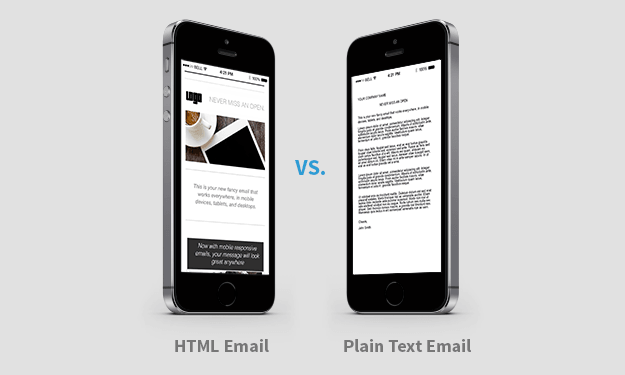


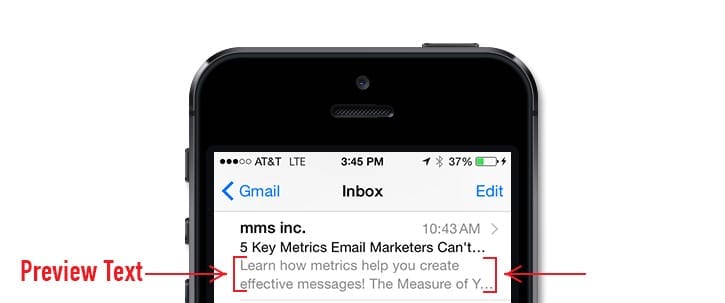







 His name was Bill Gates and he went on to invent some of the most important software for personal computers (ever hear of Windows?) and of course founded Microsoft – now he’s one of the richest men in the entire world.
 His name was Albert Einstein and I’m guessing you’ve heard of him too. Like Bill Gates, Einstein also pursued his own path in life — one which the rest of the world didn’t think much of — and like Mr. Gates, Einstein also changed the world.






 That Helpful Dad