Hey there, it’s Mike, That Helpful Dad, and I’m glad you stopped by again.
You know, in this journey of living a “Legacy Life” — where we focus on being better husbands, fathers, and friends—it’s easy to get caught up in the daily grind. The demands of work, family, and personal improvement can leave you feeling drained. I’ve been there. You hit that mid-afternoon wall, and the temptation to grab a sugary coffee or a chemical-laden energy drink is real. But if you’re anything like me, you know that those quick fixes often lead to a crash, bloating, and that general feeling of regret. They don’t support the long-term goals we’re working so hard to achieve.
That’s why I’ve been a big fan of the Naked brand for a while now. They’re all about no-nonsense products with clean ingredients that you can actually understand. No BS, just real-world solutions that I can personally verify work. I’ve talked about their collagen creamer before and how it’s become a staple in my routine. So when I heard they were launching a new product—Naked Sparkling Energy—I had to get my hands on it. I wanted to see if it held up to the high standards the brand has set and if it was something I could honestly recommend to you.
Spoiler alert: it’s a game-changer.
Naked Sparkling Energy: My First Impressions
When the cans arrived, the first thing I noticed was the clean, simple design. No flashy colors or aggressive marketing slogans promising to make you a superhero. Just a simple, crisp can that looks as clean as the ingredients inside. The specific flavor I got to try was Lemonade, and let’s just say, the first sip was pure refreshment. It’s light, crisp, and has a natural lemon flavor without the syrupy sweetness you find in so many other drinks. It’s exactly what I’d expect from a brand that prides itself on being transparent.
This isn’t your average energy drink. It’s a clean, plant-based, and non-GMO product that gives you a genuine energy boost. It’s designed for people who want to feel good about what they’re putting in their bodies while still getting the results they need.
Key Ingredients and Nutritional Profile: What’s Inside Matters
As a guy who is mindful of what he consumes, especially with intermittent fasting and fitness being part of my routine, the ingredient list is the first thing I check. And this is where Naked Sparkling Energy really stands out.
First, let’s talk about the caffeine. It contains 200mg of natural caffeine. Where does it come from? Organic unroasted coffee beans. This is a crucial detail. Unlike synthetic caffeine that can hit you hard and then leave you in a crash, natural caffeine provides a smoother, more sustained lift. It’s like a gentle push, not a violent shove. For me, that means no jitters, no anxious energy, just a clean, focused alertness.
Next up, the sweeteners. Many energy drinks are loaded with artificial sweeteners that can mess with your gut, cause bloating, and just generally make you feel crummy. Others are packed with sugar, which can completely derail your health goals and lead to that dreaded blood sugar spike and subsequent crash. Naked Sparkling Energy is different. It’s sweetened with monk fruit and fermented sugar cane (Reb-M). These are plant-based sweeteners that provide a subtle, delicious taste without the negative side effects. The drink has only 15 calories and 0g of sugar per can. This is a huge win for anyone on a low-carb diet or practicing intermittent fasting like me. It won’t break your fast and it won’t cause that uncomfortable bloating that so many other drinks do.
It also contains organic lemon juice, which not only provides a great flavor but also works with the natural caffeine to offer antioxidants and support better absorption. It’s a simple, effective combination that makes a lot of sense.
Naked Sparkling Energy Potential Benefits: More Than Just an Energy Boost
So, what does all this mean for you? The benefits go beyond just a quick pick-me-up.
Clean, Sustained Energy: This is the big one. The natural caffeine and clean ingredients provide a smooth, lasting lift that helps you stay focused and productive for hours without the classic energy drink crash.
Gut-Friendly: With no artificial sweeteners, sugar, or other hidden ingredients, this drink is easy on your digestive system. It won’t cause the gas, bloating, or discomfort that other products might.
Supports Your Lifestyle: Whether you’re intermittent fasting, following a specific diet, or just trying to eat cleaner, this drink fits right in. Its low-calorie, zero-sugar profile makes it a guilt-free option.
Mental Clarity and Focus: I found that the clean energy helped me not only with physical tasks but with mental ones as well. It gave me the clarity and focus I needed to tackle long work days and new learning challenges.
Why I Liked Naked Sparkling Energy: Putting It to the Test
I don’t just review products; I live with them. I’ve been using this drink for a couple weeks now, and it has earned a spot in my routine. I’ve used it on a few different occasions.
One day, I had a big project at work that required a lot of focus and extra hours. Instead of reaching for a second cup of coffee that would just make me jittery, I grabbed a can of Naked Sparkling Energy. The difference was night and day. I stayed sharp and productive, and when I was done, I didn’t feel that overwhelming exhaustion. It was a smooth transition to winding down for the night.
I’ve also used it as a pre-workout when I felt a little sluggish. It gave me the perfect boost to power through my workout without feeling like my heart was going to beat out of my chest. It’s the kind of energy that helps you push for that extra rep or an extra mile, not the kind that makes you feel frantic.
Ideas on HOW to Use Naked Sparking Energy: Beyond Just for Drinking Straight
While it’s delicious straight from the can, I’m always looking for ways to maximize the products I use. Here are a couple of ideas you can try:
The “Legacy Life” Pre-Workout Mocktail: Mix a can of Naked Sparkling Energy (Lemonade) with a scoop of a clean, unflavored creatine or a BCAAs powder. It gives you the perfect combination of energy and muscle support for your workout.
The Afternoon Reset: Pour a can over a cup of ice with a sprig of fresh mint and a slice of lemon. It feels like a fancy, refreshing drink but with all the functional benefits. It’s a great way to break up the monotony of the afternoon and re-energize your mind.
Ideas on WHEN to Use Naked Sparkling Energy: Finding Your Moment
Pre-Workout: About 30 minutes before you hit the gym or go for a run.
The Mid-Afternoon Slump: When you feel your energy start to dip around 2 or 3 PM.
Mental Marathon: During long work sessions, studying, or any activity that requires sustained focus.
Road Trips: When you need to stay alert and focused on a long drive without stopping for a sugary coffee.
Where to Buy Naked Sparkling Energy
You can find this product on the official Naked Nutrition website. I always recommend going directly to the source to ensure you’re getting the genuine product and to check out any special offers they might have. You can also find their products on major online retailers like Amazon, as well as in select health food stores.
In a world full of over-the-top claims and questionable ingredients, Naked Sparkling Energy is a breath of fresh air. It’s a no-nonsense, clean energy drink that does exactly what it says it will. It gives you a clean, sustained lift without the crash, jitters, or bloating. It fits perfectly into a healthy, active lifestyle and supports the kind of living we’re all striving for.
This is a product I can personally verify works, and it’s something I’m proud to recommend to all of you. It’s not about being perfect; it’s about making better choices, one day at a time. And choosing a clean energy drink that fuels your body and mind in a positive way is a step in the right direction.
Your personal AI health assistant is just a ‘prompt’ away…
Welcome to Article #4 in our AI Tips for Everyday People series! Today we’re exploring how AI can become your 24/7 health companion – from symptom checking to personalized fitness plans and mental health support.
Each tool includes: 🏥 Who it’s best for 🔗 Direct link to try 💬 Ready-to-use prompts
In the ever-evolving world of fitness nutrition, finding products that seamlessly blend health benefits with everyday convenience are always appreciated. I’ve found Naked Nutrition’s Collagen Creamer to be one such product – not only will it enhance your daily coffee or tea while promoting overall wellness, but there’s a lot of other things you can do with it too. In this article I’ll show you how. As a bonus I’ll also give you my new recipe for “Golden Milk” which now includes the Naked Collagen Creamer!
Naked Collagen Creamer is a dairy-free supplement that combines premium collagen peptides with MCT oil powder. Each serving delivers 9 grams of collagen sourced from European pasture-raised cows, aiming to support healthy skin, hair, nails, and joints. Since I like to fast, the addition of MCT oil provides me a quick energy boost, making it a versatile addition to your morning routine.
Key Ingredients and Nutritional Profile
Collagen Peptides: Sourced from grass-fed, pasture-raised cows, these peptides are intended to promote skin elasticity, joint health, and stronger hair and nails.
MCT Oil Powder: Derived from coconut oil, MCTs (Medium-Chain Triglycerides) are known for providing rapid energy and supporting cognitive function.
Natural Vanilla Flavor: Offers a subtle, pleasant taste without the use of artificial sweeteners or additives.
Acacia Fiber: A prebiotic fiber that supports digestive health.
Each 14g serving contains 60 calories, 9g of protein, 1.5g of fat (all saturated), 1g of carbohydrates, and no sugars, making it suitable for various dietary preferences, including gluten-free and soy-free diets.
Here is the label for you to review…
Potential Benefits
Skin, Hair, and Nail Health: Regular intake of collagen peptides may improve skin hydration and elasticity, leading to a more youthful appearance.
Joint Support: Collagen is a key component of cartilage; supplementing it can aid in maintaining joint health, potentially reducing discomfort during workouts.
Energy Boost: MCT oil provides a quick source of energy, which can be particularly beneficial before or after exercise.
Note: Always consult with a healthcare professional before adding new supplements to your diet, especially if you have underlying health conditions or are pregnant or nursing.
Naked Collagen Creamer – Why I Liked It
What stood out to me most about the Naked Collagen Creamer is its simplicity and clean ingredient list. It’s refreshing to find a product that delivers on health benefits without relying on artificial flavors, fillers, or sweeteners. The subtle vanilla flavor is just right—it enhances my morning coffee or tea without overpowering it.
Another win? Its versatility. Whether I’m in a rush and need a quick nutrient boost or want to experiment in the kitchen, this creamer fits seamlessly into my routine – it’s extremely versatile.
Naked Collagen Creamer – Ideas for How to Use It
While coffee and tea are the obvious go-to choices for mixing the creamer, there are plenty of other creative ways to enjoy it:
Smoothie Upgrade: Blend it with almond milk, frozen banana, and a dash of cinnamon for a creamy breakfast smoothie.
Baking: Add it to pancake batter or energy bites for a protein and collagen boost.
Overnight Oats: Stir it into your oats along with some almond butter for a delicious and nutritious start to your day.
Whipped Drinks: Dissolve it in hot water and whisk it with frothy almond milk for a luxurious latte experience.
BONUS: Golden Milk with Naked Collagen Creamer
Golden Milk, also known as turmeric latte, is a comforting, anti-inflammatory beverage that’s perfect for winding down in the evening or as a cozy pick-me-up. By adding Naked Collagen Creamer, you canboost its nutritional value with collagen peptides and MCT oil for joint, skin, and energy benefits.
Golden Milk Recipe:
1 cup unsweetened almond milk (or your favorite milk alternative)
1/2 tsp ground turmeric
1/4 tsp ground cinnamon
1/8 tsp ground ginger (optional, for extra warmth and spice)
Pinch of black pepper (enhances turmeric’s bioavailability)
1 tsp honey or maple syrup (optional, for sweetness)
1/4 tsp vanilla extract (optional, for a richer flavor)
Golden Milk Recipe Instructions:
Heat the Milk: In a small saucepan, gently heat the almond milk over medium heat until warm but not boiling.
Mix the Spices: Whisk in the turmeric, cinnamon, ginger, and black pepper. Stir well to ensure the spices are evenly distributed.
Add Naked Collagen Creamer: Once the milk is warm, add one scoop of Naked Collagen Creamer. Stir until it dissolves completely.
Sweeten (Optional): Add honey or maple syrup to taste, along with the vanilla extract if desired. Stir well.
Blend for Froth (Optional): For a creamier, frothy texture, transfer the mixture to a blender and blend for 20–30 seconds.
Serve: Pour into your favorite mug and enjoy while it’s warm. You can sprinkle a pinch of cinnamon on top for garnish.
Why You’ll Love It:
This Golden Milk recipe combines the potential anti-inflammatory properties of turmeric with the nourishing benefits of collagen and MCT oil. It’s a perfect way to relax while supporting your skin, joints, and digestion.
Enjoy this delightful blend as part of your nighttime ritual or an afternoon treat!
Why Trust Me?
Regular readers of my blog know I’m into all things healthy. Being over 50, I strive to live the 50+ Fitness lifestyle and as such not only do I regularly work out, but I also enjoy tracking everything I eat and drink. I hope me sharing my experiences with you will be helpful. If you read my blog, you’ve probably read my Trust Guarantee so you know I don’t endorse a company unless I use their products myself. When I recommend Naked Oats to you it’s because I have seen the results for myself – therefore I feel good about telling you to check it out too. I hope you find as much value from the product as my family and I do.
My Conclusion
Naked Nutrition’s Vanilla Collagen Creamer offers a convenient and tasty way to incorporate the benefits of collagen and MCT oil into your daily routine. Its clean ingredient list and health-focused formulation make it a noteworthy addition to the wellness regimens of fitness enthusiasts and health-conscious individuals alike.
Where to Buy
Naked Collagen Creamer is available for purchase on Amazon and through Naked Nutrition’s official website.
I’ve written multiple times about how creating a successful morning routine can significantly impact your productivity, mood, and overall well-being. The key to a successful morning is a combination of thoughtful planning, discipline, and positive habits that set the tone for the rest of your day. Here’s a comprehensive guide with specific ideas and examples to help you craft a morning routine that leads to a successful day.
1. The Importance of a Morning Routine
A well-structured morning routine helps you start your day on the right foot, reduces stress, and increases productivity. By establishing a set of habits that you follow every morning, you can create a sense of stability and control over your day. Moreover, a morning routine can enhance your mental and physical health, setting a positive tone that carries throughout the day.
2. The Night Before: Preparation is Key
A successful morning starts the night before. Preparing for the next day can significantly reduce morning chaos and decision fatigue.
Plan Your Day: Spend a few minutes each evening reviewing your schedule for the next day. Make a to-do list prioritizing the most important tasks. This helps you wake up with a clear sense of purpose.
Set Out Clothes: Choose and lay out your outfit for the next day. This simple step can save you time and reduce stress in the morning.
Prepare Your Breakfast: If you have a busy schedule, consider preparing breakfast the night before. Overnight oats or pre-made smoothies are excellent options.
Limit Screen Time: Avoid screens at least an hour before bed to ensure a good night’s sleep. The blue light from devices can interfere with your sleep quality.
3. Wake Up Early
Waking up early gives you a head start. It allows you to have some quiet time before the demands of the day begin. Aim to wake up at least an hour before you need to start your day.
Consistent Wake-Up Time: Try to wake up at the same time every day, even on weekends. This helps regulate your body’s internal clock.
Gradual Wake-Up: Consider using a sunrise alarm clock that gradually increases light, simulating a natural sunrise to wake you up gently.
4. Hydrate First Thing
Rehydrate your body after hours of sleep. Drinking a glass of water in the morning kickstarts your metabolism and helps your body wake up.
Add Lemon: Did you know? Adding a slice of lemon to your water can enhance flavor and provide a boost of vitamin C, aiding your immune system.
Keep Water by Your Bed: Place a glass of water on your nightstand so you can hydrate immediately upon waking up.
5. Practice Mindfulness or Meditation
Starting your day with mindfulness can reduce stress and improve focus. Meditation, deep breathing exercises, or a few minutes of quiet reflection can help you set a positive tone for the day.
Guided Meditation Apps: Apps like Headspace or Calm offer guided meditations tailored to different needs and time frames.
Deep Breathing Exercises: Practice deep breathing exercises for a few minutes. Inhale deeply through your nose, hold for a few seconds, and exhale slowly through your mouth.
6. Move Your Body
Physical activity in the morning can boost your energy levels and mood. It doesn’t have to be a full workout; even gentle stretching or a short walk can be beneficial.
Morning Yoga: Yoga can be a gentle way to wake up your body and mind. There are many online resources and apps with routines tailored for the morning. Track Yoga app is a great tool here.
Short Workouts: If time allows, a 20-30 minute workout can significantly boost your energy levels. Consider activities like jogging, cycling, or a quick HIIT session.
Stretching Routine: A 5-10 minute stretching routine can improve flexibility and reduce tension.
7. Healthy Breakfast
A nutritious breakfast fuels your body and brain. Aim for a balanced meal with protein, healthy fats, and whole grains.
Quick and Nutritious Options:
Greek yogurt with nuts and berries.
Whole grain toast with avocado and a poached egg.
A smoothie with spinach, banana, almond milk, and protein powder.
Overnight Preparations: Prepare overnight oats or chia pudding the night before for a quick grab-and-go option.
For those who like to practice Intermittent Fasting like myself, consider my Cinnabutter Coffee tip.
8. Personal Development
Allocate time for personal growth. This could involve reading, journaling, or learning something new.
Reading: Spend 10-20 minutes reading a book that inspires or educates you.
Journaling: Reflect on your goals, express gratitude, or simply jot down your thoughts. Journaling can clarify your mind and set a positive intention for the day.
My “AM Journals” are kept in an online Google Doc and I usually end up with 200+ pages a year of journal notes – when I look back and review it provides so many insights that I can actively use to improve my life.
Skill Development: Use this time to learn something new, like practicing a language on Duolingo or taking a short online course.
9. Plan and Review Your Day
Take a few minutes to review your day’s schedule and prioritize tasks. This helps you focus on what’s important and avoid feeling overwhelmed.
Top 3 Priorities: Identify your top three priorities for the day and focus on completing them first. I like using Tim Ferriss’ “Three to Thrive” method.
Time Blocking: Allocate specific time slots for different tasks to ensure you stay on track.
10. Positive Affirmations
Starting your day with positive affirmations can boost your confidence and mindset. Affirmations are simple, positive statements that you repeat to yourself.
Examples of Affirmations:
“I am capable and strong.”
“Today is going to be a productive day.”
“I am grateful for the opportunities this day brings.”
Creating Your Own: Tailor affirmations to your personal goals and needs.
Minimize distractions to maintain your morning routine’s effectiveness. This can include reducing screen time and setting boundaries.
No Phone Zone: Avoid checking your phone immediately upon waking up. Emails and social media can wait until you’ve completed your morning routine.
Focus on the Present: Concentrate on each activity in your routine rather than multitasking. Mindfulness in your morning tasks can set a calm tone for the day.
12. Consistency and Flexibility
Consistency is crucial for establishing a successful morning routine. However, it’s also important to be flexible and adapt when necessary.
Stick to the Plan: Try to follow your routine every day, even on weekends. This helps reinforce the habits you’re building.
Adapt When Needed: Life is unpredictable, and sometimes you’ll need to adjust your routine. Don’t be too rigid; adapt and move forward.
Example Morning Routine
Here’s an example of a morning routine incorporating the elements discussed:
6:00 AM – Wake Up: Get out of bed and drink a glass of water with lemon.
6:05 AM – Mindfulness: Spend 10 minutes meditating using a guided app.
6:15 AM – Exercise: Do a 20-minute yoga session or a quick workout.
6:35 AM – Shower and Get Ready: Refresh and dress for the day.
6:50 AM – Breakfast: Enjoy a healthy meal, such as Greek yogurt with fruits and nuts.
7:10 AM – Personal Development: Read a book or journal for 15 minutes.
7:25 AM – Plan Your Day: Review your schedule and set your top three priorities.
7:35 AM – Positive Affirmations: Spend a few minutes reciting affirmations.
7:40 AM – Start Your Day: Begin your first task of the day with focus and clarity.
Tips for Success
Start Small: If creating a full morning routine feels overwhelming, start with one or two habits and gradually add more.
Be Patient: Building a new routine takes time. Be patient with yourself and allow for adjustments as needed.
Reflect and Adjust: Regularly reflect on what’s working and what isn’t. Adjust your routine to better fit your needs and lifestyle.
Give the Morning Routine a try today.
Crafting a successful morning routine involves thoughtful planning, consistent practice, and a willingness to adapt. By incorporating hydration, mindfulness, physical activity, a healthy breakfast, personal development, and planning into your morning, you set a positive tone for the rest of your day. Remember, the key to success is consistency, but also being flexible enough to adapt when life gets in the way. Start small, be patient, and enjoy the benefits of a well-structured morning routine.
Are you familiar with Ashwagandha? If not, you might want to learn about it – especially if you or someone in your family is having challenges with maintaining a positive mental outlook. In this article we’ll explore the basics about Ashwagandha and learn about its mental health benefits – including a story from my family about how it helped our teenage son. Links to learn more are provided. I’ll also give you a list of some of the specific Ashwagandha supplements we’ve been using in our family if you want to check the out for yourself.
What is Ashwagandha?
Ashwagandha is a revered herb in traditional Indian medicine and has been used for centuries to promote overall health and longevity. Also known as Withania somnifera or Indian ginseng, Ashwagandha is a cornerstone of Ayurveda, the ancient system of medicine from India. In recent years, it has garnered significant attention in the scientific community, particularly for its potential benefits in combating depression and enhancing mental health. This article delves into the properties of Ashwagandha, its historical use, and its modern-day applications, focusing on its role in mental health and depression management.
Historical Context and Traditional Use
Ashwagandha’s roots can be traced back over 3,000 years, where it was used to rejuvenate and enhance vitality. In Sanskrit, “Ashwagandha” means “smell of the horse,” suggesting that the herb imparts the vigor and strength of a horse. It has been traditionally used to treat a myriad of conditions, from physical fatigue and weakness to psychological disorders such as anxiety and insomnia.
The herb is classified as an adaptogen, a natural substance that helps the body adapt to stress.
Adaptogens are known to stabilize physiological processes and promote homeostasis, making them effective in managing stress-related conditions.
Ashwagandha’s adaptogenic properties have made it a popular remedy in modern herbal medicine, particularly for its purported benefits on mental health.
Chemical Composition and Mechanisms of Action
Ashwagandha contains several bioactive compounds, including withanolides, alkaloids, choline, fatty acids, amino acids, and a variety of sugars. The withanolides, particularly withaferin A and withanolide D, are considered the primary active compounds responsible for its medicinal properties. These compounds exhibit a range of pharmacological activities, including anti-inflammatory, anti-tumor, anti-stress, antioxidant, immunomodulatory, and neuroprotective effects.
The herb’s impact on mental health is thought to stem from its ability to modulate the hypothalamic-pituitary-adrenal (HPA) axis and balance cortisol levels, which play a crucial role in the body’s response to stress. By regulating the HPA axis, Ashwagandha helps reduce the levels of cortisol, the primary stress hormone, thereby mitigating stress and its associated symptoms.
Ashwagandha and Depression
Depression is a complex mental health disorder characterized by persistent sadness, loss of interest in activities, and a range of emotional and physical problems. It can result from various factors, including genetic predisposition, biochemical imbalances, and environmental influences. Traditional treatments for depression often include psychotherapy and pharmacotherapy, but these are not always effective for all patients and can come with significant side effects.
Ashwagandha offers a promising complementary approach to traditional treatments. Several studies have explored its antidepressant effects, with findings suggesting that it can effectively alleviate symptoms of depression.
Scientific Evidence
Reduction of Cortisol Levels: Chronic stress and elevated cortisol levels are strongly linked to depression. A study published in the “Journal of Clinical Psychiatry” found that Ashwagandha supplementation significantly reduced cortisol levels in chronically stressed adults. This reduction in cortisol was associated with a significant decrease in symptoms of depression and anxiety.
Neurotransmitter Modulation: Ashwagandha has been shown to influence the levels of neurotransmitters in the brain, including serotonin and gamma-aminobutyric acid (GABA). Serotonin is often referred to as the “feel-good” neurotransmitter, and its imbalance is a well-known contributor to depression. GABA, on the other hand, has a calming effect on the nervous system. By modulating these neurotransmitters, Ashwagandha can help improve mood and reduce anxiety.
Neuroprotective Effects: Oxidative stress and inflammation are known to play a role in the pathophysiology of depression. Ashwagandha’s antioxidant properties help protect the brain from oxidative damage, while its anti-inflammatory effects further contribute to its antidepressant benefits. A study in the “Journal of Ethnopharmacology” demonstrated that Ashwagandha reduced oxidative stress markers and inflammation in animal models, leading to improved mood and cognitive function.
Enhancing Sleep Quality: Poor sleep quality is both a symptom and a contributing factor to depression. Ashwagandha has been traditionally used to promote restful sleep. Clinical trials have shown that it can improve sleep quality and reduce insomnia, which can have a significant positive impact on mood and overall mental health.
Ashwagandha and Anxiety
Anxiety often coexists with depression, and managing it is crucial for overall mental health. Ashwagandha’s anxiolytic (anxiety-reducing) properties further enhance its potential as a holistic treatment for mental health issues.
Scientific Evidence
Stress and Anxiety Reduction: A double-blind, placebo-controlled study published in the “Indian Journal of Psychological Medicine” evaluated the effects of Ashwagandha on stress and anxiety. The study involved 64 subjects with a history of chronic stress. The group that received Ashwagandha reported a significant reduction in stress and anxiety levels compared to the placebo group. The reduction in stress was also associated with improved overall well-being and quality of life.
Comparative Studies with Conventional Anxiolytics: Another study compared the efficacy of Ashwagandha with that of a common anxiolytic drug, lorazepam. The findings indicated that Ashwagandha was equally effective in reducing anxiety, with the added benefit of fewer side effects. This suggests that Ashwagandha could be a viable alternative for those who experience adverse effects from conventional medications.
Adaptogenic Benefits: By acting as an adaptogen, Ashwagandha enhances the body’s resilience to stress, which is a significant factor in the development of anxiety. Regular use of Ashwagandha has been shown to improve the body’s stress response, thereby reducing the likelihood of anxiety disorders developing in response to chronic stress.
Ashwagandha Supplementation
Dosage and Side Effects
The therapeutic dosage of Ashwagandha can vary depending on the form of the supplement and the specific health condition being targeted.
It’s important to include a discussion with your medical provider BEFORE taking any supplements like this.
Common dosages range from 300 to 600 mg of standardized Ashwagandha extract taken once or twice daily seem to be the norm. It is essential to choose high-quality supplements from reputable manufacturers to ensure safety and efficacy.
Ashwagandha is generally considered safe for most people when taken in recommended doses. However, some individuals may experience mild side effects such as gastrointestinal upset, headaches, or drowsiness. You really need to consult a healthcare provider before starting any new supplement, especially for pregnant or breastfeeding women, individuals with autoimmune diseases, or those taking other medications.
Integrating Ashwagandha into Mental Health Regimens
Given its multifaceted benefits, Ashwagandha can be considered for integration into a broader mental health regimen to support emotional well-being and combat depression. Here are some strategies for incorporating Ashwagandha into daily life:
Supplementation: Taking Ashwagandha supplements in the form of capsules, tablets, or tinctures is a convenient way to ensure consistent intake. It is important to follow the dosage recommendations provided by the manufacturer or healthcare provider.
Herbal Teas: Ashwagandha root powder can be used to make herbal teas. Combining it with other calming herbs such as chamomile or lavender can enhance its relaxing effects and promote better sleep.
Functional Foods: Adding Ashwagandha powder to smoothies, soups, or other foods is an easy way to incorporate it into the diet. This approach can be particularly beneficial for those who prefer not to take capsules or tablets.
Ayurvedic Practices: Integrating Ashwagandha with other Ayurvedic practices such as yoga, meditation, and a balanced diet can amplify its benefits. Ayurveda emphasizes a holistic approach to health, and combining these practices can support overall mental and physical well-being.
How Ashwagandha Helped My Family
Our teenage son was always a happy kid growing up with lots of friends and never any behavioral problems. Unfortunately middle school was particularly challenging for him – and it didn’t help matters that middle school for him was impacted by Covid (and the associated lockdowns and facemask craziness), nor that he changed schools mid-year in 7th grade (to escape said facemask insanity). He battled depression and anxiety during his middle school years. We worked with various mental health professionals to try to help him.
We were lucky enough to have him complete a comprehensive neuropsychological and educational evaluation. As a result of those tests we learned a few things – first it was discovered that he has ‘superior intelligence’ (1 point shy of ‘genius’). We also gained a better understanding of his psychological profile and learned numerous strategies to help him better understand himself and his individual mental health triggers.
Knowing the terrible side effects and questionable efficacy of pharmaceutical medicines for depression and anxiety, we were averse to getting our son dependent on long-term drug therapy. Thankfully we had mental health professionals who were able to suggest alternative therapies to help him – including counseling, cbt therapy, physical exercise, and various herbal supplements – including ashwagandha.
Over time lots of things helped our son – including the counseling and cbt therapy, but among everything the two most ‘efficacious’ over the long run have been physical exercise and ashwagandha.
The good news is that our son is now in high school and doing fantastic in school, friendships, and life. We’re grateful for all those who helped him and we’re also grateful that we worked with mental health providers who didn’t push pharmaceuticals as the ‘only way’ and instead suggested ashwagandha. I realize our story is only a sample size of ‘1’ but if you do a bit of research you’ll see our success story is only one among MANY. I hope that by sharing, this info may help you too.
As a side note, I tried ashwagandha myself – both for its mental health and physical fitness benefits. And guess what? It helped me too! When i take ashwagandha I noticed a slight increase in positive mood/demeanor and a bit of energy boost for my workouts. I like using ashwagandha powder in my shakes and smoothies or mixing it with my pre-workout drink. It’s good stuff!
Links to learn more:
Here are five scholarly articles that support the benefits of Ashwagandha, particularly in relation to mental health and combating depression:
“Ashwagandha (Withania somnifera)—Current Research on the Health-Promoting Activities: A Narrative Review” – MDPI
“Ashwagandha in brain disorders: A review of recent developments” – ScienceDirect
“Efficacy and Safety of Ashwagandha Root Extract on Cognitive Functions in Healthy, Stressed Adults: A Randomized, Double-Blind, Placebo-Controlled Study” – Hindawi
“Proven Health Benefits of Ashwagandha” – Healthline
Is Ashwagandha Right for You?
Ashwagandha’s potential in supporting mental health and combating depression is supported by both traditional use and modern scientific research. Its ability to reduce cortisol levels, modulate neurotransmitters, protect against oxidative stress, and improve sleep quality makes it a valuable ally in the fight against depression and anxiety. It may be something to consider if you or someone in your family is battling mental health challenges.
While Ashwagandha should not be seen as a standalone treatment for severe mental health disorders, it can be a powerful complementary therapy. Integrating Ashwagandha into a comprehensive mental health strategy that includes conventional treatments, lifestyle modifications, and other holistic practices can provide a balanced approach to managing depression and enhancing overall well-being.
As research continues to uncover the full extent of Ashwagandha’s benefits, this ancient herb remains a promising natural remedy for modern mental health challenges. With its rich history and growing body of scientific support, Ashwagandha stands out as a beacon of hope for those seeking natural ways to improve their mental health and quality of life.
Ashawganda supplements to consider:
Consult your healthcare professional before adding any of these to your regimen. If you have done that and you feel ashwaganda supplements are right for you, check out these products…
Himalaya Organic Ashwagandha Caplets – this is the one my son uses. He takes 1 caplet a day before school days and it’s really helped. I really like the SMALL tablets this brand offers.
Sciatica, characterized by radiating pain along the sciatic nerve, can be debilitating, affecting one’s ability to move and perform daily tasks – believe me I know. In this article I tell you more about Sciatica, how my own pain started, how I later used a massage gun to relieve it completely, and what type of massage gun I used.
Disclaimer: If you have underlying health conditions or concerns about using a massage gun, consult with a healthcare professional before incorporating it into your treatment plan.
What is Sciatica?
Before delving into my story or how massage guns can help alleviate sciatica pain, it’s crucial to understand the condition itself. Sciatica occurs when the sciatic nerve, which runs from the lower back down the back of each leg, becomes compressed or irritated. This compression can result from various factors, including a herniated disc, spinal stenosis, muscle spasm, or in my case a constant pressure on the nerve over time. The hallmark symptom of sciatica is pain that radiates from the lower back through the buttocks and down the leg, often accompanied by tingling or numbness. For me it was a debilitating pain all along the outside of my right leg.
How did I get sciatica?
I drive a lot for work and my company vehicle has a driver’s seat with ‘wings’ on the side – specifically the sides of the seat are raised about 2 inches as you can see here….
I’m not sure what the benefit of that is supposed to be but I can tell you about the negative – it pinches the outside of your thighs and glutes and over time it led to intense sciatic pain! I tried moving my legs around, using ice, stretching, doing a bunch of exercises for sciatica from vids online, etc – nothing was working. Eventually I got a seat cushion to level out the seat, and while that helped eliminate the problem going forward, I still had the pain that was already there. Iced helped but only temporary and the pain remained. Until eventually I tried my wife’s massage gun – and that’s what finally did the trick!
What is a Massage Gun?
While traditional treatments like medication, physical therapy, and surgery exist, there’s a growing interest in alternative therapies such as massage guns. These handheld devices, once primarily used by athletes, are gaining recognition for their ability to provide targeted relief for pain.
How do they work? Massage guns, also known as percussion massagers or percussive therapy devices, utilize rapid pulses of pressure to target specific areas of the body. These devices typically feature a vibrating or percussive mechanism that delivers high-frequency pulses deep into the muscle tissue. The rapid oscillations help relax tight muscles, improve blood flow, and reduce inflammation, ultimately relieving tension and discomfort.
Benefits of Massage Guns for Sciatica Pain Relief:
Targeted Muscle Relief: One of the primary benefits of massage guns is their ability to target specific muscle groups affected by sciatica. By applying concentrated pressure to the affected area, massage guns can help release tension and reduce muscle tightness, providing relief from sciatic nerve compression. This was a major benefit for me!
Increased Blood Flow: Proper blood circulation is essential for healing injured tissues and reducing inflammation. Massage guns stimulate blood flow to the affected area, promoting the delivery of oxygen and nutrients while flushing out toxins and metabolic waste products. This improved circulation can expedite the healing process and alleviate sciatica symptoms.
Reduced Inflammation: Inflammation plays a significant role in exacerbating sciatica pain. Massage guns help reduce inflammation by breaking up adhesions and scar tissue, loosening tight muscles, and facilitating lymphatic drainage. By addressing the underlying inflammatory response, massage guns can provide long-lasting relief from sciatic nerve discomfort.
Improved Range of Motion: Sciatica often limits mobility, making it challenging to perform everyday activities. Regular use of massage guns can help improve flexibility and range of motion by loosening stiff muscles and promoting joint mobility. By restoring proper movement patterns, massage guns empower individuals with sciatica to engage in activities they enjoy without fear of exacerbating their symptoms. Another winner for me – the massage gun gave me the ability to walk normally again.
Drug-Free Pain Management: Unlike medications that may carry side effects or dependency risks, massage guns offer a natural, drug-free alternative for managing sciatica pain. By harnessing the body’s innate healing mechanisms, massage therapy can provide sustainable relief without the need for pharmaceutical interventions.
Tips for Using Massage Guns Safely and Effectively:
While massage guns can be highly effective in relieving sciatica pain, it’s essential to use them safely to avoid exacerbating existing conditions or causing further injury. Here are some tips for using massage guns safely and effectively:
Start Slowly: Begin with the lowest intensity setting and gradually increase the pressure as tolerated. Avoid applying excessive force, especially in areas of acute pain or inflammation.
Focus on Trigger Points: Target trigger points or tender areas along the sciatic nerve pathway, including the lower back, buttocks, and outer thigh. Spend extra time on areas of tension or discomfort to facilitate muscle relaxation.
Use Proper Technique: Maintain proper posture and positioning while using the massage gun to ensure optimal results. Keep the device perpendicular to the skin and move it in slow, circular motions, paying attention to any areas of tightness or restriction.
Stay Hydrated: Drinking plenty of water before and after using a massage gun can help flush out toxins released during the massage and prevent dehydration. Proper hydration is essential for supporting muscle recovery and reducing soreness.
Consult a Healthcare Professional: If you have underlying health conditions or concerns about using a massage gun, consult with a healthcare professional before incorporating it into your treatment plan. They can provide personalized guidance based on your individual needs and medical history.
Conclusion:
Massage guns offer a promising approach to managing sciatica pain by providing targeted relief, improving circulation, reducing inflammation, and promoting muscle relaxation. It definitely worked for me as I am now pain free.
When used safely and effectively, these handheld devices can complement traditional treatment modalities and empower individuals with sciatica to take control of their pain management. However, it’s prudent to realize that you should use massage therapy as part of a comprehensive treatment plan under the guidance of a healthcare professional. With proper care and attention, massage guns have the potential to make a significant difference in the lives of those suffering from sciatica. I hope it can help you too!
Today, we’re diving into the world of workout supplements tailored specifically for men over 50 like me. Whether you’re aiming to build muscle, improve endurance, or simply enhance your overall health, incorporating the right supplements into your routine can make all the difference. Let’s explore some top-rated workout supplements that will supercharge your fitness journey and have you feeling stronger and more energized than ever before. I’ll also provide links to find the products on Amazon.
Editor’s Note: Hi, I’m Mike – I founded That Helpful Dad on YouTube back in 2011 because I got tired of not being able to find trustworthy product reviews online. So I started doing my own. My goal was to provide a resource that would help other families know what family products were good and what weren’t so hot. We’ve reviewed tons of products over the years and shared countless helpful tips. We’ll continue to do so because our mission remains the same – be a trusted adviser to our readers and friends – like YOU.
Disclaimer: I am not a doctor and not telling you what you should/should not put into your body. This article is an example of what *I* do. Every person is different. I trust you will make the best decision for your body and I recommend you consult with your health care professional for additional guidance before using any of of the supplements on this list.
1. Protein Power:
First up, let’s talk protein. As we age, there are many benefits to maintaining muscle mass, and protein is the cornerstone of muscle repair and growth. That’s where Optimum Nutrition Gold Standard 100% Whey Protein comes in. I’ve been using this product for about 20 years now and of all the protein powders I’ve tried over the years “ON” has always been my favorite. With its blend of whey protein isolate and peptides, and a wide variety of flavors to choose from, plus very few carbs, this powerhouse supplement supports muscle recovery and growth, ensuring you stay strong and resilient as you crush your workouts.
2. Multivitamin Magic:
Next on our list is Garden of Life Multivitamin for Men 50 & Over. We all know that a balanced diet is essential for overall health, but sometimes we need a little extra boost to ensure we’re getting all the nutrients we need, especially as we age. This multivitamin is specifically formulated to meet the unique nutritional needs of men over 50, providing a blend of vitamins, minerals, and antioxidants derived from whole foods. It’s a comprehensive men’s multivitamins formulated to meet the unique needs of men in their 50s & beyond; 100% DV of 18 minerals and vitamins for men like vitamin A, C, D, K, B Complex & Zinc—plus Lycopene, Boron, Vanadium & CoQ10. Say hello to vitality and goodbye to those pesky nutrient deficiencies!
3. Fish Oil Fuel:
Now, let’s talk about heart health and joint support with Nordic Naturals Ultimate Omega SoftGels. Omega-3 fatty acids are like fuel for your body, supporting everything from cardiovascular function to brain health. I’m sure you know that research shows that the essential fatty acids EPA & DHA in fish oil support heart, brain, eye & immune health. Omega-3s may also help support a healthy mood. The Nordic Naturals Ultimate Omega features high concentration omega-3 fish oil and their formula meets the daily recommended dose suggested by the American Heart Association to support a healthy heart. I like the fact that Nordic’s omega-3 fish oil concentrates are in the triglyceride molecular form (the form naturally found in fish) for optimal absorption. As a bonus, Nordic’s Ultimate Omega has a great lemon taste, it’s non-GMO, gluten- & dairy-free ingredients with no artificial colors, flavors, or preservatives. These softgels deliver high-potency omega-3s sourced from wild-caught fish, ensuring you stay sharp, focused, and agile as you tackle your workouts and conquer your day.
4. Creatine Charge:
Looking to boost your strength, power, and muscle endurance? Look no further than BulkSupplements Creatine Monohydrate Powder. There’s no need to spend more money on high priced creatine supplements when it’s been shown time and again that good old ‘mono creatine’ works just as well if not better than the fancy versions of creatine. The bottom line is that creatine is a powerhouse supplement that plays a crucial role in energy production during high-intensity exercise. It’s also been shown by research to be one of the safest supplements to use. I’ve been using creatine on and off for over 25 years and it’s been a staple of my program. Bulk Supplements’ version is micronized powder mixes easily into water or shakes, providing pure creatine to fuel your workouts and help you reach new heights of strength and performance.
5. Collagen Connection:
Last but not least, let’s talk about collagen peptides. Vital Proteins Collagen Peptides are like the fountain of youth for your joints, skin, and connective tissues. Sourced from grass-fed, pasture-raised bovine hides, these peptides provide a convenient way to support joint health and promote skin elasticity as you age gracefully and maintain your active lifestyle. Personally I like the unflavored version best because it’s the most versatile to put into shakes, etc, but the vanilla and chocolate are also great choices if you wanna put some in your morning coffee.
Conclusion:
And there you have it, folks – the top workout supplements for men over 50 in my opinion and all of these are available on Amazon. Whether you’re aiming to build muscle, improve endurance, or simply support your overall health and vitality, these supplements have got you covered. So what are you waiting for? Stock up on your favorites, hit the gym, and unleash your inner beast. Your fittest, strongest self is waiting – let’s make it happen!
When the company Naked Nutrition recently contacted me to review another one of their supplements, I was happy to help. I’ve worked with them in the past and appreciate the company’s focus on using pure ingredients vs marketing hype, so I was excited to try Naked Oats + Whey. What follows is my review and some ideas for how to get the most use out of this versatile product from Naked Nutrition.
Why Listen to Me?
Regular readers of my blog know I’m into all things healthy. Being over 50, I strive to live the 50+ Fitness lifestyle and as such not only do I regularly work out, but I also enjoy tracking everything I eat and drink. I hope me sharing my experiences with you will be helpful.
Naked Oats + Whey – What’s inside?
Naked Oats is basically a whey protein powder that’s combined with rolled oats. The oats used here are gluten free and the product itself is GMO Free and Soy Free. With 20 grams of protein and 40 carbs at 270 calories, the product also boasts a high quality Amino Acid profile (17 Amino Acids) – making it a powerful muscle building supplement when combined with your fitness routine.
Why I Like Naked Oats
In my opinion, Naked Oats is a great way to get a super food combo of two of the most common building block foods in your fitness program. Having them combined into one product makes it convenient and easy to get an energizing protein + healthy carb fix to prep you for your day and/or your workout. I find it to be a time saving product that fits in well with my routine.
How am I using Naked Oats?
My teenage son and I are both into working out and eating healthy. He and I have been using Naked Oats for about a month now and we’ve come up with a few ways of using the product.
Simple Protein Oat Drink for Breakfast – as part of his balanced breakfast, my son has taken a liking to mixing a scoop of Naked Oats with 8 oz of milk in the morning. The product mixes easily with just a few stirs of a fork in the milk and it gives him a great boost to his school day.
PreWorkout Boost – Me – I like mixing mine with water to save on the calories and just taking a quick drink of it about an hour before my workout so I have the protein ready for building muscle and the oats for the carb energy for the exercise routine.
A Key Ingredient in your Favorite Shake – if my son or I are making a ‘big shake’ in the Nutribullet, we love to add in a scoop of Naked Oats to the mix. My fav shake is Optimum Nutrition Gold Standard Whey + Banana + Naked Oats + Flaxseed + Kirkland Peanut Butter + Almond Milk. Sometimes I’ll add in some frozen coconut, other times I’ll skip the banana and peanut butter and add in frozen mango and/or frozen blueberries. As for Jax, he’s all about bulking at his age so he up’s the calories with two scoops of fun.
Post Workout Meal or Night time snack – my son Jax has come up with a version of a recipe from a fellow YouTuber where he makes a tasty little snack by mixing up 1 scoop of Naked Oats + 1 TB of Maple Syrup + 1 TB of Peanut Butter + 1 TB of Chocolate Chips. It’s addictive!
However you mix it, Naked Oats fits in well and it blends easily – AND IT TASTES GREAT!
How to Buy Naked Oats + Whey
You can find the product most easily by visiting Naked Nutrition’s website and visiting this page:
If you read my blog, you’ve probably read my Trust Guarantee so you know I don’t endorse a company unless I use their products myself. When I recommend Naked Oats to you it’s because I have seen the results for myself – therefore I feel good about telling you to check it out too. I hope you find as much value from the product as my family and I do.
I’ve been a practitioner of the Intermittent Fasting lifestyle for about 7 years now and I can honestly say that this ‘diet’ has changed my life in many positive ways. I’ve written about the benefits of Intermittent Fasting on this blog numerous times in the past and today I’d like to share more of my Intermittent Fasting Results with you – providing transparency of results for 1 month, 3 months, 6 months, 1 year, 2 years, 3 years and now even 5 Years! After that I stopped counting because it’s just my normal lifestyle now.
(Article originally published 2017, updated Dec 2022 to post 5 years results)
Back in 2017 I realized I had a problem – a ‘growing’ problem: I’m my mid 40’s and for the last few years my waistline has been getting bigger while I’ve been getting tired a lot more. I kind of felt like this…
King of Queens tv show
At first I thought maybe it was Low-T but blood tests confirmed that wasn’t the issue.
Next I turned to my diet – being honest with myself I knew my diet could be improved, so I experimented with various lifestyle changes (vegetarian, paleo, low-carb diet, etc) – unfortunately, nothing felt right.
For my part I just wanted to do the EASIEST kind of intermittent fasting because, to be brutally honest with you, I didn’t really believe that IF would work for me so I was mostly doing it just to say I tried it but not really expecting to stick with it.
Boy am I glad I was wrong!
I chose the 14/10 Intermittent Fasting schedule to get started – basically what that means is that I didn’t eat for 14 hours and then ate all my food in a 10 hour window.
What does that look like in real life?
Basically my plan was to stop eating around 6pm (dinner) and then not eat again until 8am the next day. That boils down to simply skipping late night snacks.
Now while that may not sound that hard to you, I didn’t think I could do it. After all, I love having some snacks and a beer or two while watching a ball game with friends or Netflix with my wife.
Furthermore the idea of not eating anything for 10 hours was really scary!
As someone who’s battled low blood sugar and ‘hanger’ issues all my life, I thought there was absolutely no way I’d be able to go that long without eating.
Late night snacks while watching tv? No!
Breakfast in the morning? No!
Can I at least get an egg or something? How about a power bar? A glass of OJ? No, no, and no!
Although I am a big believer in the power of positive thinking and I love the saying ‘The man who thinks he can and the man who thinks he can’t are both right’, quite frankly I gave myself little chance of success on making Intermittent Fasting work. My mind quickly thought of all the things that could go wrong…
I’m going to die! Without food I’ll be even more tired. Without my protein I’ll lose muscle.
But in spite of my fears, I decided to give Intermittent Fasting for weight loss a try. After all, if it didn’t work it would just be another failed experiment to throw in the fad pile. No big deal. Been there, done that.
Intermittent Fasting – My Initial Goals
I believe in transparency with my reader so in this article I will clearly describe my goals and results.
My goal was to use Intermittent Fasting for weight loss to get down to 155 lbs and reduce my waist/belly measurements to 32 inches. I gave myself 3 months to accomplish this goal. I knew that was a tall order since I’d been gaining an inch on my waist each year since 2014 but a man can still dream, right?
My Baseline measurements from October, 2017
Height: 5’7
Weight 166
Waist 36.25
Belly 37.5
(Note: all waist/belly measurements in this experiments were using a tape measure loosely – AKA no pulling snug to enhance results).
My First WEEK of Intermittent Fasting
After the first couple days of intermittent fasting back in 2017 I remember thinking…
OMG, I can’t believe it – I’m not dying.
Shockingly Intermittent Fasting was not nearly as hard I thought it would be.
In fact, not only did I NOT have much difficulty fasting 14 hours, but I discovered that by not eating first thing in the morning I was able to avoid a lot of the daily intestinal issues I’d suffered from for so long. Additionally, I was surprised to discover…
I had tons more energy.
I had more clarity of mind in the morning.
I thought I’d be tired, I was anything but.
Combine these unexpected benefits with my SMART Morning Routine and my mornings quickly turned into super productivity sessions!
How I felt with Intermittent Fasting
Things went so well with my 14/10 intermittent fasting experiment that I quickly upped my time to 16-hour fasts using the 16/10 Intermittent Fasting Schedule.
(I gained so much confidence that I honestly felt I could do 24-hours if I wanted to – although to date I haven’t done that yet because well, quite frankly, there’s just too much good food in the world and I love cooking).
After ONE MONTH of Intermittent Fasting for Weight Loss using 16/8 IF
Results vs Baseline
Height: 5’7” (FYI unfortunately I learned that IF doesn’t affect your height – too bad, huh?)
Weight: 160 (-6 lbs)
Waist 36 (-.25 inches)
Belly 36.5 (-1 inch)
To say I was satisfied with Intermittent Fasting was an understatement. I felt outstanding.
And remember these results were achieved during the Thanksgiving Holiday period. Wow!
After TWO Months of 16/8 Intermittent Fasting
Thinking I’d discovered the holy grail of weight loss, I got a little cocky.
I tried experimenting with a few variables (skipped days, bad diet days, more beer(!) etc). I wanted to see if I just how well Intermittent Fasting could overcome bad habits.
Reality check – I learned that Intermittent Fasting is NOT a magic cure-all for overcoming bad diet habits – eating a bunch of bad food and drinking more beer is too much for Intermittent Fasting to overcome.
(Thanks, Captain Obvious).
At the end of Month 2 here’s where I was…
Results Vs Prior Month:
Weight 161 (+1 lbs)
Waist 36 (no change)
Belly 36.5 (no change)
Results Vs Baseline:
Weight (-5 lbs)
Waist (-.25 inches)
Belly (-1 inch)
Good News: in spite of the bad habits I tried in Month 2, I didn’t lose a lot of my gains and I was still in good shape vs my baseline. Now that’s a pretty forgiving diet!
After THREE MONTHS of 16/8 Intermittent Fasting
Things were still going well for my intermittent fasting for weight loss experiment, and during this time period I tried experimenting with a few Fasting Cardio routines — basically doing 8-20 minutes of HITT (High-Intensity Interval Training) just before breaking my fast.
I found that I had more energy when I did Fasting Cardio, but it was a fine line because if I pushed too hard I ended up with intense pounding headaches (something I’ve never had trouble with before) and I also couldn’t’ go very long on the cardio routine (15-20 minutes tops) before getting those headaches, so that limited my ability to burn a lot of calories over a longer session. As a result, I’m still not sure how much more effective (if at all) Fasting Cardio is vs longer HITT later in the day (after I’ve had something to eat for energy).
I also added in some CrossFit workouts for my alternate cardio and muscle building options during the day and I felt like this worked well.
I still kept my bad diet/cheat days (read: chicken wings) and even a few beers as a reward for a good week and this seemed like a good balance for long-term lifestyle change success.
My Results at the end of THREE months of Intermittent Fasting for Weight Loss:
Results Vs Prior Month:
Weight 157 (-4 lbs)
Waist 35.25 (-.75 inches)
Belly 35.75(-.75 inches)
Results Vs Baseline:
Weight (-9 lbs)
Waist (-1 inch)
Belly (-1.75 inches)
So basically, by the end of the 3-months…
I’d taken off almost 10 lbs, shaved an inch off my waist, and nearly 2 inches off my belly by simply not eating late night snacks and delaying my breakfast. This was a couple pounds shy my weight goal (155) and a far cry from my belly/waist goals (still 3+ inches away!!), however…
I learned that Intermittent Fasting for weight loss wasn’t hard, I felt great from an energy standpoint, and it’s a lifestyle change that seemed to be doable for the long term for me.
It’s true that at the end of my initial 3 month experiment I didn’t achieve my goal (155 lbs and a 32-inch waist) but I also didn’t kill myself to get there either. I put Intermittent Fasting for weight loss into my “Average Joe” lifestyle and was able to get some real positives from it (especially in terms of how much more energy I had).
Therefore I decided to keep going…
Thanks for the encouragement, Stiffler!
After SIX MONTHS of Intermittent Fasting
Here’s where I was at the end of 6 months with Intermittent Fasting for weight loss…
My Results:
Weight: 156 (10 lbs below baseline)
Waist: 34.2 (2.05 inches below baseline)
Belly: 34.5 (3 inches below baseline!)
A note on weight – during this time period I started doing more workouts and my muscle mass increased so I was fine with still being over 155 lbs goal.
A note on measurements – I used a loose tape measure and let my stomach out as naturally as possible in order to know my ‘real’ results. (Kind of like not moving the ball in golf and playing it where it lies). Although my belly measured 34.5 incheas with a loose tape measure I could finally comfortably wear 32-inch waist pants again. Woo Hoo!
For me Intermittent Fasting proved to be been a grand success – but after 6 months I wasn’t about to give up…
After ONE YEAR of Intermittent Fasting
I didn’t stop at just 6 months. I couldn’t.
By now I was addicted to Intermittent Fasting.
Most every day I used 16/8 Intermittent Fasting but a few times a week I also used 18/6 Intermittent Fasting and sometimes even 20/4 Intermittent Fasting. Why? Because I just wasn’t hungry and I really liked being able to save time by not worrying about food.
You’ll be surprised how much extra time you get when you use intermittent fasting.
In any case, after a full year of Intermittent Fasting for weight loss and here’s where I stood vs baseline…
My Results in Oct, 2018 vs Baseline Oct, 2017
Weight: 149 (-17 lbs)
Waist: 32.9 (-3.35 inches)
Belly: 33.1 (-4.4 inches)
Well it took me a year, but I made it well beyond my goal weight of 155 lbs and at this point I made a new goal to get to 145 lbs.
I still had a bit of work to do on my belly measurement (I wanted to drop another inch) but that was proving a bit more challenging.
I want to stress again that I was able to achieve these results WITHOUT extreme dieting, calorie counting, or doing anything beyond tweaking a few of my normal eating habits.
I say that because I realized that, at my age (47 at the time), if I wanted to get my belly measurement under 32 inches I was coming to grips with either paying more attention to what I ate (in addition to Intermittent Fasting for Weight Loss) or else giving up on that goal.
After TWO YEARS of Intermittent Fasting
I reached the two year mark for Intermittent Fasting in October 2018, and while I continued to love the IF lifestyle, it should be noted that I adjusted my goals a bit vs the 1 year mark.
My goals for year 2 (and beyond) were changed to focused on maintain a weight between 150-155 with well-defined muscles and a waistline of 32 inches. A few notes about this:
I made these changes because I realized that 145 lbs was a bit too low for my target weight given that I still wanted to have well-defined muscle architecture.
The ‘well-defined muscle’ component may sound like a new goal from the IF standpoint but actually it’s not new to my overall life goals since the maintenance of muscle structure has long been a goal for me.
The definition of well-defined muscles is likely to be different for everybody. For me it’s basically an upper-body goal focus on chest, arms, and abs. Briefly, for my size at 5’7″, my goals are a 40-inch chest, 13.5-inch arms (not flexed), 15-inch arms (flexed), and a belly < 32 inches — all of which boils down to having a clear muscle definition when I look in the mirror – in short a body that makes me feel good about myself.
More importantly for our discussion is this…
After 2 years, I can honestly say that my intermittent fasting routine is such an easy part of my lifestyle that I don’t really pay a lot of attention to it.
16/8 Intermittent Fasting is simply my normal daily routine and on the days I didn’t do it (for travel or other miscellaneous reasons), I feel out of balance. Therefore I live the Intermittent Fasting lifestyle as often as I can.
HOWEVER that doesn’t mean it’s been all roses — during the past year there have been multiple months where I:
got a bit lax and got into the habit of eating late night snacks (I tried making up for this by not eating until lunch the next day but this shifting calorie thing didn’t work well).
enjoyed too many beers with friends too often (which leads to eating too many snacks).
didn’t eat enough protein.
got lax on my workouts.
I point these things out because this is real life. I’m nearly 50 and not the spring chicken I once was. As I say on this blog all the time, I’m must an Average Joe, and as such I have Average Joe style problems too.
But that doesn’t mean I don’t keep trying.
In any case, here are my current results…
At 2-years, My results from October 2019 vs Baseline Oct 2017
Weight: 152 (-14 lbs) – goal achieved
Belly: 34 (-3.5 inches) – goal not achieved
Chest: 40 inches – goal maintained
Arms: 13.8/14.9 – goal not quite achieved (not enough definition)
In terms of Intermittent Fasting for weight loss I was able to achieve AND maintain my goal weight (150-155), however I did not achieve my belly/waistline goal (32 inches) and I haven’t yet got the definition I want on my arms.
I attribute these delays vs my goals to the following:
In spite of Intermittent Fasting, I often ate too many calories this past year.
There was a period of time where I was on a bit of a ‘dessert’ kick.
Summertime chicken wings + beer don NOT add up to washboard abs even with Intermittent Fasting – who knew? 😦
Even when I did watch calories (or at least pay attention to them), when I consistently shifted more eating to later in the day (when I didn’t need the calories for fuel), I felt like I still gained weight. (In fact I know this to be true because it was one of the many things about IF that I religiously tracked on my daily spreadsheets – yes I keep spreadsheets on IF (and lots of other things) – but that’s another story.)
And yet, in spite of all these real life challenges where I let myself fall off the wagon in terms of proper eating, when I ate too many wings and had too many beers, when I did so many things wrong, I firmly believe that it was Intermittent Fasting that played a big role in keeping me relatively healthy and in shape.
Now you might say – duh – this isn’t rocket science, Mike – when you use Intermittent Fasting for Weight Loss and you consistently do NOT eat for 16 hours per day, it’s only natural that you’ll tend to consume less calories overall then if you DO eat during the 16 hours you’re up each day.
That’s probably true.
And maybe it’s just common sense.
But you know what? Sometimes common sense wisdom is the best kind there is. Maybe that’s what Intermittent Fasting is – just common sense.
After THREE Years of Intermittent Fasting
I reached the 3 year mark for Intermittent Fasting in October 2020 and honestly I wasn’t even paying attention. I have completed a 14/10 or 16/8 fast almost every day since October 2017 and it’s just a normal part of my lifestyle – I really don’t even think much about it anymore. Fasting is simply as much of an everyday occurrence for me as brushing my teeth, sleeping, or just breathing.
That being said, because I haven’t actually focused on my fasting or my diet, I let myself dip a bit in 2020 – although the Covid-19 lab leak that spawned lockdown life and quarantines and the resulting depression it caused me had a lot to do with that!
In any case, here were my 3-year results from October 2020 vs Baseline October 2017
Weight: 154 – which is within my 150-155 target
Belly: 34.8 – no where near my goal of 32
Chest: 40 inches – goal maintained
Arms: 13.5/14.9 – goal not quite achieved
A few notes on my waist/belly and muscle goals – if you are a regular reader of my blog, then you know that I am always transparent with you, therefore I will be here too. For most of 2020 I have been depressed about how the world has suddenly changed as a result of Covid-19 and the #Fear that we’ve allowed to control our lives. For most of 2020 I didn’t work out much, I’ve drank way too much beer, and I ate a lot of crap food. Most of my fasting was only 14/10 instead of 16/8. As a result, my efforts to reach my body image goals failed for most of 2020 – and this only added to my depression.
And yet, once again, in spite of everything that I did WRONG, Intermittent Fasting helped me maintain my weight within my target range! That’s pretty freakin’ incredible in my book!
Furthermore, in spite of all the negative events at home and abroad, I decided to listen to my wife’s advice and focus on our inner circle and cherish the Now Moments of our family. I’m also taking my own advice and seeing The Beauty That is All Around Me.
Additionally, my wife and I were able to overcome our fears about Covid-19 and take advantage of the fact that Florida is NOT a lockdown state, therefore we are able to venture out and live a little. As a result, in mid-Nov, 2020, I joined a gym again and rededicated myself to a 16/8 fast, along with consistently exercising and was able to trim some fat…
After 5 Years of Intermittent Fasting
It’s now December, 2022, I’m 51 1/2 years old, and it’s been over five years since I started Intermittent Fasting. This will probably be the last update I make because if you’re still reading this I’m sure you’ve realized by now that Intermittent Fasting has a LOT of benefits. It’s not really something I even think about, it’s just part of my normal everyday lifestyle.
At the 2 year mark, you’ll recall that I updated my body-goals to include a focus on adding some muscle vs just weight loss and I joined a gym at the 3-year mark. At the time I started that process my body goals were to build a 40-inch chest, 13.5-inch arms (not flexed), 15-inch arms (flexed), with a belly < 32 inches, and in the 150-155 range. Things were going good for me at the 2-year mark…and then Covid was unleashed and threw my world and yours upside down. I went through a period of depression, stopped blogging, and lost focus on my body goals.
However I never stopped the Intermittent Fasting – at least getting in a 14/10 fast on most days. As a result, even though everything else in the world was going badly, the Intermittent Fasting lifestyle was something I could count on to help me feel better. And it worked!
At the 3-year mark (towards the end of 2020), I was feeling better – Florida was free from Covid madness and my family was enjoying that freedom. With things looking up, I decided to get back in the gym and I’ve been a regular at the gym now for over 2 years. Like the Apostle Paul, I keep running the race God has given me – and I continue to hope for the best.
Because I’ve now been focused more on muscle building than weight loss, my body goals changed again. My new goals were to be in the 155-160 lb range with 40+ inch chest, 14 inch arms (not flexed), 16-inch arms (flexed), and with a waist in the 34 inch range. I wanted to have defined muscles. Additionally I wanted to reduce my alcohol consumption and clean up my diet.
So how did I do? Where am I now after 5 years?
Weight: 163 lbs: Yes muscle weighs more than fat but regardless my goal was not achieved because this is 3 lbs above my upper limit goal. I’ve been below 160 this year but not consistently. I know I can get back consistently under 160 with a little more focus – I’ve had too many times where I engage in mindless eating of late snacks watching Netflix at night – that’s not what I want.
Waist: 34 inches: Goal achieved and I have defined abs when I flex them but I’d still like to further flatten my belly over time.
Heck, I’ve even started doing some leg workouts too and I never did that in the past!
My muscles are somewhat defined but there’s more work to do. As always, it’s a journey over time, right?
Alcohol consumption: In 2017 I had 148 days with a drink and 253 total drinks; in 2020 it was 147 days and 267 total drinks. In 2022 it was down to 109 days and 211 total. I did reduce my consumption so I achieved that goal but I’d love to see this get under 50 days and 100 total drinks so there’s still work to do here too and I know if I can reduce this I’ll increase my chances of achieving my overall body goals.
Diet Overall: Intermittent Fasting, my body-goals, and some lingering depression related to how America and the world are changing for the worse have completely altered my diet. Recall in the beginning that I used to love to eat chicken wings and drink beer and the effects of that was creating a big belly for me which is why I turned to intermittent fasting in the first place. As it stands now, while I still drink beer sometimes, but I rarely eat wings anymore. Not because I don’t like them but because I hardly ever grill out anymore (that’s the depression piece) and because I don’t want to pay the price of eating poorly (that’s the body-goal piece). I can’t say I am happier as a result of not eating wings, it’s just a different lifestyle now, I guess.
On the plus side my daily diet usually starts off with a healthy smoothie around 10am and a high protein + healthy carb lunch. I’m also pretty good about getting to the gym (4-5 days/week). And 99% of the days I get in at least a 14 hour fast, if not 16-18. On the negative side I’m up/down with dinners and I sometimes struggle with late night mindless eating + beer (especially when I’m depressed). I’d love to clean up my diet further and I believe I can do that.
In December 2022 I started using MyFitnessPal to keep track of what I’m eating because I discovered that I was eating a lot of extra calories I didn’t know about. I don’t necessarily want to be a calorie counter every day, but I do want to be educated on where some of my ‘hidden’ calories might be so that I can clean that up and make it easier to achieve my body-goals.
In the end, Intermittent Fasting has given me so many benefits and it’s made me feel so great that I hope I never have to stop doing it. I want to live to be 100+ years old full of vitality and energy and I’m half way there. How about I check in with you at the 100 year mark and give you another update at that time? 🙂
Until then, God bless and Good Luck with your own Intermittent Fasting Journey.
Intermittent Fasting Results – The Bottom Line
I started using Intermittent Fasting for weight loss and I did achieve my weight loss goal with it relatively quickly, but what I discovered were a host of other benefits that I did not anticipate.
And it is those extra benefits that keeps me going with Intermittent Fasting.
I have another article about the full benefits of Intermittent Fasting, but to summarize they are:
With 16/8 Intermittent Fasting I have more energy;
I love the extra time I have (especially in the morning) with 16/8 Intermittent Fasting;
I have less intestinal problems with 16/8 Intermittent Fasting (especially in the morning);
I am more conscious about what I eat (well, most of the the time);
I have more mental clarity throughout the day;
I just feel better overall.
I realize there is something called the Placebo Effect that might account for some of this, however I’d argue that after 5 years that mental trickery is not likely to continue and that instead the real life physiological effect of Intermittent Fasting shows through. Maybe that’s true, maybe not, but for me, Intermittent Fasting is the way to go.
What about YOU?
For more on Intermittent Fasting, check out these articles…
If you want to make Intermittent Fasting easy, take advantage of this awesome intermittent fasting calculator from our friends at FITNESSVOLT.com. Click the pic above or use this link to see their calculator in action – best of all, it’s FREE to use!
What Else to Read?
There’s more to life than Intermittent Fasting. For something else interesting to read check out…
Wanted to share my new favorite preworkout supplement with you – Nitro Surge. If you follow my blog you’ll know I’m a big fan of living a health lifestyle – I’ve been doing Intermittent Fasting for 5 years, I meditate daily, and I try to exercise 5-6 days a week. I’m over 50 and so far God has blessed me with great health (and I pray that continues). I’ve written about workout supplements in the past and today I want to tell you about Nitro Surge – a product I’ve been using for nearly a year now.
If you’re looking for a great preworkout supplement to add to your routine that will give you results consider giving Nitro Surge a try.
Disclaimer – please make sure you are healthy enough to workout, you use the product per the directions, and of course you check with your doctor first to ensure you can tolerate the ingredients of Nitro Surge. My recommendation is based on my own personal experience and your results or tolerance for the product may be different than mine so, as always, exercise caution with this or any supplement.
What is a PREWorkout Supplement and why might you want one?
If you want an in-depth discussion of a preworkout supplement, there’s a great article about this on Masterclass.com and I recommend you check it out, but the basic gist is that a “pre-workout is a supplement that can increase energy levels, improve exercise performance, and stimulate muscle growth. The ingredients and effects of pre-workout supplements vary by product, but most products use ingredients like caffeine to provide an energy boost or creatine to help increase muscle mass. Athletes typically consume pre-workout supplements as pills or as powders mixed into drinks and you can also mix pre-workout supplements with protein powders, which can help stimulate protein synthesis and build muscle.”
Now that I’m over 50 the energy level is not what it was when I was 25. I need a bit of a jump start to get going. This is the reason why I take a preworkout supplement.
I’ve tried a bunch of preworkout supplements and there are other good ones (C4 is another preworkout supplement I like), but the best of the bunch, the one that consistently gives me a great workout time and again is Nitro Surge.
What is Nitro Surge?
Nitro surge is a pre-workout for men and women that “delivers everything you need for explosive workouts laser-sharp focus, endless endurance, and powerful pumps.” I put that in quotes because that’s the company’s marketing message, however I can personally attest that these claims are all true.
Although the ingredients are different, Nitro Surge reminds me of my all-time fav preworkout supplement – Jacked3D from back in the day. Sadly the original form of Jacked3D is no longer available and I’ve had a devil of a time trying to find a preworkout supplement that gives me what Jacked3D did – specifically focus, energy, endurance, and a pump. Thankfully I discovered that Nitro Surge does all of that for me.
What are the main ingredients of Nitro Surge?
The formula for Nitro Surge contains L-Citrulline, Betaine Anhydrous, Beta Alanine, Caffeine, L Theanine, and it’s creatine-free. That last part is important in case you take a separate creatine powder – in which case you may NOT want more creatine in your preworkout supplement – that’s another reason why I like Nitro Surge.
Boosting nitric oxide (NO) levels is believed to improve your blood-flow to the muscle to maximize pumps, endurance, strength, and fuel muscle growth. NO boosters are a common ingredient in preworkout supplements and I personally believe in this theory because when I use a NO Booster I can ‘feel’ the pump when I’m working out and my muscles look bigger.
Nitro Surge is Made in the USA
According to the company, Nitro Surge is made in a USA cGMP-Certified Manufacturing Facility. This preworkout powder drink is made in a cGMP-certified facility using high-quality raw materials. Each bottle of Nitro Surge is tested for potency, authenticity, and purity.
My Favorite Workout Supplements
Make sure your ad-blocker is off in order to see the products that follow.
What’s YOUR Take?
Do you use Nitro Surge or another preworkout supplement? If so, let me know in the comments below.
Related
Practical Wisdom YOU can use today to make a difference in YOUR Life


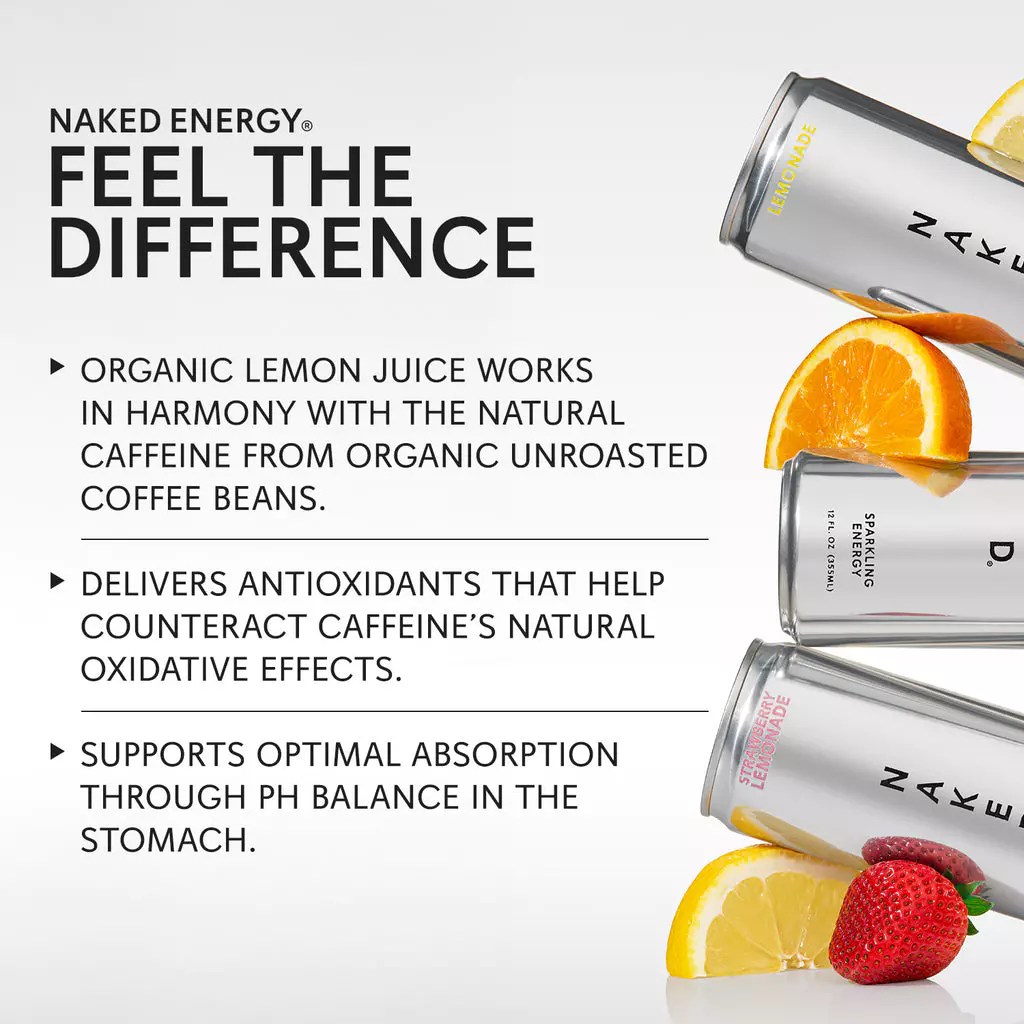


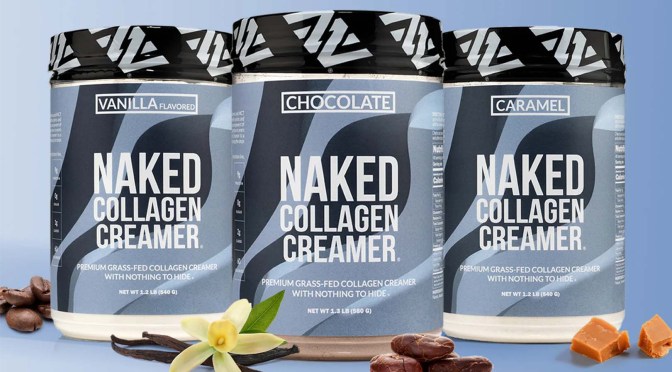
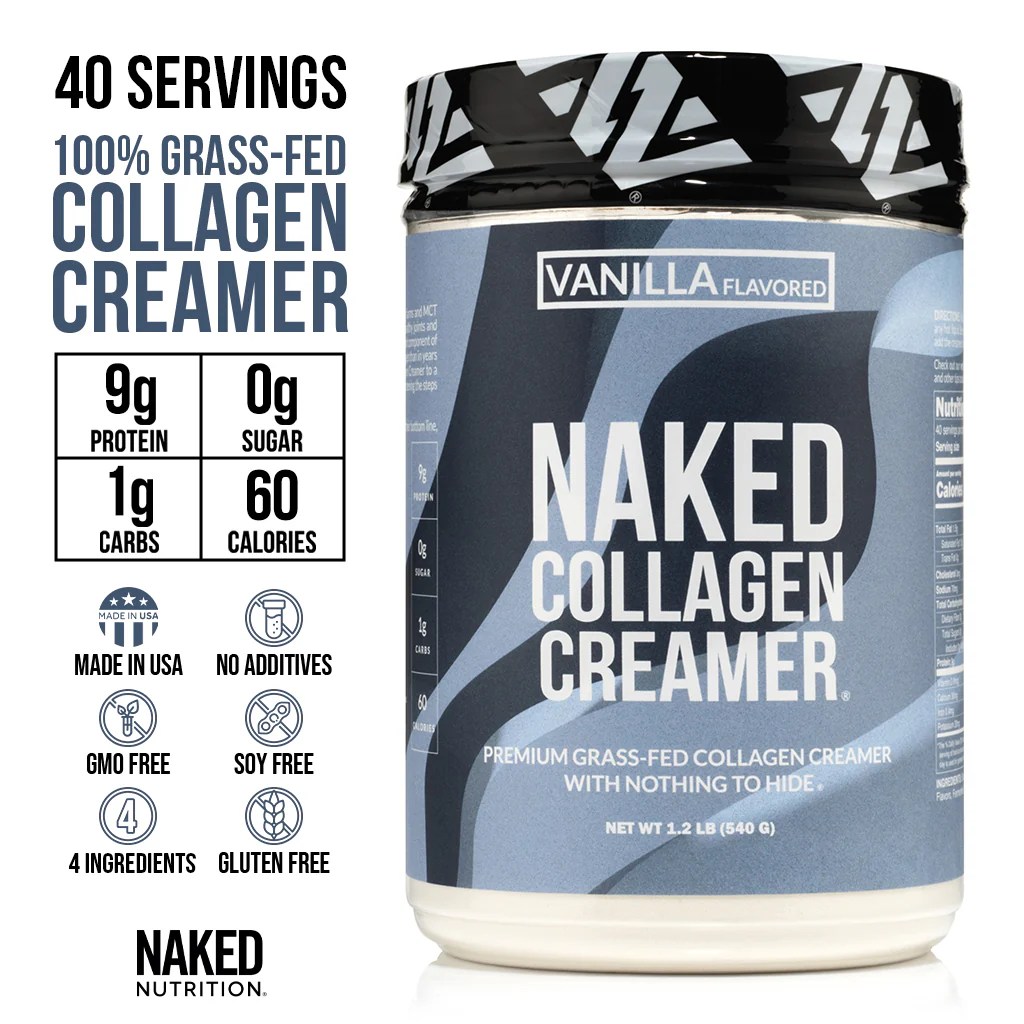





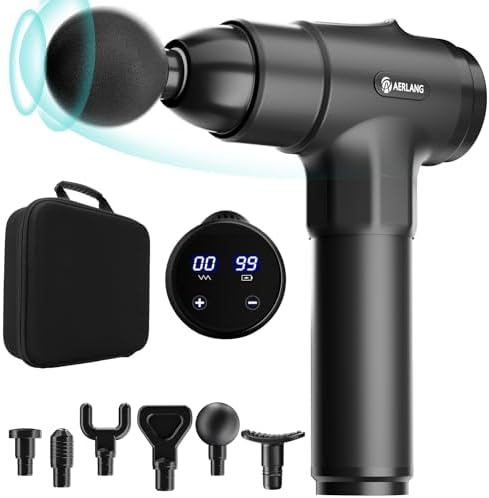


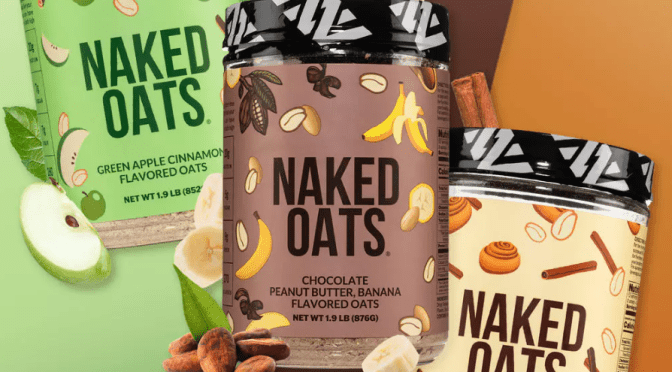


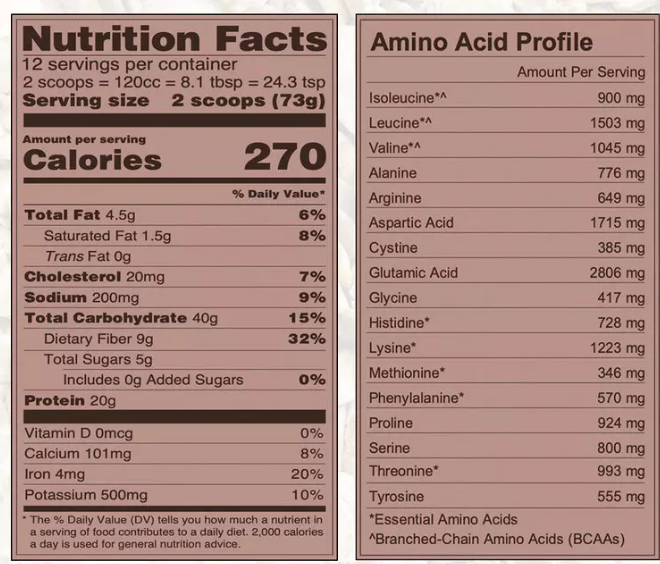





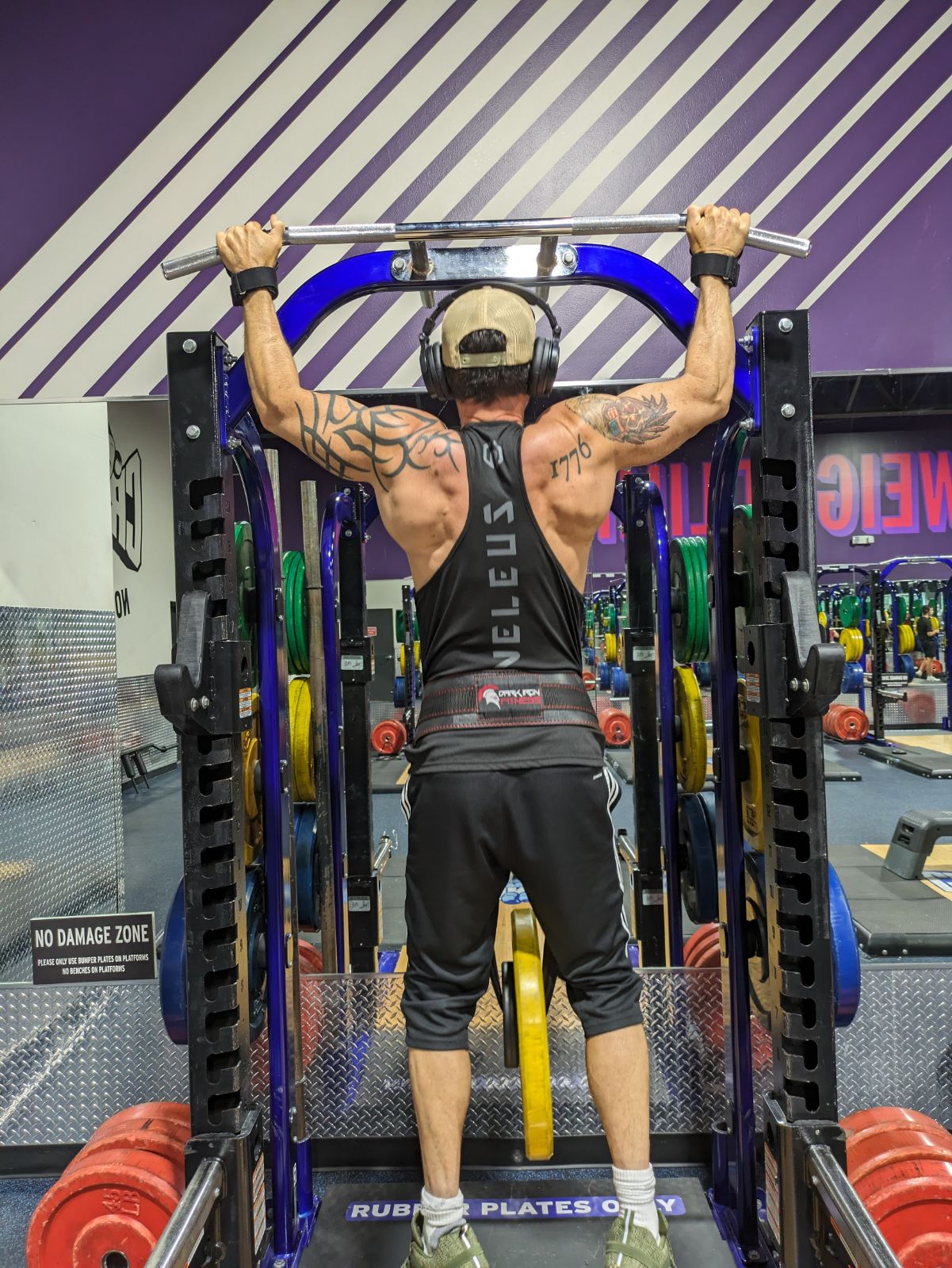

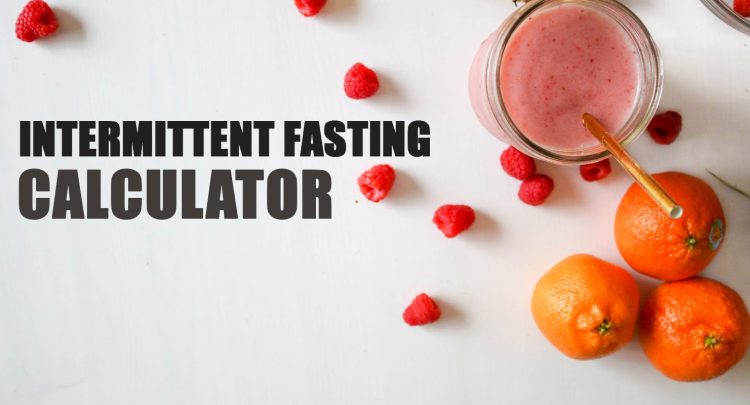

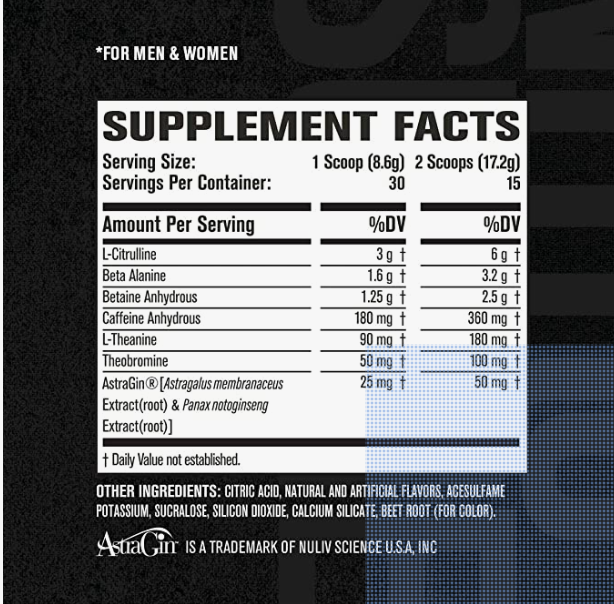
 That Helpful Dad