Today’s lesson is about King Solomon’s Money Management Tips — in this article we’ll explore some of the wise ruler’s thoughts on wealth, including the importance of financial education and having a plan for managing your hard earned money.
Life Lesson #22: Don’t be a fool with your hard-earned money
Look familiar?
Editor’s Note: This is Part 1 of our mini series on Solomon’s Money’s Management Tips and a larger series of articles on using The Wisdom of Solomon to change your life.
An Ounce of Wisdom…
Before we get started, let me give you an important tip – this page is filled with numerous quotes from King Solomon and since he’s widely regarded as the wisest man who ever lived, it’s probably a good idea for all of us to pay attention to what Solomon is saying.
Sounds interesting…
Quick tip: make note of the references to Solomon’s quotes, then do yourself a favor and go back and read them – again and again and again – because the more you make his wisdom a part of your life, the more you can call upon it when you need it most. Make sense?
It Starts with Caution…
There’s no point in discussing how to acquire wealth, without first talking about something even more important than making money — having the wisdom to know what to do with it once you get it.
As Solomon said…
“What good is money in the hands of a fool since he has no desire to get wisdom?” (Prov 17:16).
So what happens if you get some money but you don’t have any wisdom?
Solomon has answered that for us. Consider the following warnings:
Prov 21:20 “In the house of the wise are stores of [wealth], but a fool devours all he has.”
Prov 14:1 “The wise woman builds her house, but the foolish one tears her’s down with her own hands.”
Prov 23:19-21 “Be wise and keep your heart on the right path. Don’t make friends with gluttons, they’ll make you poor.”
As you can see, all three of these are pretty much saying the same thing – if you get money, don’t be a fool and squander it.
Apparently that lesson was so important to Solomon that he felt the need to repeat himself multiple times to make sure we pay attention to it!
Be sure to keep those few words of caution in mind as you continue through these lessons, otherwise you may find yourself lamenting this little tidbit from the king as well…
“Cast but a glance at riches and they are gone, for they will surely sprout wings and fly away [on the fool]” (Prov 23:5).
This is fun!
Now lest you think I am just here to preach to you, please understand that is not the case. I’ll be the first to admit that I made all 3 of these mistakes in the past because I foolishly believed I could figure out everything on my own and didn’t need to listen to the advice of others. That wasn’t smart and the consequence of that foolishness is that I lost a LOT of money I shouldn’t have.
The good news for me is that I learned some valuable lessons in the process, but the even better news for YOU is that you can learn these lessons without having to lose money. It’s your choice…
Do you want to learn the easy way (by listening to this wisdom and applying it to grow and protect your money) or do you want to learn the hard way (by having to pay money to learn as you go)?
Solomon Says “Have a Plan”
In Part 1 of this series on King Solomon’s Money Management, we’ll talk about the importance of having a plan when it comes to managing your money.
If you’ve learned anything about me yet from reading my other lessons, you should know by now how much I value a good plan. As we’ve talked about in the lesson called The Power of Planning, it’s important to understand that…
“A goal without a plan is just a dream.”
Antoine de Saint-Exupéry
What that means to YOU in the context of this lesson is pretty simple…
You may have a goal in life to build wealth, and it’s great to have a goal, but remember, if you don’t actually have a plan for exactly HOW you’re going to get all that money, then it’s unlikely you’ll get all the money you desire, and worse yet, you may end up in the poor house instead.
Don’t just take it from me, let’s see what King Solomon had to say about this too. Did you know that Solomon was big on having a plan regarding money, both when it comes to acquiring it, as well as managing it?
(Prov 16:16) “It is better to choose wisdom than gold, to choose understanding before silver.”
As we talked about above, money without wisdom isn’t going to last long in the hands of a fool.
Don’t be that fool.
2-Build wealth over time
(Prov 24:3-4) “By wisdom a house is built and through understanding it it established; through knowledge its rooms are filled with rare and beautiful treasures.”
Remember, Rome wasn’t built in a day. You need time to build wealth – and you need wisdom, understanding, and knowledge to make it grow.
3-Plan your purchases
(Prov 24:27) “Finish your outdoor work and get your fields ready, after that build your house.”
In other words don’t go making major purchases on a car or house until you’ve built up some savings and made a plan for how you’re going to pay for everything.
4-Manage your money carefully
(Prov 27:23-27) “Be sure you know the condition of your flocks, give careful attention to your herds; for riches do not endure forever, and a crown is not secure for all generations. When hay is removed and new growth appears and the grass from the hills is gathered in, the lambs will provide you with clothing, and the goats with the price of a field. You will have plenty of goats’ milk to feed you and our family.”
Be prudent with your money. Use a budget to keep track of your income and expenses. Know how to make your money work for you.
Know the risks associated with money and understand that it’s much easier to lose money than it is to make it, BUT if you manage it well, then it can make your family’s life easier.
5-Live beneath your means
(Prov 13:7) “One man pretends to be rich yet has nothing, another pretends to be poor yet has great wealth.”
You know the cliche about ‘trying to keep up on the Joneses” – don’t be foolish and try to show off for your neighbors by flaunting your wealth or always thinking you need to have the latest and greatest toy – that’s a sure path to the poor house.
Have the wisdom to show restraint on what you buy.
Use your money for what you need, not just all the things you THINK you want because if you allow yourself to become a habitual spender you’ll never be satisfied.
Pray that God will give you the wisdom to cherish what you already have and not be so focused on what you don’t have (and probably don’t need anyway) – that will save you a lot of money).
Don’t Wait, Use This Wisdom Today
Your ToDo for Today…
Look at the 5 tips from Solomon’s Money Management Planning Section above and pick just 1 item that you can TAKE ACTION on right now.
For example…
Is there something you want to buy?
If so, make a plan for how you’re going to pay for that purchase.
Perhaps you’ve realized that it’s time to increase your financial education?
If you’re like me, you’re always on the lookout for ways to be more productive. After all, the older we get the more we realize that time is precious – we can’t buy more of it and the sands of the hourglass never stop draining – so if there’s a trick that can help me better use my time I want to know about it. If you’re reading this, I’m guessing YOU do too.
To be more productive, you could try this technique…
Jim Carrey’s Productivity Hack?
Heck, I’d love to supercharge my productivity like Jim is doing in the vid, however for most of us Average Joe’s that little trick may not work. Yet have no fear, because, as always That Helpful Dad is here to help you by sharing a life lesson that anyone CAN use (yes that means YOU) to improve their productivity and reach their goals faster.
It’s called The Rule of 5
And it starts with a story…
The story behind the success of Mark Victor Hansen and Jack Canfield. Do those names ring a bell to you? This pair is the powerhouse behind the uber popular self-help series known as Chicken Soup for the Soul. These books are so legendary that there are now over 250 titles in the series and Mark and Jack have had their books translated into 40+ languages and sold more than 500 million copies worldwide.
Until they got some advice from an old teacher who told them…
“If you would go every day to a very large tree and take five swings at it with a very sharp ax, eventually, no matter how large the tree, it WILL come down.”
They did it – oops!
Recognizing the value of good advice, the story goes that Mark and Jack developed The Rule of 5.
Here’s how the Rule of 5 works…
Every day, do 5 specific things that will move you closer to your goal.
Wait, that’s it?
Yup, it’s not rocket science – but then again, most true wisdom isn’t hard to understand – the real trick is to actually DO it – day in and day out.
The keys to using this trick successfully are as follows:
Be SPECIFIC with your activities each day. Write them down and know exactly what you plan to do.
Make sure your activities are directly related to furthering your main goal – don’t mistake busy work for productivity. If the task isn’t really aligned with your goal, don’t do it.
Be persistent – use the Rule of 5 every day until you reach your goal.
The right actions, done consistently over time, lead to results.
It’s that Journey of 1000 miles and the single steps you take along the way toward the goal – shockingly simple but incredibly effective.
So what happened with Mark and Jack?
They applied this wisdom as follows: every day they did 5 specific things that they believed would move them closer to their dream of selling their books.
Mark said, “every day we did 5 radio interviews, or sent out 5 copies to book editors who might review our book, or called 5 network marketing companies and asked them to buy the book as a motivational tool for their sales people, or we gave a seminar to at least 5 people and sold the books at the back of the room.”
Jack added, “We wrote 5 press releases, we called in to 5 talk shows (sometimes at 3am), we even went to 5 gas stations, bakeries, restaurants, you name it, always selling our book. Day in, day out we did a minimum of 5 things for over two years.”
And then, finally, they broke through!
The tree they were chopping fell (thankfully not on top of them) — they found a publisher who believed in them and that snowball of public momentum continued rolling and hasn’t stopped to this day!
You Can Do It Too
Like Mark and Jack, you can use this wisdom to create real change in your life and achieve your goals.
Will it be easy?
Probably not.
Will you have to work hard?
Probably so.
But if your dream is important to you, if this is your legacy, then why not put in the effort AND use a productivity hack that is proven to work – The Rule of 5.
The Rule of 5 Challenge
Try the Rule of 5 Productivity Hack for 5 Weeks and see if if works for you.
I’d wager that it will – not just a little, but a lot.
I’d also wager that once you get things snowballing in the right direction by using the Rule of 5 and you start seeing success, you’ll be motivated to keep going – which will lead to even more success.
Share This Article
Want to Read the Chicken Soup Books?
If you’ve never read the Chicken Soup books, you’re missing out. There is quite of bit of wisdom for life in these books and there are books for pretty much every occasion. Here’s some of the most popular ones…
Announcing the new Kamado Joe DoJoe Pizza Accessory! In this article we’ll talk why you may want the DoJoe, see how it compares to cooking on a pizza stone or the Pizza Porta, watching a vid or two that showcases the DoJoe, and finding out how much the KJ DoJoe costs and where you can buy one.
In a Hurry? – KJ DoJoe Quick Look
If you don’t want to read the reviews and tips about the new Kamado Joe DoJoe because you already know you want one and you just want to check pricing and availability we’ve got you covered.
Here’s a quick look at the Kamado Joe DoJoe…
Kamado Joe DoJoe Article Table of Contents
[lwptoc]
I. Pizza on a kamado grill?
If you’re like me, then cooking a wood-fired pizza on your KJ is nothing new – heck it’s probably one of the reasons you bought your kamado, right? After all the crispy crust, bubbling cheese, and hint of smoke are the trademarks of a kamado grilled pizza and the cravings for good wood-fired pizza never dies.
Who wouldn’t want more of this?
But do we really need yet another Pizza accessory for our KJ?
I’d wager you’ve been cooking wood fired pizzas on your kamado for years, right? If so, then you’re probably using a pizza stone or a Pizza Porta, right? Both of these are great pizza accessories for your kamado so let’s take a look at each and then see how they compare to the new Kamado Joe DoJoe. It could be that you don’t need a DoJoe…then again, maybe you do?
II. Using a Pizza Stone for kamado pizzas
If you’re currently cooking pizzas on a pizza stone then I’ll bet you have one something like this right?
If you have a pizza stone, please know that I’m NOT here to knock the Kamado Joe pizza stones because I have one too and they work great. I’ve made countless pizzas on my KJ pizza stone such as this pepperoni, mushroom, and garlic classic style…
Cooking a pizza on a pizza stone in your KJ is “Kamado Pizza 101” and I mean that in a positive sense.
Master the pizza stone on your kamado and you’ll never go hungry – unless of course you want to make more than one pie.
Then you’ve gotta deal with a few challenges, including:
Maintaining your temps vs lifting the lid to check your pizza.
Dealing with the high heat temps (550-750+) depending on your method and being on guard against a dangerous backdraft/flashback.
Because of these issues, some have opted for the Pizza Porta accessory…
III. Using a Pizza Porta for kamado pizzas
The Pizza Porta was a first-of-its-kind pizza accessory for your kamado that converted your ceramic grill into a pizza oven. The Pizza Porta looks like this…
The Pizza Porta works by closing off the kamado chimney so you can retain the heat and keep the dome hot. The Pizza Porta door lets you control airflow for temperature control and most importantly…
Cook the top of your pizza the same rate as the bottom!
The Pizza Porta is a quality kamado pizza accessory and for years it was the best way to use your kamado to make a number of pizzas faster and more consistently vs a typical pizza stone.
Until the Kamado Joe DoJoe…
IV. Meet the Kamado Joe DoJoe
Now there is a new entrant into the market – the Kamado Joe DoJoe. To give us an introduction to the DoJoe let’s check out Kamado Joe‘s very own John Setzler talk about this exciting new tool…
Here are a couple more vids about the product…
APM Group DoJoe First Look
BBQ EC DoJoe Demo
I’m sure looking at those vids about the DoJoe has your mouth watering right? Let’s look at the key benefits of the Kamado Joe DoJoe…
V. Kamado Joe DoJoe Benefits & FAQ’s
If you’re considering purchasing the KJ DoJoe here’s what you’ll want to know…
The Key Features/Benefits of the DoJoe are:
The DoJoe is an authentic Kamado Joe product so you know it will fit your KJ.
The DoJoe is made of durable cast-aluminum.
The DōJoe transforms your Kamado Joe into a best-in-class pizza oven.
The distinctive wedge shape of the DōJoe makes maintaining steady temperatures even over the course of hours.
Using the DoJoe allows you to easily see and monitor their pizza as they cook. That means no more lifting the lid or looking thru the top!
The DoJoe has dedicated supports for the Kamado Joe Heat Deflectors and Kamado Joe Pizza Stone to ensure optimum distances between these accessories thus guaranteeing perfect crust and crisp toppings!
FAQ’s related to the Kamado Joe
Does the Kamado Joe DoJoe fit a Big Green Egg? The KJ Classic DoJoe should fit the BGE Large and the KJ Big Joe DoJoe should fit the BGE XL.
What temps can the DoJoe maintain? According to Kamado Joe the DoJoe should easily keep you in the 400-700F range.
Does the DoJoe have a door like the Pizza Porta? No, the DoJoe doesn’t have a door like the Pizza Porta but the DoJoe wedge design is different and supposedly doesn’t require a door – much like a typical wood fired pizza oven also doesn’t have a door.
Reviews of the Kamado Joe DoJoe
At LordoftheGrills.com we believe in providing you links to reviews and product discussions from other quality sites. Here are some helpful reviews from other BBQ sites that talk about the Kamado Joe DoJoe…
VI. Kamado Joe DoJoe – How Much Does it Cost and How Can You Buy One?
Are you ready to buy your Kamado Joe DoJoe and make some awesome wood-fired pizzas? If so, check out the latest prices on the DoJoe and pick one up today…
Traeger Grill Accessories – If you’re a Traeger Grill Enthusiast, you’ll enjoy this discussion of the best essential add-on parts to buy for your Traeger. On this page we’ll talk about why you might want to add various shelves to expand your work space, weather or not you need an insulation blanket, the importance of a quality cover, the convenience of magnetic hooks, and various power controllers.
Editor’s Note: This article is part of our series about the Best Traeger Brand Accessories. Other articles in the series discuss the best Traeger Accessories for Cooking Surfaces, BBQ Tools, Pellets, Cookbooks, Cleaning Tools, Prep Tools, Spices & Rubs, and even Traeger Swag. And if you’re new to the world of Traegerhood, be sure to read this article: “What is a Traeger Grill?”
[lwptoc]
Traeger Grill Accessories – Essential Add-Ons
When you purchase a Traeger Grill, you’re buying a quality product that will give you great satisfaction for many years to come, but as with any high-end grill hobby, there’s always a few more things you’ll want to get to set you up for success. In this article we’ll talk about some of the key parts to consider adding to your Traeger Grill.
I. Traeger Grill Accessories – Shelves
Although your Traeger will come with a lot of stuff already, you’ll quickly discover that you’re gonna want more SPACE in the area outside your grill – and in truth this is not just a want, it’s a NEED.
That’s why Traeger makes both Front Folding Shelves and Bottom Shelves for your Traeger Grill that you can add to the outside of your Traeger to give you more prep and storage space. (BTW if you’re looking for cooking shelves for INSIDE your grill, be sure to see this linked article about best cooking surfaces).
TIP: When shopping for external shelves remember they are model specific so be sure you get the right one to fit your specific Traeger Grill.
You can’t grill without making a bit of a mess and if you want to keep your Traeger clean, you’re gonna want to have some buckets and liners to help make that cleanup easier. Check out these top picks…
Magnetic Hooks for your Traeger Grill are convenient for hanging cooking utensils from and because they’r magnetic you can move them around easily. Here’s the most popular ones…
IV. Traeger Grill Accessories – Just for Fun Attachments
For a quick break in the ‘must haves’, let’s do something just for fun. The following items might not be ‘essential’ add-ons for your Trager Grill but they sure are fun. If you have the coin, consider these the Bottle Opener…
V. Traeger Grill Accessories – Insulation Blankets & Covers
Ok, back to business – let’s talk Traeger insulation blankets and covers.
IMPORTANT – Don’t confuse a cover for your Traeger with an insulation blanket – they each have a specific purpose.
A cover will protect your grill from the weather, while the Traeger insulation blanket will help you during cooking.
If you use your Traeger a good bit in colder climates, you may benefit from an insulation blanket. Why would you want a Traeger insulation blanket? Because it will help you to maintain more consistent temperatures no matter the air temperature and using an insulation blanket with your Traeger Grill will stop you from burning through extra pellets in colder weather.
As for the cover – that’s kind of a no brainer, right? Don’t let your grill sit out in the elements and be destroyed – cover it with a Traeger Brand cover.
As with other accessories, Traeger Insulation Blankets and Covers are model specific so get the one that fits YOUR Traeger Grill.
Let’s start with a COVER – there are a LOT of options depending on our grill model and style preference.
If you want to fine tune grilling and smoking times for perfectly done food every time, then use the Pro Controller. It also features an auto shut down cycle that reduces the amount of residual ash left behind in your firebox and grill bottom.
How about a pellet sensor? Never run out of pellets again. The Traeger Pellet Sensor sends notifications when your pellets are running low through the Traeger App. Focus your time on preparing that next legendary meal for your closest family and friends.
Big Green Egg Accessories – Are you a new Big Green Egg Egghead? If so this article can help you. We’ll discuss which accessories are the best to buy right away so you can speed up your learning curve and make the most of your cooks on the BGE.
On this page you’ll see the Top 10 “Must Have” Accessories for your Big Green Egg — specially curated for Egg newbies.
Best Accessories for Big Green Egg
Editor’s Note: This article is part of our series focused on the “Best Accessories for the Big Green Egg.” Besides this “Top 10 List,” we also have articles about the Best Big Green Egg Cookbooks, Best Cooking Surfaces for the BGE, Best Lump Charcoal, Fire Supplies, Cooking Tools, and many more.
Be sure to check out our Big Green Egg Brand shop as well – where you can see all the Big Green Egg Brand products we carry in our store.
[lwptoc]
1-Big Green Egg Accessories – The EGGspander
The Big Green Egg ‘EGGspander’ is a “Flexible Cooking System” and it is the #1 “Must Have” accessory for the Big Green Egg in our opinion.
Why?
Because using a Flexible Cooking System like the EGGspander will change the way you use your Big Green Egg. With a flexible cooking system you can
There IS a learning curve when it comes to cooking on a kamado-style grill like the Big Green Egg. Do yourself a favor and get a cookbook specifically designed for kamado grills because not only will you get some great recipes but you’ll also pick up some much-needed tips on HOW to use your BGE. Here are 3 great books to consider.
With temps that can reach up to 800 degrees or more, you can’t mess around when you’re cooking on your kamado grill. Do yourself a favor and get a good pair or welding gloves or some high-heat rated rubber-style hand protection. (You’ll also want a good pair of meat claws and long-handled grilling tools but that’s a whole other article).
My dad’s a retired welder (40+ years on the job) so personally I use his old welding gloves, but if you don’t have that luxury, consider some of these great options.
As fun as it is to cook on the Big Green Egg nobody wants to sit by the fire all day. You want be with friends, drink a few brews, and relax without always wondering about the temps of your meats. Having a good remote thermometer allows you to do that. The two most popular brands to consider are ThermoPro or Maverick. Here are some of their most popular models…
5-Big Green Egg Accessories – Electric Fire Starter
Sure you can use a charcoal chimney, or blow torches, or tumbleweed and those all do work, but if you want to keep it easy just use an electric fire starter – you’ll thank me for it.
Because if you increase your airflow, you’ll get more from your lump charcoal – this means easier to reach higher temps, using less charcoal per cook, and easier cleanup. Here’s a demo vid so you can learn more…
There are a lot of options for ash baskets but the most popular by far is from 1 brand to seriously consider here: Kick Ash Baskets.
7-Big Green Egg Accessories – Pizza Stone
Who doesn’t want to cook wood-fired pizzas on their Big Green Egg? C’mon you know this is one of the reasons you bought the BGE right? Get yourself a pizza stone and give it a try. There are a lot of choices here, and you can see more pizza ovens and accessories on this page.
Stop the presses!
Pizza fans won’t want to miss this brand new accessory…The Kamado Joe “DoJoe” – it will fit BGE Large edition grills too. Here’s a vid and product link to learn more…
8-Big Green Egg Accessories – Cast Iron Cookware
We have an entire article devoted to the best ‘cooking surfaces’ for kamado grills and you’ll find lots of cast iron products in our store, but for now just know this – the stainless steels grates that come standard with your BGE are fine, but if you want to go next-level you’ll discover pretty quickly that you’re going to want some cast iron in the mix.
Cast-iron + Big Green Egg = perfect match.
So what should you get? A large dutch oven is a great start. As is a plancha pan or even a cast-iron griddle insert. Here’s a few to consider…
Remember, if you plan to get the Kamado Joe griddle or grates, you’ll need the Kamado Joe Flexible Cooking Rack System.
9-Big Green Egg Accessories – QUALITY Lump Charcoal
No matter what accessories you buy for your Big Green Egg or how well you manage your fire, if you don’t have quality lump charcoal to cook with, you’re setting yourself up for disappointment.
There’s nothing like doing everything right and then having the food taste bad because the lump charcoal you used was made with poor quality wood or too much of a particularly strong wood (like hickory).
Don’t let that happen to you — instead I’d recommend you buy good quality lump charcoal that has a mix of hardwoods that work with all types of foods for your basic cooks and then buy smoking wood chips for particular flavor profiles you want to add in later (such as hickory for chicken, fruit woods for fish, etc).
Best Chromebooks – I’ve been a longtime fan of Chromebooks and have been using these powerful little laptops for years. In this article, I’ll give you my recommendations for the best Chromebooks for kids, for students, for people looking to replace their traditional laptops with a Chromebook, and for bloggers and online marketers, and for working professionals who want to use a Chromebook for business.
In this article, I’ll also share with you the specific Chromebooks my family uses, give you links to check current prices for Chromebooks on Amazon, and give you numerous websites where you can learn more.
Best Chromebooks Table of Contents
[lwptoc]
I. What is a Chromebook?
Lots of websites talk about how Chromebooks are so different than other laptops, however I don’t agree. Sure, it’s true that Chromebooks use a different operating system (OS) than traditional laptops that use a version of Microsoft Windows or the Apple macOS, but the difference in OS is not as big of a deal as you might think and most importantly that factor should NOT be a reason why you overlook buying a Chromebook.
So what is a Chromebook? It’s simply a laptop that uses the Google Chrome OS and takes advantage of the “Google Universe” to provide you with an experience that leverages the best of both the mobile and laptop words. For this reason a Chromebook is so much more than just it’s Google designed OS. You can learn more about this topic by reading the “Considering a Chromebook” article from Google.
While we’re on it, I should probably also answer the question “is a Pixelbook a Chromebook?” YES, a Pixelbook is Google’s top of the line Chromebook. Some call it the ‘flagship’ model, other’s the ‘premium’ edition, or (as my son JeeHo likes to say) the “Pro Level.” You’ll learn about Pixelbooks and many other Chromebooks on this page.
II. Why Choose a Chromebook over a Laptop?
Most people who are NOT familiar with Chromebooks think they are more like glorified tablets than laptops and/or that Chromebooks can’t perform up to the standards of a traditional laptop therefore they feel that Chromebooks aren’t functional enough to make realistic options for students, bloggers, or professionals. While it’s true that a Chromebook can’t compete with a top of the line desktop (hey size DOES matter in this case) and while it’s also true that there are a select number of users (big time gamers, video editors, etc.) who may need high powered (read: high end, expensive) laptops, the fact is that for the majority of users Chromebooks CAN function as your everyday laptop of choice. Here’s why…
I’ve been using Chromebooks as my laptop of choice for years. Here are 10 reasons why I love Chromebooks instead of traditional laptops that run Windows or MacOS.
1-Chromebooks are lightning fast when it comes to turning on – open the lid and you’re up and running in SECONDS. From a productivity standpoint this is huge. Need to take a quick note? You can do that much faster on a Chromebook because you don’t have to wait for the traditional laptop boot-up process.
2-Chromebooks are lightweight– the average laptop weighs about 5 lbs, while the majority of Chromebook is less than 3 lbs. That makes them easy to carry around for students, kids, and professionals on the go.
3-Chromebooks are NOT bogged down with a bunch of bloatware. That’s another reason why they start up so fast and don’t have a lot of background processes hogging memory.
3-Chromebooks are NOT bogged down with a bunch of bloatware. That’s another reason why they start up so fast and don’t have a lot of background processes hogging memory.
4-Chromebooks have free, built-in malware and virus protection that is continually updated by Google. With many other traditional laptops you have to pay extra for virus protection that is outdated by the time you manually install and then have to constantly download new updates and patches. Chromebooks get those updates automatically and seamlessly – what could be easier?
5-Chromebooks use the power of the Cloudfrom an app and storage standpoint – this keeps them lean and quick. And BTW you do NOT need to be continually connected to the internet for a Chromebook to work – see the ‘common objection” below for more.
6-Chromebooks use Google Drive Apps such as Google Docs, Google Sheets, and Google Slides which are all compatible with Microsoft Office and Mac Systems so you can edit/print/share/update docs you created with other programs and vice versa. Best of all these apps are FREE and you get updates automatically.
7-Chromebooks always have the most up to date OS – you don’t have to pay for updates and the update process is quick and easy.
8-Chromebooks are inexpensive. Compare the cost of a Chromebook to a laptop and you’ll find time and again that Chromebooks win for 90% or more users.
9-Chromebooks provide you what you need and eliminate what you don’t – this goes beyond just the freedom from bloatware, it’s related to the inherent nature of the operating system on a Chromebook being so ‘lightweight’ from a functional standpoint, the ability to use mobile apps (see below) and the focus on speed. The result is the elimination of all the extra (read: not really necessary) programs, etc that fill up the traditional laptop’s memory banks.
10-Many Chromebooks can now run Android apps – which gives you an experience similar to mobile devices. My Pixelbook for example is basically another extension of my Google Fi phones (Nexus 6P and Pixel XL) when it comes to using most of my apps and this allows me to flip back and forth between devices depending on my needs. This is super convenient.
Common Objection – “But don’t I have to be connected to the internet to use a Chromebook?” This is actually FALSE. Chromebooks do NOT need to be connected to the internet to function. While it’s true that having internet/cloud access allows Chromebooks to perform at their best and is a requirement for certain apps, there are plenty of apps that work offline – these include Gmail, Google Keep, Google Drive apps (Google Docs, Sheets, and Slides), Google Calendar, Google Photos, and the Media Player (music/movies), among others.
Now that we know WHY you should want to choose a Chromebook, let’s look at my picks for the best Chromebook for each category.
III. Best Chromebooks for Kids & Families
In order to qualify as the best Chromebook for kids, the device needs to be easy to use, inexpensive, durable, and ideally have a touchscreen (because let’s face it, our kids have been conditioned that all screens are touchscreens and when they’re not, they get confused, right?). With this in mind, my recommendations are as follows…
[amazon box = “B06W57W6CX”]
[amazon box = “B01DBGVB7K”]
[amazon box = “B01APA6K6M”]
Any of these would make a good choice for families with children, and since they are all under $250, parents will like the value. Of these three, my son Jax (currently in 4th grade) has been using the Acer R11 for a couple years now and loves it – the touchscreen makes a nice feature at this price point and it’s powerful enough to play games like Roblox and Minecraft as well as YouTube Gaming.
IV. Best Chromebooks for High School and College Students
If you’re looking for a Chromebook suitable for High School and College Students you’re going to want something that can handle multiple programs/apps at the same time, is fast and efficient with social media, and is powerful enough to take on the increased workloads of students at this level. For this category I’d suggest the following:
[amazon box = “B01N5G5PG2”]
[amazon box = “B07GD4CMDH”]
[amazon box = “B075JSK7TR”]
In this price range, all of these are fine choices. If the budget allows, I’d go for the Pixelbook since the added horsepower under the hood would make it a usable option for years to come.
V. Best Chromebook for Bloggers and Online Marketers
I fall into this category personally so I know my colleagues and I in this group need a laptop that can handle programs and apps like WordPress, Youtube, Pinterest, Hoosuite, Canva, etc, etc, etc. and keep them all running at the same time. I’m currently typing this on my Pixelbook and that’s where I do most of my blogging activities.
Given my knowledge of the space, here are the best Chromebooks I’d recommend for bloggers and online marketers.
[amazon box = “B07LCSS5H4”]
[amazon box = “B07GD4CMDH”]
[amazon box = “B075JLPLBL”]
The Samsung Chromebook Pro would be the minimal you could probably get by with here. The Acer is another quality machine and I think most would be happy with it, but there is no comparison with the top line Pixelbook in this category – purchase this and don’t look back if you’re budget allows.
VI. Best Chromebooks for Working Professionals
Here’s another category where I have personal experience. As a working professional I am frequently “out in the field.” Working pro’s like me need a laptop we can rely on to power up fast, have a long battery life, be lightweight, travel friendly, and have enough processing power to get the job done.
Here’s my top 3 Chromebooks for Working Professionals:
[amazon box = “B074VB8VT5”]
[amazon box = “B07JWB7QB2”]
[amazon box = “B075JS8NZ7”]
Why these 3? Each offers a key benefit. The Asus offers a 360-degree hinge and a 10+ hour battery. The Pixel Slate is a very strong competitor to the Microsoft Surface Pro’s that are uber-popular with sales & business execs on the go. And again we find the Pixelbook as the do-it-all workhorse in this class. Depending on your needs and budget, any of these would be great choices as the best Chromebook for a working professional.
VII. Best Chromebooks to Replace Traditional Laptops
This category is going to have a wide variation because people use their laptops in different ways. Some only use it for light processing (writing emails and documents) and surfing the web; others want to be able to do a bit of gaming and watch videos in HD; and still others want the top of the line Chromebook that can serve as a workplace laptop. I’ll handle each of these segments by making a different recommendation…
If you mainly plan to use your Chromebook for surfing the web, doing emails, and watching cat videos, you don’t need to spend a lot of money. Here’s a great option:
[amazon box = “B01J42JPJG”]
If you want your Chromebook to be capable of online gaming and watching HD Videos, get an entry level Pixelbook.
[amazon box = “B075JSK7TR”]
If you want the top of the line, best available Chromebook, get the top of the line Pixelbook.
[amazon box = “B079P94MY3”]
VIII. Best Chromebook Under $250
The best Chromebook for under $250 is the ASUS Chromebook C202 – we’ve already discussed this one above. 1500+ reviews on Amazon, and “Amazon Choice” rating, 4+star average user rating, and so many great features make this one an easy choice for this category. If this is your budget, jump on the ASUS Chromebook today…
There are a LOT of choices in this category and we’ve discussed a number of strong candidates for this group on this page above. To boil it down to the bottom line, my recommendation for the best Chromebook under $500 is the Samsung Chromebook Pro (my wife rolls with this one and loves it). It’s usually on sale for under $500.
If you’ve actually read this article in full, it should come as no surprise then when you hear that my recommendation for the best Chromebook for under $1000 is the Google Pixelbook. It’s really a no brainer. Google knocked it out of the parked when they spawned this device and I see no reason why the Pixelbook won’t continue to rule the day not just in the Chromebook world, but eventually in the overall laptop market in the future too.
The Pixelbook is the Chromebook I use every day to manage 4 blogs, my numerous YouTube channels, and run my sales business. Here’s the specific model I’ve been using for over a year now…
I’ll bet you’re thinking I’ll just recommend the most expensive Chromebook for this category right? That would be the Google Pixelbook i7 with 16 GB RAM and 512 GB memory. If I did make that call, I don’t think anyone could fault me because this Pixelbook is a beast. I’d love to have it and if you can afford it, go for it.
HOWEVER, the Pixelbook i7 doesn’t win my vote as the Best Chromebook at ANY Price because I’m trying to make a fair recommendation that will benefit the majority of my readers and the fact is that for most people money IS an issue AND it’s also a fact that most people just don’t need this powerful of a Chromebook.
Therefore I’m giving the award for Best Chromebook at ANY Price to a different Pixelbook – the Google Pixelbook i5 which has 8GB RAM and 256GB memory – this is enough to serve as the best everyday laptop for the majority of people. It’s basically the machine I have but with twice the memory – it was just a lot more expensive when it first came out so I went with the 128GB version. Since the 256GB is now only $100 more than the 128GB version is a great value and it’s the Pixelbook I would buy myself if I needed a new one today. That said, I’ll be honest with you, I haven’t run into a memory issue yet with my 128GB version so it’s really up to you as to which Pixelbook i5 you get – either one is a winner.
If you follow my site, you know my goal is to help save you time when you’re trying to solve a problem or make a buying decision. One of the ways I do that is by providing you with links to some of the websites I used to conduct my research. In this case, I’d recommend all of the following sites:
That’s a question only YOU can decide – drop me a line in the comments and let me know which Chromebook YOU think is best. Thanks for reading and have a great day!
I’ve always been fascinated with astronomy, and I remember when my dad got us a telescope when I was a kid, so when my oldest son recently turned 10 and expressed an interest in the stars and planets, my wife and I knew it was high time we picked up a telescope for our family too. If you follow me on this site or YouTube, you know I always do a LOT of research before making a purchase. Such was the case here too. I reviewed tons of websites and telescope models before deciding on the one I’m recommending here. In this article I share with you why I purchased the Celestron NexStar 127SLT Mak Computerized Telescope, some of the other scopes I considered which are also good, and some of the sites I used for my research.
Telescope Review Table of Contents
About the Celestron brand of telescopes
About the Celestron Nexstar 127 SLT Mak
Why I consider the Celestron Nexstar 127 Mak the ‘best’ telescope for beginners
Other scopes I reviewed
Websites I used for my research
I. About Celestron Telescopes
Celestron is a trusted brand with a long history
If you are new to telescopes, you may not be familiar with the Celestron brand, however ask any of your friends or do even a bit of research and you’ll hear over and over again how great Celestron scopes are – especially for beginners with kids, families, or other newbies. The company has been in business since the 1960’s and they have made scores of highly rated telescopes that can help you see the moon, planets, stars, galaxies, and other deep space objects. Do a quick search on Amazon and you’ll see a large number of Celestron telescopes with 4-star ratings with 100’s of reviews – that means you can buy this brand with confidence.
For my situation, in addition to looking at reviews about Celestron on Google, Amazon and various other websites (see more below), the brand was also highly recommended to me by a friend who has purchased numerous telescopes over the years. Given my friend’s astronomy experience, he was a reputable resource for me and so when he specifically recommended the Celestron brand to me for my situation (i.e. as the best telescope brand for beginners with kids and families), I knew I had to strongly consider it. I am recommending that YOU do the same.
II. The Celestron NexStar 127SLT Mak
Here are the basics about the Celestron NexStar 127SLT Mak Telescope
[amazon box = “B0038LX8XE”]
III. Why I consider the Celestron NexStar 127SLT Mak the “Best” Telescope for Beginners
There are 4 things I factors I used in my decision making process to help me determine what was the best telescope for beginners with kids and families like my own:
Quality and Reputation of the Brand
Ease of Setup/Use
Ability to Grow as our interest level expands
Price to Value
Let’s review each of these.
1-Brand Reputation and Quality.
We already reviewed the long history of Celestron and the fact that the brand is recommended by telescope aficionados like my friend and others (see the external web links in Section V below) – this gave me confidence in the brand’s reputation. The fact that Celestron has so many telescopes that are highly rated and recommended by others gave me confidence in the quality.
2-Ease of Setup/Use
Perhaps the only knock on the Celestron NexStar 127SLT Mak is that, like other computerized telescopes, it is NOT as easy to set up or use as a manual (i.e. non-powered) telescope. If you are not familiar with what a ‘computerized’ telescope is (and I wasn’t before I started the buying process), then I suggest you read a bit about it so you can understand why you might want one — for an excellent discussion on the advantages and disadvantages of computerized telescopes see this article by OpticsPlanet.
After weighing the pro’s and con’s of a computerized telescope I decided that, in spite of the learning curve, in the long run, the advantages of a computerized scope were too much to pass up.
The key advantages that most appealed to me about the 127 SLT Mak were:
The ability to locate many more objects in the night sky faster and with pinpoint accuracy by computer than we could find on our own if we had to always manually move the scope.
The fact that computerized scopes are recommended for viewing in “light polluted” skies (we live in a suburb of Tampa).
The idea that a computerized scope can function as a de facto teacher for my family of beginning astronomers.
TOP PRIORITY: The fact that a computerized scope could ‘grow’ with our family over time (see #3 and 4 below).
ALSO KEY: The fact that you can use the computer to ‘lock’ on to an object and it will automatically track that object over time – this is perfect when you view the moon which tends to ‘speed’ through the sky (without a computer you have to keep manually adjusting your scope) and t’s also a requirement if you want to do any sort of long-exposure photography.
3-Ability to Grow as our interest expands
Look, I get it, $400 or so for a telescope for beginners isn’t anything to sneeze at. It’s a decent amount of money for a telescope for kids and families as your first scope. The fact is there are plenty of other scopes available for less money. If $400 isn’t in the budget then you should consider these three highly rated scopes that are all usually on sale for under $200:
All three of these are great options for families looking for their first telescope and if you’re on a budget they’d make an excellent choice to as entry-level scopes.
That said, if you can afford to spend just a bit more, you’ll be able to get something like the Celestron NexStar 127SLT Mak that we purchased and not only will this serve as a great beginner telescope, but it will also grow with you over time. After you learn how to use the computerized scope you’ll realize there is just so much more you can do with it than you could with a manual scope.
4-Price to Value
If money was no issue, perhaps I would have purchased the Celestron NexStar 8 SE Telescope or one of the Orion Dobsonian scopes you read about on the astronomy forums, but those aren’t really realistic or prudent options for my family of beginner astronomers. I determined that I wanted to spend under $500 and I wanted a scope that would provide the best price to value in that price range. For us it was the Celestron NexStar 127SLT Mak – this telescope gave us nearly all of the advantages of the higher cost Celestron “SE” models AND it checked every box on the list of features that were important to us (as we discussed in the “Ease of Use” section above). Therefore, in the end, the choice wasn’t all that hard. We bought the Celestron NexStar 127SLT Mak from Amazon and haven’t looked back.
You can check the latest price and see it on Amazon here.
In the interest of fair balance, I think it’s also important to note that, after doing all my research and before making my final purchase decision, I actually ended up with 2 other scopes besides the Celestron NexStar 127SLT Mak that I strongly considered Those scopes were:
Both of these are fine scopes, but they just didn’t check as many boxes for us as the 127SLT Mak. After going through all the forums and talking with folks, I felt like Orions were better at higher price points (around $1k) but that was a bit too high for our ‘beginner’ scope. As for the Celestron 130SLT it’s a Newtonian scope and although there are certainly advantages to that setup for certain types of deep space viewing, we decided we wanted the more compact Mak-Cassagrain version that would potentially be better for viewing the moon and planets.
All this being said, I do believe the Orion StarBlast 6 or the Celestron SLT130 would make good telescope for kids and families depending on YOUR needs.
V. Websites I used for my research
If you follow my site, you know my goal is to help save you time when you’re trying to solve a problem or make a buying decision. One of the ways I do that is by providing you with links to some of the sites I used to conduct my research. In this case, I’d recommend all of the following sites:
If you’re looking for tips or help on how to improve your Netflix experience we can help you. In this article, we’ll discuss how to find and login to your Netflix account so you can see how much the various Netflix Plans cost, how to change your Netflix Plan, how to sign up for the Netflix Streaming or DVD Plans, how to change your Netflix Profile, how to set up new Netflix Profiles, how to change your Netflix Profile Pic, how to set up Kids Profiles on Netflix with automatic parental controls, how to set up a PIN on your Netflix Account, how to change the Parental Control levels, how to find 4k and UHD content on Netflix (and what Netflix plan you need to be able to watch 4k content), how to find new releases on Netflix, a list of the Top Netflix Original Series, the Best Netflix Original Movies you can watch now, and more. Wow – that’s a lot so let’s get started!
Editor’s Note: The content on this page is setup as VIDEO GUIDES – that means you’ll be able to visually see a STEP-BY-STEP process on how to do all of these tips on Netflix. Easy-peesie-pasta-weesie!
Table of Contents
How to Create New Profiles on Netflix
How to Change your Profile Pic, Name, Language
Netflix Plans and Pricing
How to Change your Netflix Plan
How to Set up Parental Controls on Netflix with PINs
How to Set up Kids’ Profiles on Netflix
How to find 4k and UHD Content on Netflix
How to find New Release TV Shows and Movies on Netflix
Best Netflix Original Series
Best Netflix Original Movies
I. How to Create New Profiles on Netflix
In this video we’ll show you how to find your Netflix Account so you can manage your Netflix Profile, edit your existing profile, and create a new Netflix Profile – when you create a Netflix Profile you can change your Netflix profile picture, name, language, and even manage the parental controls at the individual profile level.
II. How to Change your Netflix Profile Pic, Name, Language, and more
In this video we’ll show you how to find your Netflix Account so you can manage your Netflix Profile – you can change your Netflix profile picture, name, language, and even manage the parental controls at the individual profile level.
III. Netflix Plans and Pricing
In this video, we’ll review the pricing plan comparisons for the 3 Streaming Plans and the 2 DVD By Mail Plans that Netflix Offers. We’ll also review which streaming plans allow you to watch SD, HD, or 4k content and how many streams you can watch at one time per plan.
IV. How to Change your Netflix Plan
Do you know how to change your Netflix Streaming Plan? There are 3 Netflix Streaming Plans: Basic, Standard, and Premium – each level provides different benefits. In this video we’ll show you the differences between the various Netflix Streaming Plans in terms of price per month, video quality (SD, HD, or Ultra HD), and # of streams you can watch at one time.
V. How to Set Up Parental Controls on Netflix with PINs
Do you want to know how to Set Up Parental Controls on Netflix using Passwords, Pins, Profile Restrictions, Kid Mode, & More? I’ll show you how to use the parental control features of Netflix to set up parent control passwords, PIN restrictions to restrict viewing for ALL profiles on your Netflix account, profile-level restrictions to restrict viewing only for specific profiles, Kid Mode viewing to provide automatic parental control viewing, and more.
VI. How to Setup Kids’s Profiles on Netflix
In this video I’ll show you how to easily create profiles for each of your kids on Netflix. We’ll talk about why you should want to create Kids’ Profiles on Netflix and how to set up automatic Parental Controls with Kids’ Profiles. It’s easy set up Kid’s profiles on Netflix with these tips.
VII. How to Find 4k & UHD Content on Netflix
In this video I’ll show you how to easily navigate Netflix to find 4K and Ultra HD movies and tv shows on Netflix. We’ll also talk about what Netflix Plan you need (Netflix Premium) in order to watch UHD content.
VIII. How to Find New Release TV Shows and Movies on Netflix
In this video I’ll show you how to easily navigate Netflix to find new release movies and tv shows on Netflix.
IX. The Best Netflix Original TV Shows & Series
If you’re looking for ideas on what to watch next on Netflix then this video can help you. I’ll tell you my Top 10 recommendations for the Top 10 Best Netflix ORIGINAL TV Shows you can to watch on Netflix right now (actually I’ll give you 24 shows to add to your list but who’s counting?).
X. Best Netflix Original Movies
If you’re looking for ideas on what to watch next on Netflix then this video can help you. I’ll tell you my Top 10 recommendations for the Top 10 Best Netflix ORIGINAL Movies you can to watch on Netflix right now.
In the non-stop quest to ever improve productivity and make the most of the precious time we have in this world, I submit to you to the concept of “Three to Thrive” – an amazing tool that was developed by Tim Ferriss and Tony Robbins.
Use this simple tool and watch your productivity increase by 300% or more.
Share This Pin Friendly Image
Three to Thrive – Origins
I first heard of the Three to Thrive concept when I read Tim Ferriss’ Tools of Titans book – he was talking with Tony Robbins about Morning Routines and during the discussion Tony talked about something called ‘Three to Thrive – a technique he uses to improve his focus on what’s important each day. Tony’s Three to Thrive list is comprised of the “three things that he’s going to make happen each day.”
As Tony explained to Tim…
“It’s important to visualize the list to and see it as though it’s already been done.”
Tim Ferriss further expanded what makes the Three to Thrive concept so powerful…
“If you win the morning, you win the day.”
How to Create YOUR Three to Thrive List
Let’s not over-complicate things here. If you want to use the Three to Thrive technique is very simple — look at your To-Do List, identify 3 items that have a high ROI, and focus on completing these 3 tasks TODAY. Do this each day and watch your productivity (and results!) skyrocket.
Tips about Three to Thrive:
What’s a “High ROI” item? There are a number of ways to answer this question.
I like to ask myself, “if I invest the time to do this task, will it give me a good return for the time I spent on it?”
Alternatively the famous time management book “The Time Trap” recommends you consider the relative Importance and Urgency of a Task to determine it’s priority.
Tim Ferriss takes this a step further and recommends you ask yourself the question, “If I do this task, will it make other tasks on my to-do list unimportant or no longer necessary?”
Do your Three to Thrive tasks as soon as you can during the day.
This isn’t rocket science – similar to the concept of “Eat That Frog” if you can focus on getting your Three to Thrive tasks done as early in the day as possible, you’ll increase your odds of winning the day.
Handy To Do List Cheat Sheet.
If you want to see the time management cheat sheet I use to prioritize my tasks, head over to my home page and collect the cheat sheet as one of the cool freebies I give away to all my readers. Click my pic below…
More about Tony Robbin’s Morning Routine
If you like the Three to Thrive concept and want to expand it further, check out more about Tony Robbin’s Morning Routine.
Tony’s AM Ritual includes 3 parts – and the Three to Thrive concept is one of those parts.
His full routine includes a focus on Gratefulness, God, and Three to Thrive list. Basically he spends about three minutes meditating on each of these bucket items.
You can also listen to Tim’s podcast episode #253 where he talks about his morning routine and others from his friends (including Jocko Wilcox, Jaime Foxx, Seth Godin, and others).
My S-M-A-R-T Morning Routine
I created a Morning Routine based on the concepts of Tony Robbins and Tim Ferriss that not only incorporates the Three to Thrive tip, but also is focused specifically on helping ‘worker bee’ type people like me be able to incorporate an AM Ritual into our daily activities but do so in as little as 30 minutes. Read about it here:
If you are looking for a simple tool that is easy to apply to your daily life AND that will give you measurable improvements in your productivity, then start incorporating Three to Thrive into your daily routine.
Give it a try and let me know if it helps you.
If you have other ideas, please share them with us so we can all learn together.
Are you involved in sales – either as a sales agent, rep, trainer, or manager? If so, this article can help you and your team — I’ll explain the importance of pre-call planning as relates to sales in general, talk about the method I use called PPAF Pre-Call Planning, share my tips on how to use the PPAF method to do pre-call planning quickly and effectively, and also give you access to a free printable so you can use the PPAF method yourself.
Pre-Call Planning Table of Contents
Why listen to me?
What is Pre-Call Planning?
Benefits of Pre-Call Planning
Pre-Call Planning Best Practices – The Video
The PPAF Method of Pre-Call Planning
PPAF – The Purpose
PPAF – The Proof
PPAF – The Action
PPAF – The Close
PPAF – Notes
PPAF – Download the Handout
Links to Learn More
Editor’s Notes:
You can access these tips in written form in this article or watch it via video below.
In this article, I’ll talk about pre-call planning in the pharmaceutical sales industry, but this strategy is adaptable to almost any customer-facing sales interaction that has a long-term sales cycle.
I don’t know everything and would welcome your feedback. I invite YOU to share your tips and feedback about pre-call planning too – I’m always looking for new ideas to improve.
I. Why Listen to Me?
First off let me say that I don’t tout myself as a sales-guru and I haven’t written any best-selling books about sales (at least not yet), instead I prefer the path of humility. All that being said, I do live and breathe sales in the real-world every day and have done so for the last 25 years as a front-line (AKA customer-interacting) salesperson. I’m not taking credit for inventing ‘pre-call’ planning, nor am I saying the PPAF method is best. I’m just here to share with you some strategies that I’ve learned during my long sales career that have made a measurable difference for me.
I use the PPAF method every day. It works. And I consider the PPAF method one of the ‘pillars’ of my sales success.
I’ve worked in a number of industries during my career (financial services, pharmaceutical sales, retail, medical device sales, etc) and regardless of the industry I’ve been blessed to consistently beat my sales quotas year after year after year — I’m currently on a 8-year run of 100%+ quota achievement with revenue and sales volume growth each year and I can tell you that the PPAF method is a big part of that success.
Did you know?
Pretty much every sales rep I’ve ever trained or manager I’ve worked with over the years has complimented me on the use of the PPAF method as a best practice and many of them have adopted it for themselves and their teams.
The concept of ‘pre-call planning’ is not new and there are a number of excellent articles that discuss pre-call planning in addition to my thoughts on the topic – I’ll list some in the references below.
For the purposes of our discussion, we’ll define pre-call planning as follows…
If the ‘call’ itself is the customer interaction, then the ‘pre-call’ is the PREPARATION BEFORE that interaction.
III. Benefits of Pre-Call Planning
Why spend time in ‘pre-call’ planning?
Because there are numerous benefits to consistently conducting a pre-call plan.
I like to think of the pre-call plan as an ‘investment’ that has a high ROI.
Consider the following benefits you will experience as a result of pre-call planning…
Time is precious – we live in a fast-paced world where nobody seems to have time anymore. Pre-call planning allows you to make better use of the limited time you have with your customers. It also shows them that you respect their time and yours – by coming in with a plan your professionalism will be self-evident and this will immediately add to your credibility.
Focus on your goals – surely you have a goal of what you’d like to accomplish during your customer call, right? The Pre-call plan will help you keep that goal in sight – not just for yourself, but for your customer too. That focus will give you a better chance to achieve the goal.
Proper Preparation Leads to Better Results – it may be a cliche, but it’s true. Pre-call planning need not make you a robot incapable of being flexible during the call if need be, but it will make you better prepared. You’ll have your proof sources ready to help the customer be more confident in the action you are recommending, you’ll anticipate customer objections and be ready to work through them, you’ll know where you want to take the call, etc. All that preparation, combined with your focus on a specific goal, will increase your goal achievement.
Consistency of Method: if you find a strategy that works, you want to repeat it, right? That’s the point of pre-call planning – it’s a proven strategy that works and if you use it consistently over time, your results will improve too.
Bring Value – There’s a saying in the pharmaceutical industry “Be Brief, Be Brilliant, and Be Gone” – your customers don’t have time to spend all day with you, they are busy, but if they agree to meet with you then their doing so with the expectation that you will provide them something of value they can use to make their jobs easier. Using a pre-call plan allows you to provide that value to them in a streamlined manner and earns you their respect in the long run. This will result in the customer wanting to see you because they’ll have confidence you can help them.
More Sales – the bottom line in sales is more sales, right? Pre-call planning gives you the roadmap to make every customer interaction have a higher chance of resulting in a sales because the prize is always in sight AND both you and the customer know the purpose of the call. The result is a higher close rate.
IV. Pre-Call Planning Best Practices – The Video
Now that we know WHY we want to pre-call plan, let’s talk about the HOW. If you are a visual learner, check out this video on Pre-Call Planning, otherwise, keep reading to see the text version of the PPAF Method.
V. The PPAF Method of Pre-Call Planning
I mentioned above that I believe in practical solutions. During my long sales career, I’ve been exposed to tons of various pre-call planning methods. In the case of pre-call planning, there are a lot of ways to skin the cat. The PPAF Method is simply my boiled-down-to-the-basics, practical solution version of pre-call planning.
The PPAF Method is not rocket science and when you read it you’ll probably say “duh, that’s obvious.” While that may be true, the fact is that that 90% of salespeople I’ve met during my tenure do not do any pre-call planning, and/or don’t have a consistent method they follow, and/or don’t use a method focused on a specific sales goal. As a result, 90% of salespeople struggle to make their sales quotas consistently. This lack of consistency has long been lamented to me by countless managers of said reps who’ve repeatedly asked me to share the PPAF method as a best-practice.
Without further ado then, here is the PPAF Method of Pre-Call Planning…
Purpose, Proof, Action, Follow-up.
Ah, that’s it?
Yup, pretty much.
As I said, PPAF is simple. It’s easy to use. And it works.
Here’s a visual cue-card I use daily to plan for each call – you can print this or scroll down to download a free copy for yourself.
Now that we know what PPAF is, let’s unpack this a bit more to really understand the components so you can be the most effective with this method.
If you haven’t already, I recommend you watch the video above so you can see me discuss this live and get all my tips. Don’t worry. I’ll wait…
VI. PPAF – the Purpose
PURPOSE – this is your reason for the visit.
I recommend you state it upfront as one of the first things you say to the customer after you exchange pleasantries, etc.
For example, “Hey Doc, the reason I’m here today is to discuss how you can use Product X to help Patient Y with Condition Z, is this something you’re interested in discussing?”
Why take time explaining your purpose?
The Purpose is a critical step because not only does it cut to the chase immediately but it helps both you AND the customer focus on a clear goal for this interaction.
In this case, we’re asking the doctor to use Product X for a specific patient profile (i.e. one with condition Z). This focus lets everybody know the ‘roadmap’ for the call that is occurring.
Mike’s Pro Tip:
To take this to the next level, I like to gain agreement on the purpose PRIOR to the actual visit – I do this during the ‘follow-up’ stage of the previous call and/or by sending an email to the customer that defines the purpose of my upcoming visit prior to the meeting. This allows you to say something like “as we agreed on the last call…” or “like I said in my email…”
Note the question about ‘Are you interested in…?’
This is another critical part. Not only does it get you into the closing mindset but it also gets the customer into the ‘yes’ mindset — assuming they say ‘yes’ to your initial proposal.
But what if they say ‘NO’ to your purpose?
Great question.
Over the years I’ve found that many sales reps are so afraid of getting a ‘no’ that they fear to ask even the most basic question such as this one.
However you NEED to know the answer to this question before you can move forward.
If the customer says they are not interested in your discussion, then this is a signal you have more work to do before you can proceed down the sales path related to this goal (i.e. getting the doctor to prescribe Product X for this patient profile).
If you don’t get buy-in on the purpose of your visit and instead proceed forward with the sales call, you’ll never know that your customer isn’t ready to ‘buy’ your recommendation.
As a result, you’ll waste their time and yours AND worse yet, you’ll be putting a dent in your credibility with this customer. All that can be avoided by asking the ‘are you interested’ question.
Now assuming they do say ‘yes,’ and assuming your proposal is reasonable and backed by credible evidence, then asking the ‘are you interested’ question is a form of trial closing that helps the customer put themselves in the buying mindset.
Why does this matter?
If you gain agreement on your Purpose, then when you get to the Action close later, your customer will be more inclined to agree with your recommendation.
It’s pure gold and it works.
VII. PPAF – The Proof
PROOF – this is the ‘evidence’ you have to support your recommendation.
In our pharmaceutical example, it could be a clinical reprint that shows the efficacy of using Product X for a patient with condition Z, or maybe it’s your detail piece or another visual aid on your mobile device.
Whatever the documentation is, it must be relevant and compelling.
Most importantly you have to be prepared to present the evidence succinctly and clearly show WHY/HOW it’s relevant – remember that “Be Brief, Be Brilliant, Be Gone” part above – this is where the rubber meets the road for that mindset.
For example, “Did you see the article by Bob Evans in the March issue of the New England Journal of Medicine? Dr. Evans conducted a trial about patients with Condition Z and he found that patients who used Product X were able to reduce Condition Z by 35%. What’s your opinion on this research?”
Obviously, it goes without saying that this is a watered-down example. In the pharmaceutical world there are additional best practices for presenting clinicals (I prefer the SOAP method) and it’s important to present an unbiased review of the paper which includes a discussion on safety as well. But hopefully you get the idea…
In the example, the Proof I’m using is clearly related to the Purpose, I’m verbalizing that and confirming the customer agrees, and I’m setting up my Action close to follow — that’s the key takeaway here.
Note: in the example, “Bob Evans” is a respected ‘Key Opinion Leader” in the same field of practice as our customer – that’s important because if we know our customer thinks highly of Dr. Evans as a thought leader, then we are able to effectively use our Proof to validate the action we’re about to recommend to our customer. It becomes a case of “Don’t take my word for it, remember, this is what Dr. Evans does for his patients too…”
The Proof Step is probably the part that most sales reps struggle with and I did early on in my sales career too.
With lots of responsibilities it’s tempting to not put in the time to really know your proof sources – unfortunately, that leads to problems when you want to use them with customers because you end up struggling through this critical step in the PPAF process (or worse yet you try to skip this step altogether). Please don’t do that.
When you fail to provide Proof and/or you are unable to explain it confidently (and concisely) you’ll lose credibility with your customer – and you will both FEEL it.
I know. I’ve been there. It’s no fun. It’s a sales killer.
Instead, do the preparation you need to know your proof source — it’s an investment that will pay off 10-fold.
Your Objection: But I’m not a doctor/expert?
I hear you. I get it. I’m not a doctor or expert either. But I still provide Proof and you should too.
I’m not saying you have to be an expert in every aspect of the customer’s business (for example, if you are a pharmaceutical rep presenting to doctors, nobody expects you to be the doctor and no every disease he treats), but it is reasonable for you to be an expert about your product and it is reasonable for you to be confident with your proof source such that you can answer questions about it (or know where/how to get answers if they are beyond your expertise).
Mike’s Pro Tip:
The Proof step should involve a DIALOGUE, not just a monologue from you. During the Proof presentation, it’s important to use check-in questions to ensure your customer is following along and understanding the proof.
Examples include “What do you think about how this research was set up?” or “Are the patients in this trial similar to yours? Why/Why not?” or “What are you doing similar/different to Dr. Evans?” or “What kind of results are you getting when you use Product X with Patients who have Condition Z?”
The Q&A during the Proof Step is critical because it will uncover any hidden objections you need to work through prior to presenting your recommendation.
Now YOU teach me – how do YOU handle the ‘Proof’ stage? Drop a comment below so I can learn from you too.
VIII. PPAF – The Action
ACTION – this is your close.
Your close is the action you want the customer to take and the more specific you can be about it, the easier it will be for your customer to understand, the more reasonable you will appear, and the greater chance you will have to gain agreement on your recommended action.
A word about specificity – keep in mind we’re not asking for the moon here…
We’re NOT asking our customer to use Product X willy-nilly for ALL his patients with every condition under the sun.
That doesn’t work and it will ruin your long-term credibility.
Instead, we’re simply asking for him to use Product X for patients who have Condition Z and this recommendation is back by research from a key opinion leader whom our customer respects and who uses Product X in the exact same manner we are proposing.
It’s not rocket science.
It’s a reasonable action that’s proven to work (just like the PPAF method!)
Are you ready to close for action?
Here’s where we are in our sales call…
By now you will have had a healthy dialogue;
You’ll have presented proof that backs up the action you’re about to recommend;
You’ll have worked through any objections your customer might have had;
And to be honest, the action close is essentially a foregone conclusion because you AND the customer have been focused on this goal the entire call. It’s now time to close the deal.
Continuing our example, here’s what it looks like…
“So Doc, you’ve seen how Dr. Evans is using Product X to treat his patients with Condition Z and you said you’d love to get similar results for your patients too. If that’s true, then is it reasonable to ask you to use Product X with your patients who have Condition Z?”
This this is a really watered down version and I’d customize it more but for the purposes of our discussion, it gets the point across…
The Action tracks back to the Proof which tracks back to the Purpose.
It all flows in a straight line. It makes sense. And it makes it EASY for the customer to say “Yes.”
Additional customizations include:
“Do you have any patients who have condition Z now? Can we try Product X on them and monitor the results?”
“When’s the next time you expect to see a patient with Condition Z? Would you be willing to try Product X to help them?”
“Let’s do this – how about the next time you get a patient with Condition Z, you try Product X? Then on my next visit, we can discuss your results and see if you’re getting the same great outcomes as Dr. Evans.”
Mike’s Pro Tip:
Try this ‘Next Level’ Version of the Action Close…”Hey, Doc, what do you think about this? How about you trial Product X on your next few patients with Condition Z and we’ll monitor the results. Meanwhile, I also reach out to Dr. Evans and see if he has any availability to meet live with us – I can then work with your group admin to set up an interactive forum discussion on the topic using one of my company’s on-label case study presentations. Would that be of value to you and your team?”
Why is this next level?
Because this type of action close allows you to continue the ‘key opinion leader’ sales tactic and provides further encouragement and support for your customer to proceed down the path you are recommending – it’s a great value-add proposal).
Follow that up with this verbiage tidbit too…
“Rest assured, Doc, I’m here to set you up for success so if you have any questions about the use of Product X, both myself and my medical team are available to help you so you’re never alone in the process.”
Now YOU Teach me – what closing best practices do YOU use?
I’m always looking to add to my repertoire so please share!
Don’t forget – as with the Proof step, the pharmaceutical industry has additional requirements to that may be required to include. Your industry may be the same. Modify the discussion as necessary to fit your needs.
IX. PPAF – The Follow-Up
FOLLOW-UP – This is how you set up your NEXT call with the customer and follow-up with the support staff.
Any salesperson who’s had long-term success will tell you that consistent follow-up with customers is one of the basic pillars of their success. Lots of people can close a sale…and never see that customer again. It’s the ones who follow-up with their customers who get that customer to buy more AND get that customer to tell other customers about you too (which results in more sales).
In our example we would set up our follow-up for our next call during the current call with something like this…
“Ok, Doc, so you said you’d give Product X a trial with your next few patients who have Condition Z and you said you think you’ll have 3-5 patients you can try this approach within the next couple weeks, right? So how about I stop by in two weeks and we see how it’s going? What’s a good time for our next meeting? Would the 14th at 7 am before you see your first patient of the day work? If not, how about the 16th at 4 pm after you finish your hospital rounds?”
Be sure you actually do the follow-up!
You’ve invested all this time and effort to produce the sale. The customer has bought into your proposal. The sale is closed. Life is good.
It’s easy to drop the ball here and focus on getting more sales from other customers, but that would be a mistake.
You’ve got a great customer here. Follow-up with them. Ensure they have success. Ensure they are a repeat buyer. Then get them to tell their friends too – that’s a much easier path to more sales than always trying to develop new customers from scratch.
Mike’s Pro Tip:
If you build a great relationship with this customer and they become an expert user with your product, a whole new world of new options open up…
Perhaps this customer will become a local key opinion leader for you?
Maybe they will be interested in doing research that will help the product’s market grow?
Maybe they’ll become a personal friend to enrich your life?
That’s the power of effective follow-up and I can tell you it works because I’ve done all of these things with follow-up and more. Try it!
Now YOU teach me – what are YOUR favorite ways to follow-up? I’d love to know your ideas on this important step.
X. PPAF – Notes
Additional Tips:
Use a Notepad – during my sales calls, I always carry a notepad. I use it for two reasons…
First, because I write out my entire PPAF on the notepad and use that notepad with me during the customer interaction — this ensures I have my roadmap always in front of me and helps keep me on the path towards my goal.
Two, because I take notes during the call to capture key items for follow-up.
If it’s the first time I’m working with a customer I will ask “Do you mind if I take notes?” In 25+ years I have never had a customer say ‘no.’
I believe taking notes adds an aura of professionalism to the process – it shows the customer I care about what they have to say and I think it gives them confidence that I will actually do what I say I will do because I’m writing it down to remember it.
Why the name PPAF?
Obviously, the first letters of each word (Purpose, Proof, Action, Follow-up) spell the acronym “PPAF.”
I could have changed it to something else and added more steps to make a better word, but honestly, that would just be marketing fluff.
PPAF is a unique and admittedly stupid word, but it’s so off the wall that it makes it memorable – at least for me. I’m hoping you will feel the same.
PPAF – it’s simple. It’s catchy. It’s easy to remember. Give it a shot.
XI. PPAF – Download the Handout.
Click here to download a pdf version of the PPAF method that you can use in your own sales calls…













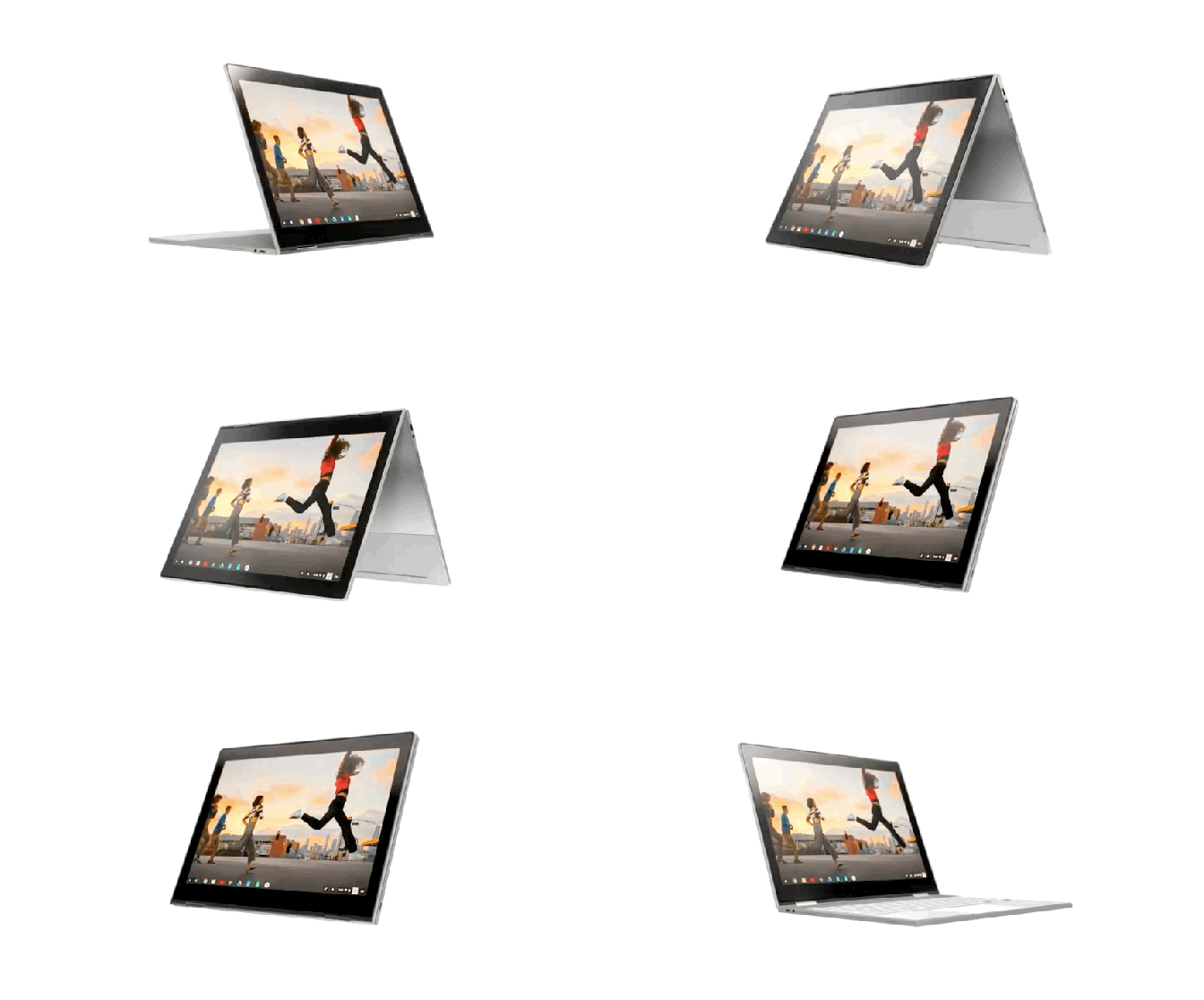


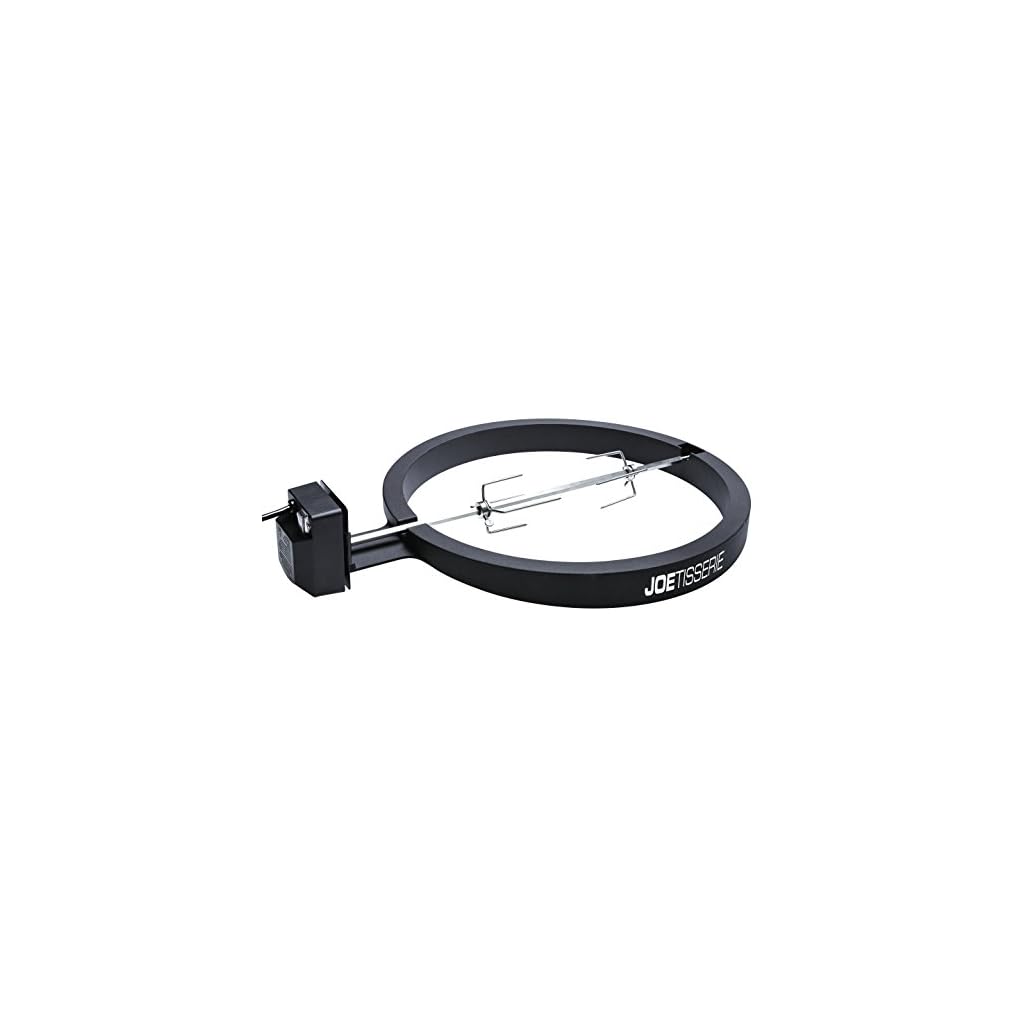



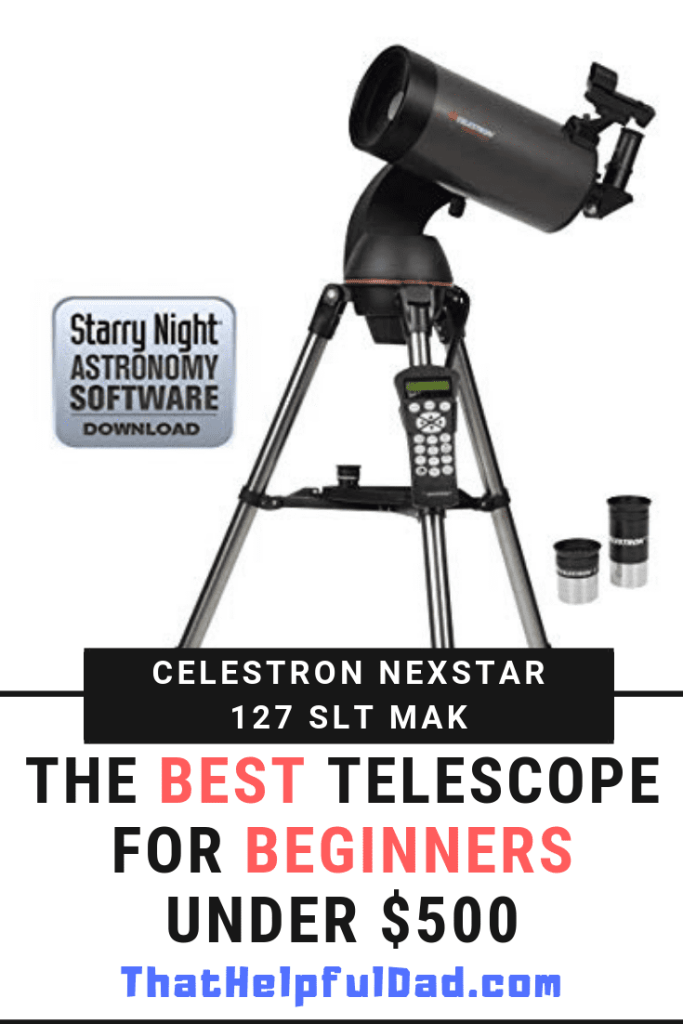

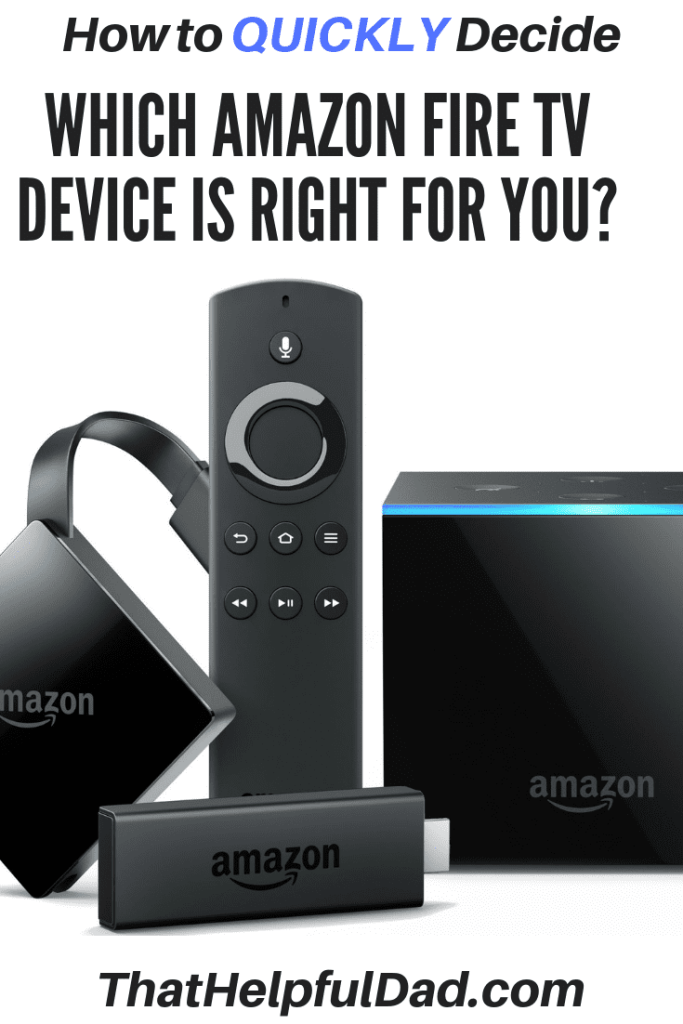






 That Helpful Dad