If you’re a fan of home cooked meals that are easy to make and taste delicious, you’ll enjoy today’s tip – a recipe for healthy Chicken Breast in the Slow Cooker by our friend Clara Holtz of the TheFryerHouse.com.
Slow Cooker Chicken Breast
Editor’s Note: This article is written by Clara Holtz – a part-time guest blogger and administrator of TheFryerHouse.com. Clara and the team at TheFryerHouse.com work to provide honest and accurate articles and reviews on all things relating to Airfryers. ThatHelpfulDad.com is happy to be able to share Clara’s recipe with you today. I enjoyed reading her recipe and felt like I was transported into her kitchen as she was making this dish. Keep up the good work, Clara.
Clara Holtz
Introduction
Knock! Knock!!
Wait, don’t open that door! You could get a pie your face! 🙂 Instead let’s get straight to the kitchen so that we can get something amazing done today.
Let’s use our slow cooker and make an easy and delicious chicken breast recipe.
I love to cook my chicken breast in broth in a slow cooker. Why? Because no significant culinary skill is required and and using a slow cooker makes sure the meat is evenly cooked. As a matter of fact, I like cooking my chicken breasts in broth in my crockpot before any other thing. I often use my slow cooker to cook my butchered chicken breast meat for 4hrs-6hrs, depending on the time frame I prefer for that day.
The result of making chicken in the slow cooker? It’s awesome and my children love to eat it — that makes me happy too because I know this recipe is healthy for them.
The Setting
Gone are the days that my family and I slave over our stove to make dinner. Now, I prefer my slow cooker because it’s safer and I can multitask (that means more time with family and friends). Just set the preset on the crockpot and let it work it’s magic. What could be easier?
Letting our crockpots work their magic
You do have a crockpot, right? I’m sure you do but just in case you need a new one or you’re looking for some top-notch features, check out these picks from Amazon…
What’s great about slow cookers like this is that they’re well built, have loads of presets to make cooking easier, and can be operated intuitively. Just be sure to read the manual so you understand how to use your crockpot safely. Once you know how to operate your slow cooker, you can preset the functions, and take a break with your family and friends.
But enough about crockpots – let’s get to the recipe!
If you make this dish, I know you’ll enjoy it. You won’t believe how easy this recipe.
Are you ready? Oh yeah, let’s do this!
Preparation
First of all, we need to make sure the kitchen is sanitized including the cooking utensils (let’s keep our family safe, right?).
Next, let’s take a look at the ingredients….
Slow Cooker Chicken Breast Recipe Ingredients
3 lbs of chicken breast meat.
2-4 tablespoon of butter.
¼ quart chicken broth
2-3 pinches of salt.
½ teaspoon onion powder
½ teaspoon of garlic
¼ grounded pepper.
Pinch of paprika
sprig of rosemary to garnish
Slow cooker.
Tip: The amounts per seasoning are a guide – if you like more bold flavors then double the amounts of onion and garlic.
Once you have these ingredients, it’s time to take our focus to this super easy preparation process.
How to Prepare Slow Cooker Chicken Breast Recipe
1-Rinse the chicken
Would you like to sear the meat before or after you cook it in the crockpot? You can do that if you prefer, but it’s not really necessary, however I do recommend that you rinse the meat first. Here’s what I do to ensure my chicken is cleaned…
Pour the meat in an empty bowl, take the bowl to the faucet, and while the water is running, pick up each of the chicken breasts and use your fingers to remove any stuck on blood or other bits you want to remove. Then pat dry.
2-Preparation & Seasoning
I properly arranged the meats in the crockpot then fill the crockpot with the seasoning ingredients. I make sure that the seasonings are mixed around and then I add the chicken broth. (As an alternative, I also sometimes steam the chicken breast with the seasoning in the slow cooker for about 30 minutes before I add the broth. Both ways are fine and I encourage you to experiment to see which you like better). Most of the time I add the seasoning, chicken, and broth all at the same time and that’s what we’re doing today.
At this point I’ll add in the butter. I think you need at least 2 Tablespoons of butter, although I prefer to use 4 tablespoons (and sometimes even more – ssshhhh!).
There is just something about butter and what it does to your cooking. Do you know what I mean?
BTW, if you use margarine, write me a comment below. I would love to see what you have to say and don’t forget to tell me how you make your dish magical.
With your ingredients added, it should look something like this.
Chicken Breasts in the Crockpot
3-Cooking in the crockpot
The aim is that never overcook the chicken breast. So put this into consideration whenever you’re setting the time for your slow cooker.
Avoid timing it for a long period of time unless you want the meat to be overly juicy because you’re looking to shred it for a particular dish. Personally I like to serve these chicken breasts whole so my family and I don’t cook it too long.
Usually I set the time to 4 hours.
Important tip: one thing I don’t do is continually opening the cover of the slow cooker. This will let all the steam escape and ruin your cooks. It’s ok to check once or twice but I’d rather wait until the time elapsed and let the slow cooker work its magic.
Once the time is reached, I then check the meat by stirring the chicken breasts so as to ensure that the flavors are evenly distributed.
4- The Final Evaluation – Does the Family like it?
As the cook, before you serve this dish, you’ll want to check that the chicken breasts are up to your preferred temperature (165F) and then taste the meat (and that lovely broth) to decide if you’ve hit the mark. You may need to add some salt to taste, drizzle on some EVOO, or perhaps add a sprig of rosemary to garnish like in my pic above.
Once you open the lid of the crockpot I’m sure your family will notice the aroma – it’s sure to steal the show!
After you’ve cooked your chicken breast to your satisfaction, scoop the meat out (with that broth!) and serve it with your favorite sides. (Might I suggest some green beans along with some air fried potato wedges?)
Conclusion
Wasn’t this recipe easy? Definitely!
Best of all, if you don’t finish all the chicken for dinner, you can store in the refrigerator – that means another meal is already done. Bonus!
Another tip: if you are storing the chicken for later, I’d recommend you separate out the broth – you can use it later for all kinds of soups and to flavor other side dishes.
Well, what are you waiting for? Go make the recipe for easy slow cooker chicken breast, then come back and and let me know what you think. I’ll be looking forward to seeing your comments.
~Clara
What’s That? You Need a Slow Cooker?
If you’re in the market for a new crockpot, check out these highly-rated picks on Amazon…
Here at ThatHelpfuldad.com, my readers know I try to share practical solutions to real life problems. Today’s tip is along those lines – if you often find yourself wanting an easy to use, low-cost cordless screwdriver then I’d recommend you get the Black+Decker 4V Max Roto-Bit Electric Screwdriver.
Why do I recommend this RotoBit? Because it’s easy to use, charges quickly, holds a charge long, and is super cheap. That’s a ‘quad-fecta’ anyone would like, right?
Here’s a quick vid so you can see the little Roto-Bit in action…
Black+Decker Roto-Bit 4V Max Screwdriver
See the RotoBit on Amazon
What about that Weird Handle?
I wasn’t sure if I’d like the ‘gun handle’ format of the RotoBit but I gotta say that, after using it, I totally love it. This gun handle grip makes is comfortable to hold AND I can get a bit of extra power behind when I driving in a screw.
The RotoBit Screwdriver comes with 8 Bits that store INSIDE the handle
Roto-Bit Description
Here’s the official description from Black+Decker “The BLACK+DECKER 4V Roto-BIT Storage Screwdriver features 4V Lithium power that holds a charge up to 18 months. This screwdriver has a rotating bit cartridge that stores bits and provides easy accessibility – and also includes 8 bits for a wide variety of tasks. An on-board magnet holds extra screws, freeing up your hands for other tasks, and it has an LED light which illuminates your work surface. Backed by BLACK+DECKER’s 2 year warranty.”
Like I said above, it holds a charge for a loooooong time!
Will this Roto-Bit change your life?
Probably not. This isn’t deep, life-changing wisdom today and it sure ain’t rocket science, but hey, if you need an electric screwdriver that offers a good price to value, then you can’t go wrong with this one.
As I always say on this blog, I’m just an Average Joe like you, but when I find something that works I wanna share it with my friends. If you have a similar product you like better let me know in the comments. Thanks
Foosball is a game that hooks you as a fan from the first time you play it. Do you remember your first time? Was it playing foosball at a local sports bar, or perhaps with your buddies in college, or maybe it was way back when you were still a kid and you got lucky enough to find an open table while you’re grandpop was up at the bar getting ‘one for the road’ (if you grew up in the 70’s you know what I mean). Somehow, somewhere, you found foosball and you’ve been loving it ever since.
“Friends” Season 1, Episode 12 – Monica Rules!
So now you want to get your own foosball table and share the experience with your friends and family. The problem is that there are so many options and you don’t know where to start, right? That where we can help. At ThatHelpfulDad we provide honest reviews about family friendly products.
What you’ll find here are our recommendations for the best foosball tables for any budget: from first time foosball starter tables perfect for kids, through classic looking models designed for that game room you’re designing, all the way to more rugged commercial grade models, outdoor models that can withstand the elements, and even a semi-pro model.
We’ve got a pick that’s perfect for YOU. So let’s go.
In a Hurry? A Summary of Top Picks
If you don’t have time to read this entire article and just want to know the models we’re recommending, this list will help. Each of these selections are either well-known brands, consistently highly recommended models, and/or highly rated (4+ stars) on Amazon – many of these picks meet ALL 3 of those requirements. As always, we want to be disclose that we are an official Amazon Affiliate and you can learn more about this on our Trust Guarantee Page.
[amazon table=”9407″]
[amazon table=”9409″]
Best overall value for the money for MOST people/situations
KICK 55″ Legend Foosball Table. This model is great for most situations – it’s durable, has a classic wood style, comes from a well-known brand, is consistently highly rated, offers counterbalanced men, the ability to change player configuration (including using just 1 goalie), and even comes with a lifetime warranty (at last check). For the price you can’t go wrong here – click here to see the Kick on Amazon now.
Best Foosball Tables for Any Budget – Full Article
For the Noobs – What is Foosball?
Foosball is essentially a table top version of what the rest of the world called ‘Football” and the US “Soccer.” The goal is to get a small round ball into the net (i.e. the ‘goal’) of your opponent, thus scoring a point for your side. You move the ball by using a series of knobs attached to long tubes which run are inserted into the small game players that ‘kick’ the ball across the table. Whichever side scores the most goals wins. Here’s a popular YouTube video so you can see for yourself…
How to Play Foosball Vido
Why is the game called “Foosball?”
A quick history lesson – the game of foosball was invented in Spain in the 1890s (at least according to Wiki) and first patented by an enterprising Brit name Harold Thornton in 1921.
So why is it called “Foosball” – because pretty much everyone else in the world calls the game the US knows as ‘soccer’ by the name of “Football.” To capitalize on the popularity of this sport, the story goes that Thornton simply morphed the name of his game by 1 letter – by replacing that ‘t’ with an ‘s’ a new legend in arcade and bar gaming was born!
How to Shop for a Foosball Table
Before you spend any money on a new foosball table you’ll want to answer these questions:
1-What’s your budget?
There’s no sense even looking at high priced models with all the bells and whistles if you’re budget is less than $1,000. HOWEVER, that doesn’t mean you still can’t get a great table.
Let’s keep this simple (assuming you are playing indoors, don’t have many requirements in terms of special features, and have the space to fit the following tables) then…
You want a traditional standalone model at this price point, get the Hathaway Playoff 4′ Foosball Table. BTW this model is awesome for kids and adults just starting out. It’s well made, fun to play, and has held up well for my kids over the years.
If you can swing the $600-ish, you can’t go wrong with our overall best value for the money table with the KICK 55″ Legend Foosball Table.
If you have more than $600 to spend, then keep reading because other factors will matter.
2-How big is your space? Are you playing outdoors? Etc.
If you need/want to be mobile and transport the game around from room to room, you’ll want a tabletop model. Again we go back to the Roar and Rally tabletop foosball model.
If you don’t have the space for a full size model (56″), then go with a smaller version such as Kick 55″ or the Hathaway 48″.
If you want a full size table with ‘regulation’ dimensions then you’ll want to look for a 56″ (length) x 30″ (width) x 36″ (height) model. The Tornado Sport Foosball Table is a great example in this class.
WHO are you buying for and what’s the expected level of usage?
If you’re buying this for your kids and/or it’s your starter table, why spend a bunch of money, just go with the Hathaway 48″ if money is tight or the Kick 55″ Legend Foosball if you want a bit more in terms of durability, features, and overall appearance.
If you’re buying for a man cave or game room set up, then appearance and budget will matter. In this case, you’ll need to answer the other question on this list to decide.
Foosball Tables are a must for your ‘well-equipped’ Game Room
Features related to materials of the cabinet, playing surface, and overall design/appearance may or may not matter to you and will likely be directly related to your intended use, the room you’re putting it in, and your budget. Here’s some things to consider:
Cabinet Materials – you’re looking at solid wood or steel for the high end tables, MDF/composite for mid-range models (which is most models), or particle board (think IKEA) for lower end tables. For most people, it will be MDF/composite which is a fiberboard that is highly common in mid-range furniture and sports equipment and gets coated on the outside to be transformed into the desired appearance. It’s not rocket science here and I wouldn’t get hung-up on this too much…
Just accept that cabinet material it’s basically budget-dependent and spend your decision-analysis time on other factors.
Playing surface – unless you’re looking for a semi-pro or competitive level of foosball table, most people don’t need to worry about this either. Common surfaces for playing on are melamine or laminate. Both are smooth and fast and will meet the intended use of most players. Laminate over solid wood is a higher end option and unlikely to be needed by the general public. That said, if it’s on one of the tables you’re looking at, go for it.
Rods & Grips – This one does matter.
Don’t buy a table with plastic rods and tiny grips unless your budget won’t budge.
Ideally you can get steel rods with grips that fit adult hands (assuming you’re buying for adults) and with grips that don’t keep popping off (read Amazon reviews to see if this is a complaint). This shouldn’t be a problem for the tables on our recommended list but if you deviate pay attention to rods and grips.
Most tables will have steel rods with decent grips and you’ll be fine.
If you’re looking for competition play or higher end models, look for hollow rods – the lighter weight vs traditional steel will give slightly faster spin which equals more power on your shots. Hollow rods may offer slightly more durability too – assuming you are not overly rough with them.
Design – if you’re going for a certain ‘look’ then obviously this will quickly narrow your choices.
If you want that ‘arcade’ feel I’d direct you back to the ESPN arcade foosball table.
If you want a great looking classic model with a wood cabinet then get the Kick Legend or Tornado Sport.
If you want space-age and the budget allows go for Garlando G-5000.
Garlando G-5000
Are you looking for certain ‘Special Features?”
Now we’re getting into minute details that will mostly only apply to higher end users.
Do the # of Goalies matter to you?
Many of the basic tables will have 2 or 3 goals on the back line – that’s fine for most people
But if you want more of a challenge, or you’re playing for certain tournaments you’ll likely want a table with 1 goalie or a table that allows you to change the configuration.
For most players this may seem ‘duh, that’s obvoius’ but if you’re buying a table for kids or families pay attention.
What we’re talking about here is how the rod extends through the cabinet – specifically into the OPPONENT’s side. As you play the game, you’ll be pushing and pulling on the rods on your side and if you don’t have telescoping rods, then for every action you take on your side to push/pull, it will cause that same reaction into your opponents area (i.e. your rods will push into or be pulled out of the opposite side). If you have younger kids near the table and they don’t know to be aware of their opponent’s rods coming at them, this could lead to a dangerous poke.
Telescoping rods will slide into a casing on the opposite side so the rod doesn’t extend into the opponent area – poking problem solved.
Do you want the ability to Change Players/Configurations?
Basically do you want to be able to remove the rods to change out the players/teams to something different (say the Manchester United Team or the national team of your choice) and/or change configuration/placement of players on the rods?
This is a cool ‘nice to have’ feature and will really help to make the table your own personal masterpiece if that’s something you’re in to.
Here are some examples of what’s available by way of player type or team customization….
This one is kind of obvious – you need to have a level surface on which to put your foosball table. If it’s not level, you’ll want to be able to level it out.
Most tables give you some type of level levelers so I wouldn’t spend a lot of time here. Just confirm your table has this feature – again most do.
Do you want a specific kind of Ball Return?
Does it matter to you where does the ball go after a goal is scored? This feature is is ‘ball return.’
Your options for ball return are back end return, single side return, or dual side return.
Most tables will have back end return (basically when a ball goes through the net it will end up on the back of the table in front of the player who just gave up the goal. That’s fine for most people’s needs.
More competitive players will want SIDE RETURN.
This is especially useful for people that practice by themselves (after all you don’t want to keep walking around the table to the other side to get the ball do you?)
That’s why higher end and top of the line tables have side return – some even have DUAL side return.
Do you want Specific Dimensions?
if you have restrictions on size, you’ll want a certain size so pay attention to the dimensions when you shop.
if you’re looking for tourney play, you’ll need to pay closer attention to dimensions of the table (again look for 56L x 30W x 36H).
For most people, it will simply be a matter of making sure the table will fit AND that you have enough room on EACH SIDE for the rods to be pulled all the way out.
Most people won’t need to worry about this feature but serious foosballers will care about it.
Basically this situation occurs when the head AND the foot of the foosball player is balanced with equal weights – the benefit of this is that you can set your normally VERTICAL players into a STABLE HORIZONTAL position to open up pathways for passes and shots. If you play a lot, you’ll know the importance of this because it allows you to keep your front lines open WITHOUT having to hold onto the handle – the result is faster passing without obstruction, and more goooooooaaaaaals!
Do you want a foosball table Certified for Tourney Play?
if you want a table that is ‘tourney’ certified, that means you’ll need to look for specific dimensions (56L x 30W x 36H). Don’t mess around here, just go for one of these two and play on!
Get your own foosball table, practice your skills, and before you know it, this could be you…
An unstoppable Foosball Shot?
Best Foosball Tables for every budget – The Tables
Here’s a final recap of our best foosball tables for every budget, every situation….
[amazon table=”9407″]
[amazon table=”9409″]
Best Foosball Tables – Conclusion
Well, friends, that was our list of the best foosball tables. Did we miss a foosball table or brand that you really like? Do you have one of these tables and want to share your thoughts? Let us know what you think in the comments below.
Stranger Things Season 3 has come and gone with a BANG worthy of its July 4th Debut, as Netflix dropped the entire season (8 episodes) on the holiday and gave Stranger fans like my friends and I a chance to binge to our hearts content. If you’ve completed the season already, you’re surely experiencing a sense of What’s Next? Euphoria as, in true Stranger Things fashion, Season 3 flayed our minds with ever more possibilities of what could happen in the future as this popular franchise races into the unknown.
Stranger Things 3
In this article, we’re going to give you 10+ questions to ponder coming off of ST3 as we try to help get you through the void of waiting till Stranger Things 4 arrives (and right now it seems only the Mindflayer knows when that might be).
SPOILER ALERT! This article is intended for viewers who have already completed the entire Season 3 of Stranger Things. Nearly every question on our list contains a SPOILER. Please do NOT read this article if you don’t already know what happens! You’ve been warned.
10 Unanswered Questions about Stranger Things 3 – Do YOU Know the Answers?
BONUS – you can WATCH this article as a video is you prefer – here’s our YouTube vid about all these questions…
Still reading the old school way?
That’s cool. Then let’s start with the most obvious question (and again this is a MAJOR spoiler so stop reading NOW if you haven’t watched the ST3 Episode 8 season finale called “The Battle of the Starcourt Mall”)…
Question 1 – Did Hopper really die?!?
There’s no sense making you wait for us to ask this question. It’s the #1 question on the mind of very Stranger Things fan as we all saw Hopper’s Indiana Jones-esque fight seen with that Terminator-looking Russian named Grirogi where our favorite Hawkins lawman vanquished his season 3 nemesis but had to sacrifice his own chances for escape in order to allow Joyce a chance to destroy the Russian’s interdimensional portal opening device before the Red troops barged in and foiled their plans. If a single picture speaks 1000 words, how many does this gif say?
Sacrifice
Oh what might have been for Joyce and Jim, right?
And yet, is it really over for Hopper? If you watched past the credits for the episode 8 finally then you’ve also seen this little nugget.
If so, how did the Hawkins’ sheriff get all the way to the Gulag?
Did Jim get thrown by the explosion into some hidden corner of the lab and wake up later to the discovery that he’d been captured by Russian? But then why didn’t the US Troops who raided the Russians’ secret lair beneath the Starcourt Mall find Hopper instead? And just how did the Russians secret Hopper away?
Or did Joyce’s explosion of the portal-ripping device cause Hopper to be somehow be shifted through space (and time?) to Russia?
Or do the Russians have another interdimensional machine that was somehow connected to their device in the US that provided a portal through which Hopper (and anyone else who was present) in the portal room when the device exploded were magically transported to Russia?
Remember Murray was the third wheel to Joyce and Hopper as the trio infiltrated the Russian base beneath the Starcourt Mall. Murray’s ability to speak Russian and his causing of distraction to the guards was critical to the mission’s success. Yet while Joyce and Hopper completed the goal of blowing up the the portal opening device, and while we saw Joyce escape, and Hopper perish (or did we?), we never saw what happened to Murray.
Did Murray escape with Joyce? Was he captured by Russians who escaped with him and took him back to a prison in the gulag? Did the US Black Helicopter troops take Murray into custody instead? Just what happened to our boy Murray? We don’t know. That means he could be the American as well.
And then there’s Murray’s voicemail – perhaps the biggest easter egg from ST3 that’s been discovered so far.
You can actually call Murray’s Number – Try it!
Call the number and you’ll hear what Murray Bauman’s voicemail says…
“Hi, you have reached the residence of Murray Bauman. Mom, if this is you, please hang up and call me between the hours of 5 and 6pm as previously discussed, ok? If this is Joyce, Joyce, thank you for calling, I have been trying to reach you. I have an update. It’s about, well, it’s probably best if we speak in person. It’s not good or bad, but it’s something. If this is anyone but my mother or Joyce, well, you think you’re real clever, getting my number, don’t ya? Well, here’s some breaking news for you: You’re not clever. You’re not special. You are just simply one of the many, many nimwits to have called here, and the closest you will ever get to me is this prerecorded message so at the beep, do me a favor and hang up and never call here again.”
That voicemail would seem to indicate the Murray is NOT the American because he’s still in the US. Then again, it could all be a ruse, right?
So could the American in Russia be someone else instead? There are other theories that the American is the long-lost Barb, or Joyce’s old beau Bob, or that perhaps the Russians discovered another child like El with superpowers capable of communicating with the demigorgon.
Alas, we just don’t know and in spite of all our theories or what Stranger Things actors like David Harbour may tease, we’ll never know until ST4 drops.
Meanwhile…let’s move on. After all, that was only Question 1!
Question 3 – Relationships: Who’s In? Who’s Out?
ST3 was a whirlwind of relationship madness. What’s up with…
Joyce and Hopper?
El and Mike?
Max and Lucas?
Steve and Robin?
Dustin and Suzie?
Nancy and Jonathan?
Will and ??
Obviously we all wanted to see Joyce and Hopper finally get together.
Will this ever happen?
It seemed like this just might happen (as they finally made plans for a formal date in episode 8 with a Enzo’s redux), but unfortunately Jim’s ‘situation’ at the end of the season put a bit of damper on things – being dead or stuck in a Russian prison are both not very conducive to dating. And so we wait.
Meanwhile, after starting ST3 constantly lip-locked (much to Hopper’s chagin), El and Mike spent most of the season ‘on a break’ after Max helped El realize there was more to life than Mike. Leading to this rather famous GIF…
Although they made up by episode 8, it’s clear that Mike and El are growing apart and when he didn’t take the olive branch from EL’s I love you, AND given the little fact that El moved away to God knows where with Joyce’s family, we have to wonder if El and MIke are done?
Lucas and Max’s on-again-off-again relationship still seems strong, and among everybody on this list, they’re probably the most sure-thing as a couple – of course given the fact that they’re also the only ones who actually live in the same town doesn’t hurt.
Meanwhile there’s Steve and Robin – and it’s complicated. After first be introduced to Ethan Hawke’s daughter Maya as the new Robin character, we watched as the actress quickly integrated herself into the cast as a new fan favorite and then we spent the whole season watching Steve and Robin (seemingly) flirt, develop an amazing rapport, and grow closer through a series of shared stress and trauma.
We saw the climax of Steve finally realizing and admitting his feelings to Robin on the floor of a bathroom stall at The Starcourt and yet Steve’s hopes did NOT lead to the first kiss we all thought was coming.
Steve: “I love you, Robin.” Robin: “I love girls.”
Instead Robin took the moment to deliver one of the shockers of the season – in spite of her obvious attachment to Steve, Robin actually likes girls. Kudos to the writers of ST3 for giving us a twist nobody saw coming.
That said, Steve and Robin clearly have an affinity for one another and even if it’s just as friends, let’s hope their ‘relationship’ continues.
That brings us to Dustin and Suzie.
Suzie and Dustin
Dustin endured an entire season of laughs behind his back from his friends as clearly not a single one of them really thought that “Suzie from Camp” actually existed. While most fans believed that Suzie probably did exist and that the ST3 directors were waiting for an opportune time to reveal her, nobody could have guessed that Suzie would be revealed in such dramatic fashion – becoming the key to solving the riddle that led to the climax of entire season. (For more on this, see question 6 below). Suzie rocks? Literally!
But will Dustin and Suzie’s love survive even with the help of high powered ham radios? 10-4, good buddy.
Next we have Nancy and Jonathan. Outside of El and Mike, Nancy and Jonathan have the longest running love story on Stranger Things.
Nancy and Jonathan – will it last?
We watched the seeds develop in ST1 and their love bloom in ST2, however in ST3 things faltered. Like many young couples they experienced the hardships of trying to find their way in the harsh realities of a cruel world (jobs aren’t easy, money is tight, and the every day realities of relationships are not always easy). Their story line played second fiddle the entire season but they both played key roles at crunch time – joining the rest of the gang of kids and doing battle against Russians, Billy, & even the Mindflayer.
When it was all said and done, Nancy and Jonathan remained together.
That’s until Jonathan decided to leave with Joyce and the rest of the family to who knows where.
Now presumably over 18 and free to go where she pleases, we have to wonder why didn’t Nancy go away with Jonathan? Or perhaps he didn’t invite her?
Can their love survive? Or will young hearts move on?
At last we come to Will. For the first time in two seasons, Will didn’t spend the entire season in the (Upside Down) and instead got to live among his friends. Unfortunately for him, while Will still wanted to dress up and play D&D his buddies had other things on their minds (girls!).
The innocence of Will continues to be destroyed.
Thus, once again, Will was on stuck in his own world without his friends. Kind of sad really. For a character that’s endured so much attacks on his childhood innocence, to see it continue to be destroyed is heartbreaking.
Question 4 – Did El really lose her powers?
Fighting against the Mind Flayer and it’s minions for three seasons takes a toll. Does this look easy?
El battles a monster… again.
By the end of season 3, El couldn’t even move a small teddy bear.
Are El’s powers really gone?
Will El ever get her powers back?
If not, how who will protect humanity from The Mindflayer?
Can El get her powers back? Does her relationship with Mike help or hinder this? Will Hopper’s death or return make a difference? What do YOU think?
Question 5 – Is Billy really dead?
Dacre Montgomery as Billy was downright awesome. He was a fan favorite for many reasons…
The ladies loved Billy
In ST2, Billy was a minor problem. In ST3, the Mindflayer took full control of Billy and used him as a pawn to lead an army of The Flayed in an effort to take control of our world.
All season, Billy tormented the Stranger Things cast. But in the end, Billy turned out to be a hero – standing up to The Mindflayer and protecting the kids when all hope seemed lost. For this he paid the ultimate price.
Could Billy possibly have survived this?
Although it’s unlikely, given the death, we have to wonder – could Billy possibly have survived? Hey, maybe Billy is the American in the Russian prison?!? I haven’t seen anyone talk about that yet? Maybe the Mindflayer sucked out his soul and transported him through an interdimensional portal to Russia? Hey, stranger things have happened, right? (You see what I did there? haha)
Question 6 – Was The Neverending Story the Highlight of Season 3?
C’mon, admit it. You loved the Neverending Story montage song, right?
As someone who grew up in the 80’s, I remember the story of Atreau and the Luck Monster vs The Nothing. Was the movie cheesy? Sure. Did I watch it every time it was on? Well, let’s not get carried away.
But the point is that I had no idea that Suzie and Dustin would use the Neverending Story song to unleash the secret to the Russian key code (it was Planck’s Constant) that would allow Joyce and Hopper access to the area where the interdimensional portal device was located.
And it was awesome!
Everybody is singing The Neverending Stoooooooorrrrrryyyy!
Question 7 – Who is the REAL Monster?
OK, let’s get real – we’ve now seen three seasons of The Mindflayer and it’s minions. Although the demogorgon was absent from ST3 until the very end, we were treated to The Mindflayer and some crazy mix of fertilizer + body parts….
The Mindflayer
The Fertilizer Monster
Eventually both were vanquished.
Yes we saw the demogorgon in that famous end scene in the Russian prison. But still, one has to wonder, how much mileage does the Mindflayer and its minions have for audiences? Is there more to the Mindflayer? Is there another ‘monster’ behind the monster?
For that matter, has anyone ever thought to ask if perhaps the Mindflayer is actually nice? Maybe it’s a case of Androcles and the Lion – where the lion had a thorn in his paw and he was mean because his paw hurt? Or maybe the Mindflayer is like one of Asimov’s characters in The Gods Themselves and is looking for resources he can’t find in his dimension?
Maybe the Mindflayer just wants to borrow a cup of sugar? 🙂
Or maybe the Mindflayer isn’t the real monster at all?
Maybe it’s the Russians?
Or maybe it’s a US Government Conspiracy?
Or maybe it’s the Illuminati?
Hey, you never know? But it’s gotta be something more than just The Mindflayer, right? What do YOU think?
Question 8 – Where are Joyce and The Byers and El moving away to?
If you watched episode 8, after all was said and done, we saw Joyce packing up the U-Haul and all the kids saying goodbye.
It’s time to go
The way everybody was talking it sure seemed like it was a FAR AWAY move. So where the heck are they going to? Any ideas?
Question 9 – Is Camp Know Where the ‘must-have’ merch of Season 3?
Every season we’ve had some must-have item, right? First it was the Hawkins High T-shirts. Or Hopper’s Sheriff’s hat. Then it was Dustin’s red, white, and blue hat from ST2. But what about this year?
Or do you think it’s Steve and Robin’s Scoops Away costumes?
What’s YOUR vote?
Question 10 – WHEN will we see Stranger Things Season 4?
This is the most important question right?
If you recall, Stranger Things Season 1 came out mid-July 2016.
And Stranger Things Season 2 was late October, 2017.
We had to wait nearly 2 years until Stranger Things Season 3 was released to the fireworks of a July 4, 2019 debut.
So when will we get Stranger Things Season 4?
I’ve gotta give some credit to my wife on this one – she picked up on a possible Easter Egg in that final scene with Mike and El…
Did Mike gives us a clue to the release of Stranger Things Season 4?
In this scene, Mike talks about how far away El is moving (but not where!) and during the conversation he says how they might see each other at THANKSGIVING or CHRISTMAS.
Could we get a holiday release for Stranger Things 4?
ST4 Thanksgiving 2020?
ST4 Christmas 2020?
When do YOU think ST4 will drop?
Sadly, we’ve reached the end of our Stranger Things debate. But the story doesn’t have to end here – be sure to let us know what YOU think about these questions or anything we might have missed.
Meanwhile, if you enjoyed this article, please share it with you friends. You can use the pin or the vid to share…
Investing is a concept everyone should know about but few actually take the time to understand. In this Guide to Investing we’ll talk about basic investing concepts like Stocks and Bonds, Risk, and Portfolio Management, but we’ll also delve into advanced concepts such as Cryptocurrencies, Options, Commodities, and more. The goal of this article is to give you a basic understanding of the topic of investing and provide you with quality references to learn more — to that end you’ll find links to videos, books, and other quality websites that can help you expand your education on this important topic.
Table of Contents
(This list is long. Skip ahead to the sections that interest you).
Disclaimer
Know the Risks
Develop YOUR Personal Trading Philosophy
Investing in Bonds (Intermediate)
Investing in Commodities (Intermediate)
Cryptocurrencies (Intermediate)
ETFs & Mutual Funds (Beginners & Intermediate)
Investing in Gold and Silver (Beginner & Intermediate)
Investing in Options (Intermediate)
Getting Started in Stocks (Beginners)
Day Trading vs Swing Trading
Dividend Investing
Fundamental Analysis
Roboinvesting Services
Technical Analysis
Value Investing
PIN ME to Save for Later
Editor’s Note from That Helpful Dad: This article is written by Michael Thomsett – one of the most-published authors in the world on the subject of investing and options trader.
Michael Thomsett
Michael Thomsett has been actively involved in the investment world for over 40 years and has published countless books on finance and investing. At ThatHelpfulDad.com we’re thrilled to be able to showcase some of Michael’s work for you and hope you enjoy learning from him.
Perhaps most importantly, Michael Thomsett has been a friend and mentor to That Helpful Dad for over a decade. My life has been improved from Michael’s wisdom and I hope yours will be too.
DISCLAIMER – all the information you see here is for educational purposes only. Neither Michael Thomsett nor anyone at ThatHelpfulDad.com is recommending you make any investments based on what you read here. Please consult with a licensed financial advisor before you make any investment decisions.
Where people invest and how they choose products, determine to a large degree whether the investment program they use will succeed or fail. With so many investment plans to follow, you may select a low-risk or a high-risk portfolio, or attempt to balance the two.
Risk is the core concern that most people need to pay attention to, and unfortunately, this is one aspect of investing most often ignored. The tendency for many is to focus on the potential rewards of a particular course of action, but to overlook the serious risks that are unavoidable. That’s a problem – and that’s where we can help.
This article includes discussion and brief introduction of many investment topics – with an eye on risk.
The first step in accomplishing your investing trading goals is to know the risks and the attributes of each type of investment.
This guide to investing introduces many of the most popular types of investments and their risk; but this guide is only a starting point. By researching further using the links we recommend, you will gain an understanding of both rewards and risks, and start the journey toward control of your investment dollars.
Being aware of risk applies equally to new AND experienced investors.
Are there blind spots in your assumptions?
Have you beaten the odds so far and overlooked risks to which you are exposed?
Everyone can review their portfolio, range of products and underlying assumptions to improve their positions and maintain control over exposure to risk – and the knowledge you gain here will help you.
To learn more about how Risk affects your investments, here are some links to check out.
The typical “crowd mentality” of the market is reactive and emotional.
The tendency is for many people to buy into the market as it reaches a top and to sell as the market reaches a bottom.
The prevailing emotions of the market are GREED and FEAR. Consequently, rather than following the advice to “buy low and sell high,” the majority of traders tend to “buy high and sell low.”
A better approach to investing that has proven itself over time is “buy and hold.”
How does The Buy & Hold Strategy work? A strong company is identified, and its stock is purchased and held indefinitely. Many decades ago, “buy and hold” was the most popular strategy. The average holding period for stocks was 8 years. With the introduction of the Internet, trading became easier and cheaper, and the buy and hold concept fell out of favor. Today, the average holding period of stocks is a matter of a few months rather than of years.
Another way to think about when (or if) to buy and sell stock is based on whether you give in to the crowd mentality dominated by emotion, or use cold logic and reason. A contrarian investor is not merely a person who contradicts what most people do; the contrarian makes decisions based on analysis and reason, and ignores the emotional tendency to make decisions at the wrong time (buy high, sell low).
Bottom line: don’t fall the crowd!
Get some basic education. Here are some of the best all-time books for basic understanding of investing – these will help you develop a trading philosophy build on WISDOM.
I-How to Invest in Bonds (For Intermediate Investors)
What is a Bond? A bond is called a debt instrument. When you buy a bond, you are lending money to the issuer (government or corporation). The issuer promises to repay the bond plus interest on a predetermined schedule, including interest. Bonds can be bought directly or through an income mutual fund.
Who sells Bonds? Issuers include the U.S. government, state governments and agencies, and local agencies raising money for infrastructure projects. At first glance, a bond might seem like a fairly straightforward idea. The issuer promises to repay and gives bondholders first priority, meaning they will be repaid before stockholders and others in the event the company goes out of business. Bonds are all rated by one of the major rating services, including Standard & Poor’s, Moody’s, and Fitch.
How are Bonds rated? A highly-rated issuer offers investment grade bonds and ratings are AAA or Aaa. Investment grade has several tiers of ratings. Below investment grade are speculative bond issuers, rated Ba1 or BB+. The highest-risk investments, bonds most likely to go into default, are rated C or D. Many bond investors overlook the risks in picking bonds, even junk bonds (likely to default) because the interest rate is higher than average. But this is a mistake.
Bonds carry Risk too
How much to Bonds cost? Bonds may be available at any time at face value ($1,000 for a $1,000 bond) or at a premium or discount. When the interest rate offered on a bond is lower than current market rates, the bond will be available at a discount. For example, if a bond is at 98, it has been discounted two points. A $1,000 bond can be bought or sold for $980. When the interest rate is higher than current market rates, a bond is sold at a premium because the higher rate makes it desirable. A bond listed as available for 103 has a 3% bump, so a $1,000 bond can be bought or sold for $1,030.
How do you buy Bonds? Bonds may be purchased directly or as part of a mutual fund or ETF. For those investors requiring their money be managed professionally, a bond mutual fund is the most sensible way to go, versus figuring out how to buy a bond directly.
II-Investing in Commodities (For Intermediate Investors)
What is a Commodity? Commodities (also called futures contracts) are agreements between potential buyers and sellers to fix the price of a future trade. The most widely traded commodities are in the energy market. Futures also are traded on agricultural products, currency rates, interest rates, metals and many more.
How does a commodity investment work? A commodity buyer agrees to a specified price for a known quantity of a commodity, and seller agrees to provide that price for the goods involved. The origin of commodities is in the agricultural markets. Farmers used to take significant risks deciding what to grow, because the future market prices might not be high enough to produce a profit. As a result, commodities fixed the future price so that growers would proceed with some certainty that their crops would sell at a high enough price to justify selecting one crop over another.
There are a wide variety of commodities to trade
Today, the commodities contract has become much more than just a future price guarantee. As a leveraged contract, the market includes many speculators on both the buy side and sell side. Anticipating the direction of price movement, a buyer would expect a contract to increase in value and a seller would expect it to decline. So whether trading in corn, soybeans, frozen orange juice, gold, treasury securities, or oil and gas, the commodities trader often is not a true trader in the underlying commodity but in the contract itself.
Just as options have standardized terms, so do futures. Terms include the underlying commodity, the amount covered by each contract, the grade or quality if applicable, and location for delivery upon exercise. Trading of futures contracts occurs at a commodity exchange. High-volume exchanges include the Chicago Board of Trade (CBOT), parent company of the Chicago Mercantile Exchange (CME), New York Mercantile Exchange (NYMEX) and Commodities Exchange (COMEX).
Commodities trading is expensive and demands a high level of skill and knowledge. For this reason alone, most individuals will not want to directly deal in buying and selling contracts, but will prefer to trade through a commodities-based mutual fund or exchange-traded fund. The top ETFs specializing in commodities is one place to begin searching for as way to trade in this specialized field. More traditional mutual fund investors can also select funds specializing in commodities. Investors can also buy shares of companies that produce and market commodities (energy, agriculture, mining, etc.).
III-Cryptocurrencies – The Future of Investing? (Intermediate Investors)
Bitcoin, Litecoin, Ripple, Ethereum, and more.
Did you realize how many different cryptocurrencies there are now?
Perhaps the most misunderstood investment is also the newest. Cryptocurrency demands a complete explanation and summary in order to understand exactly what it is and how it works.
Who invented Cryptocurrency? Crypto’s were introduced in 2008 with Bitcoin, invented by Satoshi Nakamoto. He described this as a “peer-to-peer electronic cash system.” This involved creating a decentralized digital system. Previous efforts at setting up a digital currency had all failed. Any monetary system is based on accounts, balances and transactions. In traditional banks, assets are insured and kept safe physically.
The challenge to a digital money system is keeping non-physical value safe from theft or hacking. Without the server or bank to provide this, every participant has to ensure safety and protection for themselves.
Cryptocurrency solves this problem.
It requires a database in which not just anyone can change value or enter transactions. This actually is the same requirement for a physical bank account, but it is done digitally.
How does it work? Those acting in the crypto network sets up a record of all transactions. The peer-to-peer (p2p) technology is based on a public key cryptography, an announcement of transfer in value. For example, one person transfers Bitcoin to another and a public key announces the transfer. It’s that simple. But if you are the owner of cryptocurrency, how is your ownership protected? This is accomplished through coding and encryption.
Cryptocurrency is nothing more than a digital currency, competing with the physical currency everyone recognizes. However, because these currencies are transacted all around the world and traded with high volume, the actual value changes daily. Many have speculated and have seen values rise and fall rapidly.
Is investing really this easy? No!
Crypto is not only a currency, but a system.
It changes in value so it is also speculative in many respects.
But as more companies begin accepting crypto as payment for services, it will gain in public acceptance. Growing pains for this new industry were obvious, for example when in January, 2018, the North American Bitcoin Convention would not accept Bitcoin for payment of registration fees.
What is a Mutual Fund? Mutual funds are organizations that invest for thousands of individuals. Funds are combined to create portfolios and are managed professionally. Selection of investments is based on the stated purpose of each fund (income, growth, aggressive growth, safety, etc.).
The size of a mutual funds varies. As of 2018, the biggest mutual fund is operated by Vanguard, and reports assets under management of $657 billion. This company manages several mutual funds and other types of accounts. But is bigger always better? With such a large presence in the market, a large fund cannot move quickly. If they want to dispose of shares in one company, doing so all at once would negatively impact share prices; as a result, a large fund is forced to buy and sell in smaller increments than they might want to otherwise.
What is an Open-Ended Mutual Fund vs a Closed-End Mutual Fund? This is an example of how an open-ended fund works. That means there is no limit on how much is placed in the fund. A closed-end fund, in comparison, sets a limit. You can buy shares in a closed-end fund over a public exchange, and the value of shares is a reflection not only of how well the fund has performed, but on how many people want share.s The supply and demand affects the asset value.
How do Mutual Funds Perform vs the Stock Market? Performance is measured by net return. Mutual funds, on average, yield less than the average of the overall market. Timing of decisions is one cause of this; another is a requirement that a portfolio on assets must be kept in cash, so that when shareholders want to cash out, funds are available for prompt payment.
How do Mutual Fund Fees work? Funds are further analyzed by what they cost. A complex array of fees may be charged. The most common is a load fee, which translates to a commission for salespeople who direct their clients to a fund. The load may be as high as 8.5%, meaning that out of every $100 invested, $91.50 goes into the mutual fund and $8.50 goes to the salesperson. The argument is that you pay an expert to direct you to the best funds, but in fact, funds you can buy directly — no-load funds — may perform as well and sometimes better than a comparable load fund.
Beyond the load are many other fees and costs. All funds charge a management fee to pay the professionals who make portfolio investment decisions. Many funds charge a fee to promote the fund to more investors, and calculate many other fees as well. Making valid comparisons is a challenge. The Financial Industry Regulatory Authority can help. FINRA) offers a free calculator to make comparisons accurately. This is a great tool for anyone considering investing in a mutual fund.
What is an ETF vs a Mutual Fund? One alternative to the traditional mutual fund is the exchange-traded fund (ETF). This is a mutual fund that comes with a predetermined basket of securities with something in common. It is fixed and does not change. The typical basket may consist of stocks of companies in one industry, in a country, or by levels of market risk. Some ETFs are based not on stocks, but on debt securities like bonds of countries or regions, or on the currency exchange rates of a region.
What are the benefits of an ETF vs a Mutual Fund? The ETF automatically diversifies a portfolio, which is a positive aspect of selecting an ETF. But it also tends to average out to the net returns (profits or losses) of all components in the basket. For many, the ETF is not as effective as a traditional mutual fund. However, whereas mutual fund shares can be bought or sold only directly with the mutual fund’s management, the ETF is traded on the public stock exchanges, so trading is easier and more immediate. ETF investors can also trade options on the fund rather than buying shares, or as a way to hedge market risk of ownership in the ETF.
Why are gold and silver worth money? So-called “precious metals” have a few attributes in common. As far as their value goes, it is their rarity that matters. Utility is a second key attribute. God, silver and many other precious metals are used in coinage, jewelry, medicine and dentistry, research and many types of construction. The third attribute is perception. Throughout history, discoveries of gold, for example, have caused gold rushes. Although few people got rich in these fevers, the perception was that anyone going to the area (whether Sutter’s Mill in California or the Klondike in Yukon Territory, Canada, hundreds of miners .lost their entire fortune and even died, while those who supplied shovels, pans, tents and other equipment often were the primary beneficiaries of the influx of people.
Austin Power Goldmember
Gold is rare.
All of the known gold in the world would only fill 3 1/4 Olympic-sized swimming pools.
While this might seems like a small worldwide supply, platinum is ever rarer.
All of the known platinum in the world would fit into one of those pools and cover only two to three inches.
Silver is less rare but widely used in many fields, notably coinage and jewelry. Its per-ounce value is much lower than gold’s but it remains a popular item for speculation, in the form of coins and silver bars.
How do you invest in precious metals? You can buy the actual physical metal in the form of bullion. Or as an alternative to investing directly in physical gold and silver, or buying shares of mining companies, many people today prefer to buy shares of ETFs that track the value of previous metals. The most popular of these are SPDR Gold Trust (GLD) and iShares Silver Trust (SLV). Shares of both can be purchased on the stock exchanges during trading hours, and both offer options in addition to purchase of shares.
VI-Investing with Options (Intermediate and above)
What are Options? One of the most complex of investment vehicles is the option, an intangible contract that provides its owner the right to buy or sell 100 shares of a stock or other security. Terminology is a particular challenge for anyone new to options, and levels of risk must be fully understood before anyone trades in options. Options trading can be high-risk or extremely conservative, depending on which of the dozens of strategies is selected. But it doesn’t have to be this risky – if you equip yourself with a big of knowledge, options trading can actually help you reduce stock market risk dramatically.
Here is a basic summary of how options investing works: There are two types of options. Calls give their owner the right (but not the obligation) to buy 100 shares of a particular stock, at a fixed price and by or before a known date. Puts give their owner the right (but not the obligation) to sell 100 shares of stock.
The fixed price specified by the option is called the strike. This is the price per share an option holder can get when buying (with a call) or selling (with a put) 100 shares of stock.
The stock or other security is called the underlying and this is the security for which 100 shares per option can be traded.
Every options has a limited life. Its expiration is known in advance, and with monthly options it is the third Saturday of expiration month, which may be one month away or as far away as 30 months.
These are the four “standardized terms” of every option. The type of option (call or put), strike, underlying and expiration and fixed and cannot be changed. Collectively, they determine the value of an option, called its premium and this changes as the value of the stock rises or falls and as expiration date approaches.
What is an option ‘premium?’ The value of premium is divided into three parts. Intrinsic value represents the number of points that an underlying is above the strike of a call or below the strike of a put. Time value varies based on the time to expiration, and it declines as expiration approaches, ended up at zero by the point of expiration. Extrinsic value (also called implied volatility) is the ever-changing value of the option based on the trading range of the underlying stock. This has to be estimated because it attempts to guess the future value of an option based on the price behavior of the underlying, and this form of value is where all of the uncertainty and unknown factors are located.
Options trading techniques
The potential of options as a trading device is rich and flexible. Options can be bought or sold as speculative moves or as highly conservative ways to hedge market risk.
The most obvious form of trade is the long option, the purchase of calls or puts. A trader buys a call in the belief that the underlying price will rise above the strike, and will buy a put if the belief is that stock prices will fall.
Beyond buying long options, traders cal also sell short options. In this trade, the option is sold as an opening transaction and bought as a closing transaction. Instead of the familiar buy-hold-sell series of transactions, short options are traded in reverse, or sell-hold-buy.
Long and short options can be combined as well. In trading multiples of options, the spread is a trade in which two options are bought or sold at the same time,. A vertical spread has the same expiration but different strikes. A horizontal spread (also called a calendar spread) has the same strike but different expirations. A diagonal spread has different strikes and expirations.
The straddle is the purchase or sale of a call and a put with the same strike and expiration date. This can be varied with a strangle or one of several synthetic strategies.
The full range of possible variations in trades is complex, and rules apply for levels of collateral traders must maintain when selling options.
Basic options education
The process of learning about options is complex and demanding. Basic education can be gained from basic options books and online resources. The Options Industry Council (OIC) is the industry’s training and education website. It provides basic and advanced online courses helping traders to learn all about options. The Options Clearing Corporation (OCC) supports the OIC and is the clearing organization for options trades. Another resource for education is the exchange set up specifically to trade options. This is the Chicago Board Options Exchange (CBOE).
Beyond these industry associations, many other sites offer exceptional educational links, many of which are free.
What is a stock? The stocks of a corporation represent part ownership. With a company’s total worth in the millions or billions, large ownership would be possible for only a small number of exceptionally wealthy people or companies. However, anyone can buy stock in a company in the hope that its value will increase over time.
Stocks are listed on public exchanges like the New York Stock Exchange (NYSE) and NASDAQ.
Stock Trading Techniques Most people who buy stocks enter long positions. This means they buy.
The sequence of a typical trade is buy-hold-sell.
If the timing is right and the price per share rises, shares can be sold at a profit. If the share price declines, stock can be sold at a loss or held in the hope that price will rebound in the future.
Some traders believe the price will fall, and they enter a short position. This is the opposite, selling shares in the hope of a lower future price, when the shares can be bought and the position closed. The net difference between a higher short position and a lower long position will be the net profit. The risk of going short is that the stock price could rise, meaning the short seller could lose. This is a complex and risky way to trade. The first step is to borrow shares from the broker and then sell them. The broker charges interest for as long as the shares remain open. The trader has to not only benefit from a declining price per share, but also pay for interest and trading fees.
As an alternative to shorting stock, traders can also buy puts. The maximum loss on a put is limited to the premium paid, versus unlimited losses on short stock. If the stock price falls, the value of the put increases. For every point the stock falls below the put’s strike, the put will gain one point of value. However, puts expire in the future, so buying puts is a fight against time in two respects. First, when expiration occurs, the put will be worthless. Second, as expiration comes closer, the time value of the put declines with increasing speed.
Stock buyers and sellers may rely on the fundamentals (financial strength and earnings power) of a company. Or they may rely on technical analysis, the study of price trends and volatility as well as changes in volume, moving averages and momentum.
How to Invest in Stocks
How do you select a company as an investment? There are thousands of companies with publicly traded stock, ranging in price from a few pennies to thousands of dollars per share.
This daunting task is made easier with the application of a few principles. Most first-time stock investors may begin by identifying value investments. These are companies whose stock is priced at a bargain level, but whose dividend yield is attractive. Other criteria may be applied as well, usually based on strong fundamental indicators. Knowing future growth of a company and its stock value is never easy, but clues may be found by identifying a short list of companies with strong indicators in a few areas: growth in revenue and earnings, dividend yield and growing dividend per share, and strong or improving cash flow (management of cash coming in to the company versus cash going out).
A company should be able to compete strongly within its sector. This does not mean they must be the strongest company, but they should be able to claim and keep a decent market share of a finite population. Companies failing to keep up with changing technology and market preferences will not be value investments as their frame becomes obsolete. For example, why have most book stores gone out of business? Why is Sears closing stores and heading for bankruptcy? Did did big companies like General Motors and Kodak lose their markets? They did not keep up with changing market conditions and consumer preferences.
Selecting a stock should be based not on current fads but on how strongly the company has built a base for competing in the market and controlling its costs. A well-managed company will be able to identify what consumers expect, and anticipate what this will look like in the future. As long as management is able to see ahead, growing stock prices follow.
This is the best way to pick stocks: Identify well-managed companies that compete strongly within their sector, and control costs to generate profits and cash flow.
One popular way to trades in shares of stock is through day trading and swing trading.
What is Day Trading? Day trading is a system of entering and exiting positions within a single day. The day trader believes that holding shares between sessions is high-risk because prices can change while markets are closed. This form of trading also avoids the rule of margin and collateral imposed by federal law and brokerages. Because margin is always based on value at the end of the trading day, the day trader is not required to post margin at all. The end-of-day balance is zero, even if the day trader has been involved in a high dollar volume of short trades.
What is Swing Trading? Swing trading is substantially different than day trading. It involves holding open positions for a limited time, normally between two and five days. A swing trader tends to make decisions based on logic and observation, versus the more common emotional tendency of many traders. When an unexpected event occurs (like an earnings surprise), the stock price tends to move in an exaggerated fashion. The swing trader looks for this and recognizes the opportunity to enter a position, knowing that the exaggerated price move tends to self-correct within one to three days in most cases. This practice — timing trades logically rather than emotionally — is called contrarian investing, and is the most successful form of swing trading. This also requires the ability to recognize reversal signals and confirmation.
So what is a dividend? As Investopedia notes, “A stock dividend is a dividend payment made in the form of additional shares rather than a cash payout. Companies may decide to distribute this type of dividend to shareholders of record if the company’s availability of liquid cash is in short supply.”
What is a Dividend Achiever? The most basic form of this is to pick stocks with exceptionally high dividends, notably those whose dividends per share has been increased every year for 10 years or more (these are called dividend achievers). Such stocks tend to perform above average in the market in terms of growth in value over time. In selecting high-dividend stocks, traders may also rein vest dividends in additional partial share purchase, rather than taking a cash payment. This sets up a compound return on the dividend yield.
Beyond picking high-dividend stocks, some traders time share purchases to earn the quarterly dividend. Buying shares immediately before ex-dividend date and selling shares on or after ex-dividend date, sets up the earnings of a quarterly dividend even though shares are held for only a few days.
A dividend capture strategy is an expansion of this strategy. A trader buys a call and exercises it right before ex-dividend date, buying 100 shares (hopefully for a price below current market price). Once the dividend is earned, shares are sold. The quarterly dividend is earned even though the holding period was very brief. This can be repeated with different companies every week, meaning that instead of earning the stated yield, dividend income is increased substantially.
All of fundamental analysis is concerned with interpretation of financial strength. This includes the trend in revenues and earnings; dividend payout and yield; price/earnings ratio; long-term debt and total capitalization; and many more indicators.
The proponents of technical analysis study charts and try to anticipate how prices will move next. Although this is a valid part of overall analysis, it is not a matter of one or the other. Both fundamental and technical signals can and should be evaluated together.
History has shown that although there may be a lag between financial reporting and price behavior, strong fundamentals tend to lead directly to strong technical signals and price behavior. The fundamental measurement is financial information should not be performed only at one moment in time. It is more meaningful when studied as part of a fundamental trend over several years. A fundamental analyst looks for consistency: growing revenue and earnings, steady net return (earnings divided by revenue), consistent price/earnings ratio, growing dividend payment, steady dividend yield, and flat or declining long-term debt to capitalization ratio (the portion of capitalization represented by debt rather than equity).
What is Roboinvesting? Any automated or automatic form of investing can be classified as roboinvesting. The minimum level of human involvement in making decisions is the most important attribute to this strategy.
A new field has emerged to address this trend. Robo-advisors are financial advisors who refer clients to investment choices or who provide financial advice along these lines. A roboinvestment is based on application of computerized math or algorithms rather than on either fundamental or technical analysis. Dozens of individuals and firms have begun advising clients to invest in this manner. Based on risk profile of a client, the advisor will highlight stocks, commodities, mutual funds, ETFs, real estate and other investment choices. The ETF market is a prominent choice within this market.
For investors who doubt the value of personal advice and analysis, roboinvesting may be a viable system. However, the debate between human intelligence in decision making, versus automated and math-based selection of investments, continues. There are two attributes of the decision worth considering. First is the value (or flaw) in human intelligence. Second is the reliability of automated systems to properly identify opportunities and to highlight them.
In technical analysis, a trader studies price patterns and trends. The purpose is to identify opportunities to enter and then to exit a trade and generate a net profit.
Fundamental analysis focuses on financial information and competitive strength of a company; technical analysis is based on the study of stock prices.
Price indicators come in many forms. Two major classifications are Western and Eastern indicators. Typical Western indicators include double tops and bottoms, head and shoulders, gaps, and movements above resistance or below support. Eastern indicators come in dozens of formations, and also are called candlesticks. The candlestick chart is the most widely used form today, consisting of a series of sessions revealing direction of price movement, range of prices during a session, and opening and closing prices.
Patterns may indicate reversal and continuation. A reversal pattern appears near the top of an uptrend (bearish reversal) of the bottom of a downtrend (bullish reversal). Continuation patterns are used to indicate that the current direction of price movement will continue.
Both reversal and continuation patterns should be confirmed by a second pattern forecasting the same price behavior to follow.
Beyond price-specific indicators, technical analysis involves the study of volume, moving averages and momentum.
When volume is unusual or exceptional, it may forecast reversal. There are several volume indicators, but the strongest and most visible is the volume spike. This is a single or double session of unusually high volume, and an immediate return to more typical volume levels. Volume spikes are seen when strong reversal is indicated by a price pattern.
Moving averages are lagging indicators. When used to anticipate likely price movement, the application of two moving averages is useful. Typical in this form of analysis is a 50-session moving average and a 200-session moving average. Another form of moving average is the Bollinger Bands indicator. It consists of three bands. The middle band is a simple moving average of 20 periods. The upper and lower bands each are two standard deviations away from the middle band. The range created by the upper and lower bands define the likely trading breadth, and when price moves above the upper band or below the lower band, it invariably turns and moves back into range within a very short time period.
Momentum oscillators measure the speed and strength of a trend, regardless of direction. As momentum increases, the current movement is expected to accelerate as well. When momentum reaches a plateau and weakens, it anticipates reversal in the near future.
Indicators appearing close to resistance or support are the strongest, and if price violates these trading range borders, reversal is most likely. This is especially true if price moves through resistance or support with a strong gap. Gaps are likely to fill immediately after they appear.
A value investment is defined in several different ways. For most people, it means a stock at a bargain price, available below the intrinsic value of the company. For other investors, a value investment is one managed exceptionally well, competitively strong, and paying a higher than average dividend.
Value investors tend to be conservative and to seek consistency and quality. In comparison, a growth investor is one seeking rapid appreciation in stock. Although this occurs in some cases, growth stocks tend to be higher-risk, so a growth investor is more likely to be a speculator.
These terms are not absolute. Both value and growth investors may find a mix of stocks for their portfolio. A balance between value and growth is one form of diversification. For many investors, this is a wise combination of attributes for a stock portfolio.
If you’re looking for honest reviews about the best snorkel masks for kids and families this article and video can help you. We’ll demo three different types of snorkel mask sets and give you our reviews and recommendations on the best snorkel mask sets for kids and families.
Share this pic with a friend so they can read this article too
Whether you live in Florida like us and can go swimming all year round or whether you’re looking for a snorkel mask set because you’ve got a beach vacation, cruise trip, or just planning to spend time in the backyard pool, this review can help you. In our video we’ll demo and review a snorkel mask with fins, a full face mask snorkel mask, and even a snorkel mask set for toddlers too.
Best Snorkel Mask Demo and Reviews
In this video you’ll see demos of 3 different kinds of snorkel masks. You’ll also get the perspective of Jax (9 years old), JeeHo (4 years old), and me (let’s just say 40+ years old – haha).
Video Table of Contents
Use these links to skip ahead in the vid
Jax Demo of Full Face Snorkel Mask: 0:40
Jax Demo of Toddlers Snorkel 01:40
Jax Demo of Snorkel Set with Flippers 02:20
Toddler Demo of Kids Snorkel mask 03:23
Dad’s Demo of Full Snorkel Set with Fins 03:58
Dad’s Demo of Full Face Snorkel Mask 05:00
Dad’s choice of products and WHY 5:35
Jax’s choice of products and WHY 06:40
Dad’s further thoughts on the Full Face Mask 07:51
What Makes a Good Snorkel Mask?
Here’s what we looked for in deciding what type of snorkel mask to buy:
Is it easy to breathe? One of the things I love about the US Divers Full Face Snorkel Mask is that you can breathe through your nose AND your mouth. This provides awesome flexibility and makes it more comfortable to snorkel underwater without coming up for a break longer. That means more underwater sights to see!
Is it comfortable? If the snorkel mask straps are too tight or don’t feel right, or if the snorkel mask itself rubs your face the wrong way then you won’t want to wear it very long.
Is it easy to adjust? Let’s face it, you WILL have to fiddle with strap on your snorkel mask. Knowing that, you’ll want to pick a snorkel mask whose straps are easy to move. This is especially true on snorkel masks for kids.
Can you see good under water? Kind of important, right? I mean obviously you want a snorkel mask that allows you to see good – but that’s easier said than done. If you choose a mask that fogs up too easily or has a limited view, then you won’t see much. That’s another reason why I am a fan of the full face snorkel masks. You can see so much so clear!
Is it a good value for the money? When we’re trying to find the best snorkel masks for kids and families, we’re clearly NOT looking for ‘professional’ models. With that in mind, we want something that is easy on the pocketbook. Pretty much everything you see on the page should be in the $25-50 price range.
We chose the US Divers Brand and we are really pleased with this brand. In my opinion the US Divers Brand offers some of the best snorkels masks for kids and family, however let’s face it, there are other options.
Here are some lists of highly rated snorkel sets currently selling on Amazon for you to check out.
Well, what’s it gonna be? Did you make a choice on the best snorkel masks for YOUR family? If so, let us know in the comments below – especially if there is a set you really liked.
If you are looking for recommendations on some of the best books about investing for beginners, then this article is for you. We’ll give you 10 recommended books about investing that are perfect for those new to investing in the stock market. Use this as a buying guide to begin building your financial literacy library.
Description:
“The greatest investment advisor of the twentieth century, Benjamin Graham, taught and inspired people worldwide. Graham’s philosophy of “value investing” — which shields investors from substantial error and teaches them to develop long-term strategies — has made The Intelligent Investor the stock market bible ever since its original publication in 1949.”
If you are a beginning investor and have only 1 book to buy, this is the one you need.
Description:
“The Little Book of Common Sense Investing is the classic guide to getting smart about the market. Legendary mutual fund pioneer John C. Bogle reveals his key to getting more out of investing: low-cost index funds. Bogle describes the simplest and most effective investment strategy for building wealth over the long term: buy and hold, at very low cost, a mutual fund that tracks a broad stock market Index such as the S&P 500.”
Description:
“Warren Buffett is the most famous investor of all time and one of today’s most admired business leaders. He became a billionaire and investment sage by looking at companies as businesses rather than prices on a stock screen. The first two editions of The Warren Buffett Way gave investors their first in-depth look at the innovative investment and business strategies behind Buffett’s spectacular success. The new edition updates readers on the latest investments by Buffett. And, more importantly, it draws on the new field of behavioral finance to explain how investors can overcome the common obstacles that prevent them from investing likeBuffett.”
Description:
“Many investors, including some with substantial portfolios, have only the sketchiest idea of how the stock market works. The reason, say Lynch and Rothchild, is that the basics of investing aren’t taught in school. In Learn to Earn, Lynch and Rothchild explain in a style accessible to anyone how to read a stock table in the daily newspaper, how to understand a company’s annual report, and why everyone should pay attention to the stock market. They explain not only how to invest, but also how to think like an investor.”
Description:
“Ray Dalio, one of the world’s most successful investors and entrepreneurs, shares the unconventional principles that he’s developed, refined, and used over the past forty years to create unique results in both life and business—and which any person or organization can adopt to help achieve their goals.”
Description:
“In a time of increasing inequality, when high-frequency traders and hedge-fund managers seem to tower over the average investor, Burton G. Malkiel’s classic and gimmick-free investment guide is now more necessary than ever. Rather than tricks, what you’ll find here is a time-tested and thoroughly research-based strategy for your portfolio. Whether you’re considering your first 401k contribution or contemplating retirement, this fully-updated edition of A Random Walk Down Wall Street should be the first book on your reading list.”
Description:
“In the world of investing, slow and steady wins the race. With this mantra in mind, trusted author and finance guru Eric Tyson is back with the latest edition of the #1 bestselling book, Investing For Dummies, to help you achieve your investment goals. Inside, he offers time-tested advice on how to develop a winning investment strategy that matches your abilities with your expectations — all the while ensuring you’re slowly and steadily growing your portfolio.”
Description:
“Whether you’re a complete investing novice or just confused about all the contradictory advice out there, A Beginner’s Guide to Investing is an accessible guide to growing your money the smart and easy way. Throw away the get-rich quick schemes that never work and turn off the financial news and it’s constant noise. Whether your dream is protecting your assets in a turbulent market or growing your wealth so that you can retire in style, this book is the blueprint.”
Description:
“An up-to-date guide to the complex world of equities. Getting Started in Stock Investing and Trading walks investors and traders through the essential information they need to know before they decide what kind of participant they want to be in equities. The book is filled with the key strategies and tools and offers a comprehensive guide for those entering this marketplace. The author does not argue that one method is better or more appropriate than another. Rather, he reveals the various methods and lets investors decide for themselves. The book covers investment risks, value investing, market strategies, trading methods such as day and swing trading, technical indicators, and diversifying your portfolio.
Description:
“Investing means different things to different people… and there is a huge difference between passive investing and becoming an active, engaged investor. Rich Dad’s Guide to Investing, one of the three core titles in the Rich Dad Series, covers the basic rules of investing, how to reduce your investment risk, how to convert your earned income into passive income… plus Rich Dad’s 10 Investor Controls. The Rich Dad philosophy makes a key distinction between managing your money and growing it… and understanding key principles of investing is the first step toward creating and growing wealth. This book delivers guidance, not guarantees, to help anyone begin the process of becoming an active investor on the road to financial freedom.
Get Wisdom BEFORE You Invest
If you’re a beginning investor you may be overly anxious to invest in order to take advantage of the power of compound interest and to ‘get in the game,’ however without the wisdom to invest wisely you may end up just throwing your hard earned money away.
As King Solomon warned in Proverbs 19:2 “Zeal without knowledge is not good; don’t be hasty and miss the way.”
Are you shopping for a video doorbell? Do you have it narrowed it down to either the Nest Hello or one of the Ring Video Doorbells? Are you stuck trying to decide which is the best video doorbell?
If you answered ‘yes’ to these questions, then this article is for you. We’ll give you all the key tips you need to make a decision in the battle of Nest vs Ring!
Table of Contents
Video Doorbells from Nest and Ring – Available Options
Key Tips for Deciding between Nest vs Ring
Links to Learn More
Editor’s Note: TheMoneyCraft.com is a companion site of ThatHelpfulDad.com. We’re pleased to be able to share TMC’s great content with our readers too.
Current Options for Video Doorbells
We’re not going to spend a lot of time in this section describing all the features and benefits of the video doorbells from Nest and Ring because that info is readily available elsewhere and if you’re reading this article, it’s likely you already know all the basics about the products and instead are looking for the tips you need to make a buying decision. However, we still need to at least clarify the products being discussed in this article.
Here are the video doorbells we’re talking about – click on the pics to learn more about each one.
Ring Doorbell V1
Ring Doorbell V2
Ring Doorbell Pro
Nest Hello
Ring Doorbells vs Nest Hello – How to Decide?
This is the KEY section of this article. Use these questions to make a final decision as to which video doorbell is best for YOUR family.
Is PRICE your #1 deciding factor?
If so, the decision is easy. Pick the Ring Video Doorbell V1 – it’s usually $99 or less which is far less than the other options. The Ring Video Doorbell V1 will give you most of the key features of the other options.
Is VIDEO CLARITY important?
Although the Ring Video Doorbell V2 and Ring Video Doorbell Pro offer 1080P HD Video, many reviewers and consumers have found that the Nest Hello’s HDR video is actually superior to the Ring Models. If Video Clarity is most important to you, then pick the Nest Hello.
Do you need Easy Installation WITHOUT Hardwiring?
If your current doorbell is not hardwired (i.e. connected to electrical wires) and/or you don’t want to hardwire your video doorbell, then you will NOT want to choose the Nest Hello or Ring Doorbell Pro because both of these require hardwiring. If you’re looking for a simple plug and play option – choose the Ring Video Doorbell V1 or Ring Doorbell V2 – both offer the option to use either batteries or hardwiring.
Is Night Vision Important?
Do a search for “Night Vision Nest vs Ring” and you’ll see lots of examples of how Nest offers superior night vision video. If this is important to you, pick the Nest Hello.
Is a Video Cloud Storage Service Pricing Important?
Ring has the edge here in terms of price and storage. Ring starts at $3/month and gives you up to 2 months of storage, while Nest’s plan (called Nest Aware) starts at $5/mo and only 5 days of storage. Both can be upgraded for more cameras and longer times, but in general Ring is the lower cost option. In this case, choose any of the Ring options.
Is Smart Home Connectivity Important?
This was the most important deciding factor for my family. Since we had multiple Google Products and the Nest Thermostat and other connected smart devices, the Nest Hello was the best choice for us. However if you are an Amazon family with Echos and Alexa devices then get one of the Ring devices.
Yes it’s true that you can (currently) use Nest Hello with Alexa-enabled devices, and Ring video doorbells with Google Assistant devices, don’t forget the Nest is owned by Google and Ring is owned by Amazon and these two giant companies don’t get along.
You’ll get the easiest compatibility and most features if you pair your Nest with Google smart devices and your Ring with Amazon Alexa devices.
Where to Buy the Nest Hello or Ring Video Doorbell
Because of the Amazon vs Google battle, you can’t get the Nest Hello from Amazon, but you can find it at the Google Store, Best Buy, Target, Walmart’s Jet.com, and more.
The Ring is even easier to find – all 3 Ring video doorbells are always available on Amazon. You can find them at Best Buy and other stores, too, however the best prices are on Amazon so check there first.
Best Kamado Grill Tables – Unless you built a custom kitchen and had a stand-alone kamado installed, I’m guessing that when you first bought your Big Green Egg, Kamado Joe, Primo, or similar kamado-style grill you probably got it ‘in the nest.’ That was fine for awhile, but now I’m guessing you’ve discovered the nest just doesn’t give you enough work space to grill like you want to. Am I right? You probably also want something that looks a bit cooler too. Are we on the same page yet? And maybe you want something that has a bottle opener so you can drink a few brews while you’re grillin’. Sound about right?
@ Posh Patios – Gotta love those waterfall additions!
OK, so maybe you don’t need the waterfalls, but you get the idea…
Why do you want a Kamado Grill Table?
A table for your kamado will give more space to cook, more space for your accessories, more space for everything!
We’re Here to Help
On this page we’re going to recommend kamado grill tables for every budget.
You don’t have to spend thousands to get a great table for your kamado – you just have to know what you want.
Here’s how we’re gonna break it down.
[lwptoc]
Easy Share this image to Facebook or Pinterest
All of the tables on this page are high quality items, but there is one caveat…
Be sure that you confirm that the kamado you have (ex. Big Green Egg Large or Kamado Joe Big Joe II) will actually fit the table you order. You’ll usually see this in the product description or else in the Q&A with the manufacturer. It’s not hard to verify – just take the extra 5 minutes and do it so you can buy with confidence.
I. Best Kamado Tables for < $750
Let’s face it, owning a kamado and being able to afford all the accessories you want is enough to bankrupt anybody, right? So if money is a bit tight, you might think you can’t afford a kamado table – think again. Here are some great options for really affordable prices.
In fact, our #1 most-recommended option is actually in this price range!
If you want a metal or stainless steel cart…
If money is really tight, you might consider the Titan Great Outdoors kamado table – if your kamado fits, this could be a nice option to get more space. This table is made from aluminum.
Most custom kamado grill tables are made from wood (usually cypress, pine, or cedar). Prices go way up depending on how you want to customize things, but for most people (especially if this is your first kamado table), we think the JJ George Kamado Tables are a cut above the rest. Most of the JJ George kamado tables are:
Made from red cedar wood;
Already coated with clear spar-urethane coat so they’re ready for years of outdoor use.
Come equipped with caster/wheels so you can still move them around.
Consistently highly rated on Amazon.
Made in the USA
These 5 features are sometimes hard to find on kamado tables for twice the price – yet JJ George kamado tables include them standard. Better yet, JJ George has custom kamado tables pre-cut for most major kamado brands. And some of their tables even include a free cover – that’s about a $50-100 value depending on the size of the table and one less thing you have to worry about.
Because of all these features, we believe the JJ George Kamado Tables are the best value for most people who don’t need a lot of customizations.
Here are some examples our favorite JJ George kamado tables…
Click the pic to learn about the Big Green Egg Kamado Table by JJ George
Now you can finally have a custom table for your KJ Junior!
JJ George Kamado Joe Junior Cart
II. Best Kamado Tables for $750 – $1500
In this price range we’re now talking about tables that are sometimes more costly than the kamado grill itself. That’s a problem for most people, however if you have the money, the benefit of spending a bit more is you’ll usually be able to…
Get more customization options (doors, handles, logos, inlays, etc)
Get a larger size table
Have a wider variety of woods to choose from.
Have it delivered already fully-built.
Get that bottle cap opener!
Up in this range, you may benefit from checking Etsy – you’ll find a lot of woodworkers there who are doing some cool things with kamado tables. The three big names on Etsy for kamado tables are RusticWoodWorx, Mr2WoodWorking, and McVeyMadeWoodWorx.
I’ve personally purchased from RusticWoodWorx and I can tell you they do quality work. Ask for Janet and tell them “Mike Stoppa sent you.” Here’s one of the tables they did for me…
Mike’s KJ Table
The great thing about buying on Etsy is that you can do LOTS of customization. The bad thing is that it will cost you quite a bit, it will take a bit of time, and you’ll also probably have to pay $200-500 in shipping or more. But, if you can afford it, you’ll likely love it.
Meanwhile, if you don’t need something quite as macked out as Etsy offered and/or you don’t want to wait a month to get it, then consider these options from Amazon…
If you want a Stainless Steel Table…
RMP has a couple in this category. They are as follows (with the main difference being the upper work space)…
Alternatively, if you are looking for something a bit more permanent and perhaps designing a BBQ Island, you may want a kamado sleeve. If so, the Blaze Brand kamado sleeve is a quality option.
If you’re a big spender and/or want lots of customizations and/or you just have a larger grill (read Kamado Joe Big Joe, Big Green Egg XL, Kamado Kamodo, etc) then this is the category for you.
I’m going to again refer you to Etsy because you’ll find some great work in this price range, but if you wanna buy something faster here’s one from Amazon…
Outside of that, if you’re going to spend this much money, you may want to just design an outdoor kitchen and/or island grill station. Check out our giant selection of Island Outdoor Kitchens here…
More Kamado Accessories
Well, that about wraps up this article. If there’s a custom kamado table we missed that YOU really like, let us know in the comments below.
Meanwhile, here’s a couple more articles you may enjoy…
Kamado Grill Cookbooks – this page features our Top 10 recommendations for the best cookbooks for your kamado, whether you own a Big Green Egg, Kamado Joe, Primo, or similar kamado style grill. You’ll find our picks for people who are new to the world of kamado cooking as well as other books we believe are great for more experienced users – in short there is something for everyone. So who’s hungry for some knowledge? Cookbook-style!
Best Kamado Grill Cookbooks for BEGINNERS
Cooking on your kamado grill can be a zen-like experience (or) it can be super frustrating – this usually depends on if you know what you’re doing.
The fact is that there IS a learning curve with your kamado grills and the sooner you realize this the faster you can advance through it.
These following three books are not just awesome cookbooks from a recipe standpoint but they’re actually great ‘user manuals’ that will help you learn the craft of kamado cooking faster.
If you own a BGE, you may want a Big Green Egg specific cookbook. Eric Mitchell’s Smoke it Like a Pro (above) has a BGE focus but if you may also like…
AFTER you’ve checked out the recommendations above (which also have some great recipes), if you’re looking for kamado cookbooks with LOTS of recipes, here’s a couple books to consider…
If you’re already a pro on your kamado but still looking to up your game to keep the “Best Cook in the Neighborhood” Crown then the following books are for you. To be honest, kamado cooks of ANY level will benefit from the knowledge in these books but experienced users will SOAR with the wisdom in these pages.
Yes, it’s true these three books are not ‘only’ for kamado grilling, but the techniques taught here can definitely be used on your kamado and anyone who’s applied them to their kamado cooking can attest to this. Use the tips in these books and get your kamado grilling to the next level – then you can thank me with some BBQ!









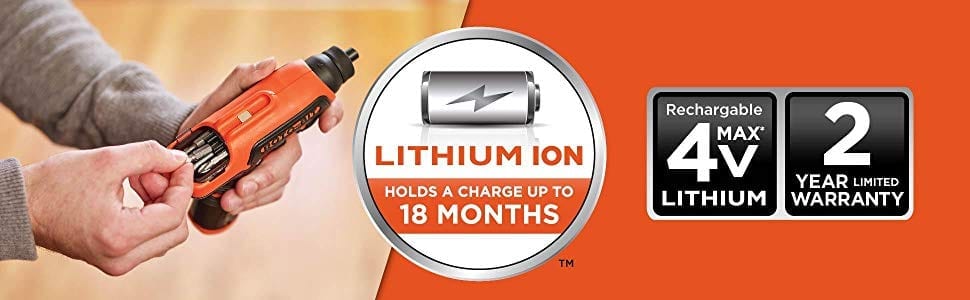


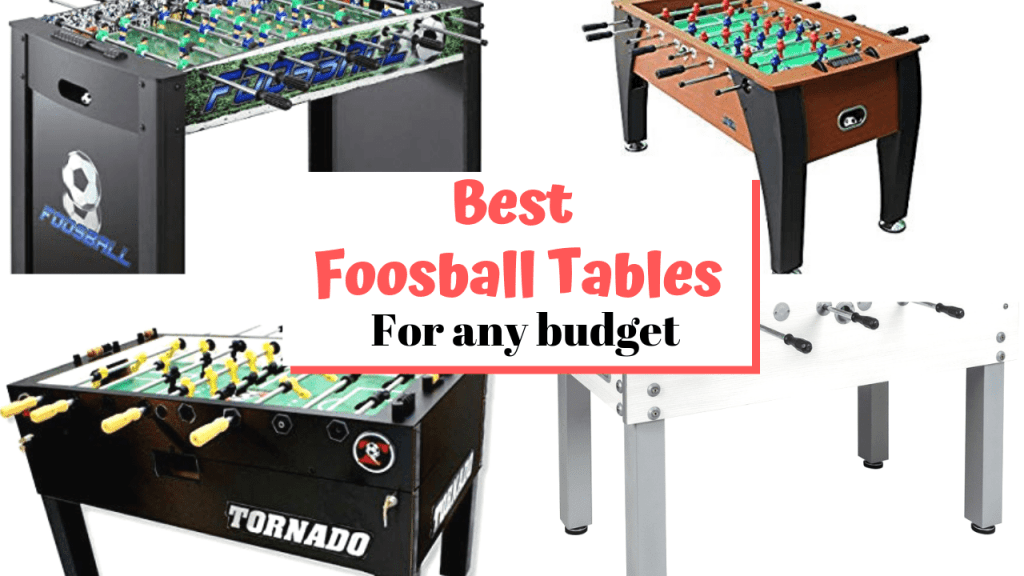























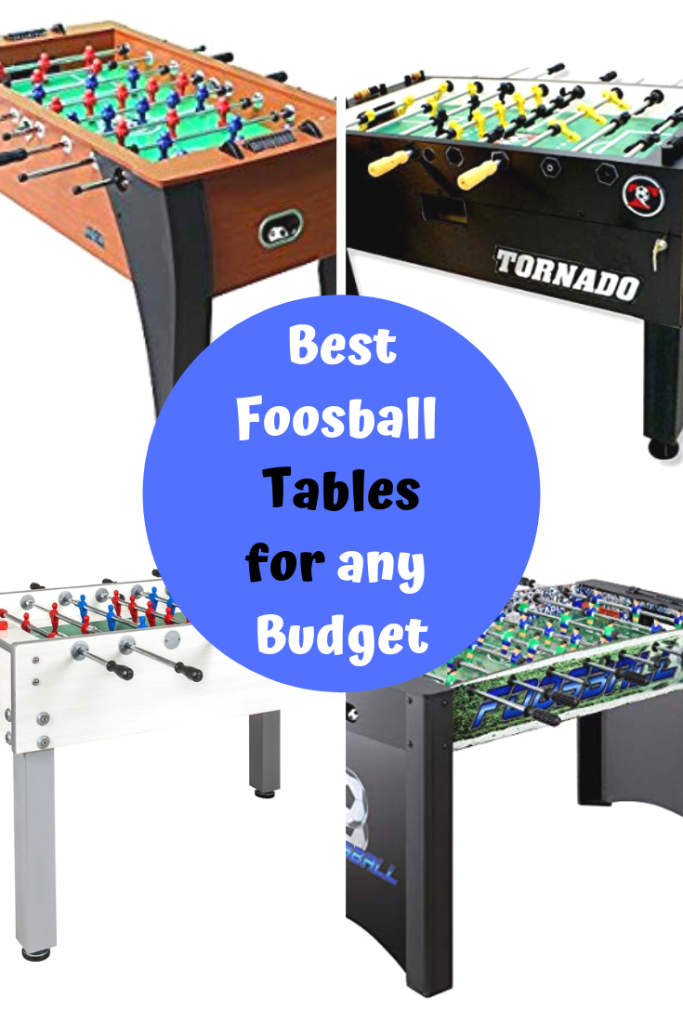























 That Helpful Dad