All posts by ThatHelpfulDad

10 AI-Powered Health Hacks for Everyday Wellness

Your personal AI health assistant is just a ‘prompt’ away…

Welcome to Article #4 in our AI Tips for Everyday People series! Today we’re exploring how AI can become your 24/7 health companion – from symptom checking to personalized fitness plans and mental health support.

Each tool includes:
🏥 Who it’s best for
🔗 Direct link to try
💬 Ready-to-use prompts

Let’s upgrade your wellbeing!


1. AI Symptom Checker That Doesn’t Scare You

“Should I actually see a doctor?”

Tool: Ada Health (free)

Why it’s better than WebMD:

  • Asks follow-up questions like a real doctor
  • Rates urgency level (1-10 scale)
  • Saves your history to track recurring issues

💡 Try this now:
“I’ve had a throbbing headache for 3 days with sensitivity to light. No fever. What could this be?”

📌 Pro Tip: Connect with K Health for AI + real doctor reviews ($19/visit)


2. Personalized Meal Plans for Medical Conditions

“What should I eat for my [diabetes/PCOS/high BP]?”

Tool: NutriSense (free trial) + ChatGPT

How it works:

  1. Wear a CGM (continuous glucose monitor) for 2 weeks
  2. AI analyzes how foods affect YOUR body
  3. Creates custom nutrition plan

💡 ChatGPT prompt:
“Create a 7-day gluten-free meal plan for someone with Hashimoto’s thyroiditis focusing on selenium-rich foods.”

📌 Pro Tip: Use MyFitnessPal’s AI to scan packaged foods for trigger ingredients


3. AI Physical Therapist in Your Pocket

“Fix my [back/knee/shoulder] pain”

Tool: Zacurate (free exercises)

What makes it special:

  • Computer vision corrects your form
  • Adapts exercises based on pain level
  • 5-minute daily routines

💡 Try this:
“Show me beginner-friendly exercises for sciatica pain while sitting at a desk.”

📌 Pro Tip: Pair with Eight Sleep for AI-powered recovery tracking


4. Mental Health Chatbot That Actually Helps

“I’m feeling [anxious/depressed/overwhelmed]”

Tool: Woebot (free)

Why therapists recommend it:

  • CBT techniques without judgment
  • Tracks mood patterns
  • Available 3AM when you need it

💡 Starter conversation:
“I’m having panic attacks before meetings. What grounding techniques can I use?”

📌 Pro Tip: For crisis support, try Crisis Text Line (AI + humans)


5. AI Vision for Medication Management

“What’s this pill? When should I take it?”

Tool: Google Lens (free)

Life-saving uses:

  • Identify unknown medications
  • Read prescription labels
  • Set dosage reminders

💡 Try now:

  1. Point camera at pill
  2. Ask: “What are the side effects of this blood pressure medication?”

📌 Pro Tip: Connect to Medisafe for AI-powered reminders


BONUS: 5 More Health AI Hacks

6️⃣ Sleep: Sleep Cycle analyzes snoring patterns
7️⃣ Fitness: Freeletics creates injury-safe workouts
8️⃣ Vision: Seeing AI describes the world for visually impaired
9️⃣ Hearing: Sound Amplifier filters background noise
🔟 Elder Care: CarePredict detects falls automatically


Your AI Health Starter Plan

This week:

  1. Try one diagnostic tool (Ada or K Health)
  2. Set up one wellness tracker (NutriSense or Woebot)
  3. Automate one health task (med reminders or PT)

Which health area will you upgrade first? Tell us in the comments!

🔜 Coming next: Article #5 – “AI for Parents: 10 Time-Saving Hacks”

📩 Subscribe for more life-changing AI tips!

AIHealth #DigitalWellness #HealthcareTech


5 AI Automations That Save 5+ Hours Per Week

Welcome to Article #3 in our AI Tips for Everyday People series! This time, we’re focusing on set-and-forget automations—AI workflows that quietly save you hours each week by handling repetitive tasks in the background.

Each automation includes:
Exact tools to use (all free or freemium)
🔧 Step-by-step setup instructions
💬 Ready-to-use prompts

Let’s reclaim your time!


1. Automatically Organize Your Inbox with AI

“Never miss an important email again”

Tools: Gmail + Sanebox (free tier available)

How it works:
AI learns which emails are important, then:

  • Snoozes newsletters
  • Highlights urgent messages
  • Unsubscribes from spam automatically

💡 Set it up:

  1. Connect SaneBox to your email
  2. Train it for 1 week by moving emails to “SaneLater”
  3. Use this filter prompt:
    “Prioritize emails from [your boss’ name] and flag any with ‘urgent’ or ‘ASAP’ in subject.”

📌 Pro Tip: Combine with Shortwave for AI-powered email summaries.


2. AI-Powered Study Assistant

“Turn textbooks into smart flashcards automatically”

Tools: Quizlet + ChatGPT

The automation:

  1. Upload your study materials
  2. AI generates flashcards and practice tests
  3. Creates personalized study reminders

💡 Try this now:
Prompt for ChatGPT:
“Create 20 flashcards from this biology chapter on cell structure. Include 5 multiple-choice practice questions.”

📌 Pro Tip: Use Otter.ai to record lectures and automatically convert them to study notes.


3. AI Expense Tracking (Zero Receipt Sorting)

“Your personal finance department”

Tools: Expensify (free for basic use) + Google Drive

How it works:

  1. Forward receipts to receipts@expensify.com
  2. AI extracts amounts, dates, and categories
  3. Auto-generates monthly reports

💡 Starter prompt:
“Create a Q3 expense report showing spending by category, with pie charts.”

📌 Pro Tip: Connect to Google Sheets for custom budgeting.


4. Automated Meeting Notes & Action Items

“Attend meetings without taking notes”

Tools: Fireflies.ai (free) + Notion

The magic:

  1. Fireflies joins your Zoom/Teams calls
  2. Records, transcribes, and highlights decisions
  3. Sends summary to Notion

💡 Prompt for post-meeting:
“Identify 3 action items from this meeting. Format as: [Task] | [Owner] | [Deadline].”

📌 Pro Tip: Set up a Notion template to auto-organize these.


5. AI-Powered Grocery Shopping

“Your fridge restocks itself”

Tools: AnyList (free) + Alexa

The flow:

  1. Say: “Alexa, add milk to my AnyList” when you run low
  2. AI predicts when you’ll need more based on usage
  3. Auto-generates shopping lists by store section

💡 Advanced prompt:
“Create a Walmart shopping list organized by aisle, prioritizing items I buy weekly.”

📌 Pro Tip: Connect to Instacart for 1-click reordering.


Your Turn

Start with one automation that addresses your biggest time drain. Many of these take <15 minutes to set up but pay off indefinitely.

Which automation will you try first? Tell me in the comments!

🔜 Coming next: Article #4 – “AI for Health: 10 Ways to Upgrade Your Wellbeing.”

📩 Hit subscribe so you don’t miss it!

AIAutomation #TimeManagement #ProductivityHacks


5 Free AI Tools You’re Not Using (But Should Be)

Welcome back to our AI Tips for Everyday People series! In this second installment, we’re uncovering five powerful (and free!) AI tools that can supercharge your productivity, creativity, and daily life—but most people don’t even know they exist.

Each tool comes with specific prompts and actionable steps so you can start using them immediately. Let’s dive in!


1. Perplexity AI – Your Research Assistant

“Google on steroids”

Why it’s great: Unlike ChatGPT, Perplexity AI provides real-time, sourced answers—perfect for fact-checking or deep research without bouncing between tabs.

💡 Try this now:
“Find recent studies (2023-2024) on intermittent fasting and weight loss. Summarize key findings in bullet points.”

📌 Pro Tip: Click the “Copilot” toggle for follow-up questions—it digs deeper automatically.


2. ElevenLabs – AI Voice Generator

“Turn text into natural-sounding speech”

Why it’s great: ElevenLabs creates human-like voiceovers for free—ideal for audiobook snippets, YouTube videos, or even custom Alexa responses.

💡 Try this now:

  1. Paste this script: “Welcome to today’s podcast. Let’s talk about AI productivity hacks…”
  2. Select a voice (try “Rachel” or “Matilda”).

📌 Pro Tip: Use it to proofread essays—hearing your writing aloud catches errors.


3. Claude AI – The Best Free Alternative to ChatGPT

“Longer memory, better reasoning”

Why it’s great: Claude AI (by Anthropic) handles longer documents (up to 100K tokens!) and is less prone to hallucinations than ChatGPT.

💡 Try this now:
Upload a PDF and ask:
“Summarize this contract in plain English. Highlight any red flags in payment terms.”

📌 Pro Tip: Claude excels at comparing documents: “Spot differences between Resume_v1 and Resume_v2.”


4. Leonardo.AI – Stunning AI Art (No Midjourney Fees)

“Create logos, wallpapers, or social media graphics”

Why it’s great: Leonardo.AI offers free daily credits to generate high-quality images without DALL-E’s paywall.

💡 Try this now:
Prompt: “A minimalist logo for a vegan bakery, pastel colors, flat design, no text.”

📌 Pro Tip: Use Realistic Vision v5 model for photorealistic portraits.


5. Tome – AI-Powered Presentations in Minutes

“Death to boring PowerPoints”

Why it’s great: Tome turns your bullet points into visual, narrated decks with AI-generated slides and stock photos.

💡 Try this now:
Type: “Create a 5-slide presentation about blockchain for beginners. Include diagrams.”

📌 Pro Tip: Export as a video for social media snippets.


BONUS: 3 Advanced Prompts to Combine These Tools

  1. Research → Presentation:
  • “Perplexity, find stats about remote work trends. Output in bullet points.” → Paste into Tome.
  1. Script → Voiceover:
  • Write a YouTube intro in Claude → Generate voice with ElevenLabs.
  1. Logo → Pitch Deck:
  • Design a logo in Leonardo → Drop into Tome for a startup pitch.

Final Thoughts

These tools eliminate hours of manual work—yet most aren’t mainstream yet. Start with one tool that solves an immediate pain point (e.g., Perplexity for research or Tome for work presentations).

Which tool will you test first? Let’s discuss in the comments!

📩 Subscribe so you don’t miss the next article in this series…

AITools #Productivity #FreeTech #AICreativity


10 Simple & Actionable AI Tips to Make Your Life Easier

Artificial Intelligence (AI) isn’t just for tech companies—it can be your personal assistant, productivity booster, and even your creativity partner. The best part? You don’t need to be an expert to use it!

In this guide, I’ll share 10 practical, everyday AI tips—each with a specific prompt or action—so you can start using AI right away to save time, reduce stress, and work smarter.


1. Let AI Manage Your Schedule & Reminders

Problem: Forgetting important tasks or double-booking meetings.
Solution: Use AI-powered assistants to automate reminders and manage your calendar.

🔗 Google Assistant | Siri | Alexa

💡 Try this now:
“Hey Google, schedule a dentist appointment for next Thursday at 2 PM and set a reminder 1 hour before.”

📌 Pro Tip: Connect your calendar to ChatGPT (via plugins) and ask:
“Review my schedule for tomorrow—am I overbooked? Suggest time blocks for deep work.”


2. Never Take Notes Again—Let AI Do It

Problem: Missing key points in meetings or lectures.
Solution: AI transcription tools can record, summarize, and highlight action items.

🔗 Otter.ai | Fireflies | Notion AI

💡 Try this now:
“Otter, transcribe this meeting and highlight decisions made.” (Works in real-time!)

📌 Pro Tip: After a call, ask ChatGPT:
“Summarize these meeting notes in 3 bullet points with deadlines.”


3. Automate Email Responses (Without Sounding Robotic)

Problem: Wasting time writing repetitive emails.
Solution: AI tools suggest quick, natural responses.

🔗 Gmail Smart Reply | GrammarlyGO

💡 Try this now:
In Gmail, click the “Smart Reply” suggestions when replying to an email.

📌 Pro Tip: Use ChatGPT to craft better emails:
“Write a polite email to my boss requesting an extension on the project deadline due to unexpected delays.”


4. Get Custom Meal Plans Based on What’s in Your Fridge

Problem: Staring at the fridge, unsure what to cook.
Solution: AI meal planners generate recipes from ingredients you already have.

🔗 ChatGPT | Mealime | Yummly

💡 Try this now:
“ChatGPT, I have chicken, rice, and broccoli—suggest 3 easy dinner recipes under 30 minutes.”

📌 Pro Tip: Snap a pic of your fridge with Google Lens and ask:
“What can I make with these ingredients?”


5. Automate Your Budget & Save Money

Problem: Losing track of spending or missing bills.
Solution: AI finance apps track expenses and negotiate bills.

🔗 Rocket Money | Copilot | Even

💡 Try this now:
“Rocket Money, analyze my last 3 months of spending—where am I overspending?”

📌 Pro Tip: Ask ChatGPT:
“Create a monthly budget for a family of 4 with $5,000 income, prioritizing savings.”


6. Get a Personalized Workout Plan (No Trainer Needed)

Problem: Not knowing how to structure workouts.
Solution: AI fitness apps generate custom plans.

🔗 Freeletics | Fitbod | MyFitnessPal

💡 Try this now:
“Fitbod, create a 20-minute home workout with no equipment.”

📌 Pro Tip: Ask ChatGPT:
“Design a 4-week running plan to go from 5K to 10K.”


7. Improve Sleep with AI-Guided Soundscapes

Problem: Tossing and turning at night.
Solution: AI sleep apps adjust sounds based on your sleep patterns.

🔗 Sleep Cycle | Endel | Calm

💡 Try this now:
“Endel, play a 30-minute wind-down soundscape for better sleep.”

📌 Pro Tip: Ask ChatGPT:
“Suggest a nighttime routine to fall asleep faster based on science.”


8. Never Overpay Again—AI Finds Discounts Automatically

Problem: Missing out on coupon codes or better deals.
Solution: AI shopping assistants apply discounts at checkout.

🔗 Honey | Capital One Shopping | PayPal Honey

💡 Try this now:
Install the Honey browser extension—it auto-applies coupons on Amazon, Walmart, etc.

📌 Pro Tip: Ask ChatGPT:
“Find the best time to book a flight to Tokyo for December.”


9. Learn Anything Faster with AI Tutoring

Problem: Struggling to understand complex topics.
Solution: AI tutors break down concepts simply.

🔗 Khan Academy | Duolingo | ChatGPT

💡 Try this now:
“ChatGPT, explain quantum computing like I’m 10 years old.”

📌 Pro Tip: Use YouTube’s AI summary feature (on mobile) to get key takeaways from long videos.


10. Plan Your Dream Trip in Seconds

Problem: Spending hours researching travel itineraries.
Solution: AI trip planners generate custom travel plans.

🔗 Wanderlog | Roam Around | ChatGPT

💡 Try this now:
“ChatGPT, plan a 5-day budget-friendly trip to Barcelona with must-see attractions.”

📌 Pro Tip: Use Google Lens to translate menus or signs in real-time while traveling.


Final Thoughts: Start Small, Save Time

You don’t need to use all 10 tips at once—pick one or two that solve your biggest pain points and try them today!

Which tip are you most excited to try? Let me know in the comments!

AITips #ProductivityHacks #LifeSimplified #TechForEveryone


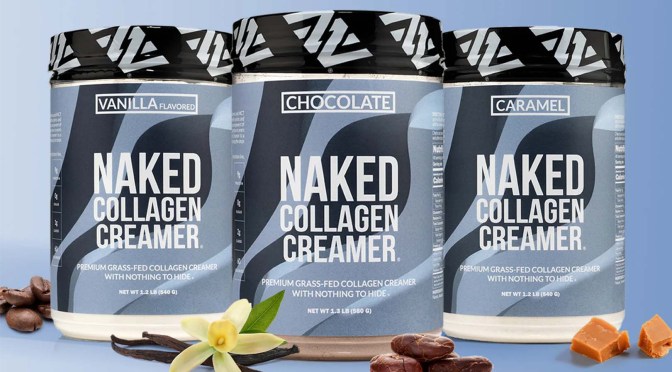
Naked Collagen Creamer – Why I like it and How to use it

In the ever-evolving world of fitness nutrition, finding products that seamlessly blend health benefits with everyday convenience are always appreciated. I’ve found Naked Nutrition’s Collagen Creamer to be one such product – not only will it enhance your daily coffee or tea while promoting overall wellness, but there’s a lot of other things you can do with it too. In this article I’ll show you how. As a bonus I’ll also give you my new recipe for “Golden Milk” which now includes the Naked Collagen Creamer!

If you want to see the product on Amazon, you can find it here: Naked Nutrition Collagen Creamer.


Naked Collagen Creamer – Product Overview

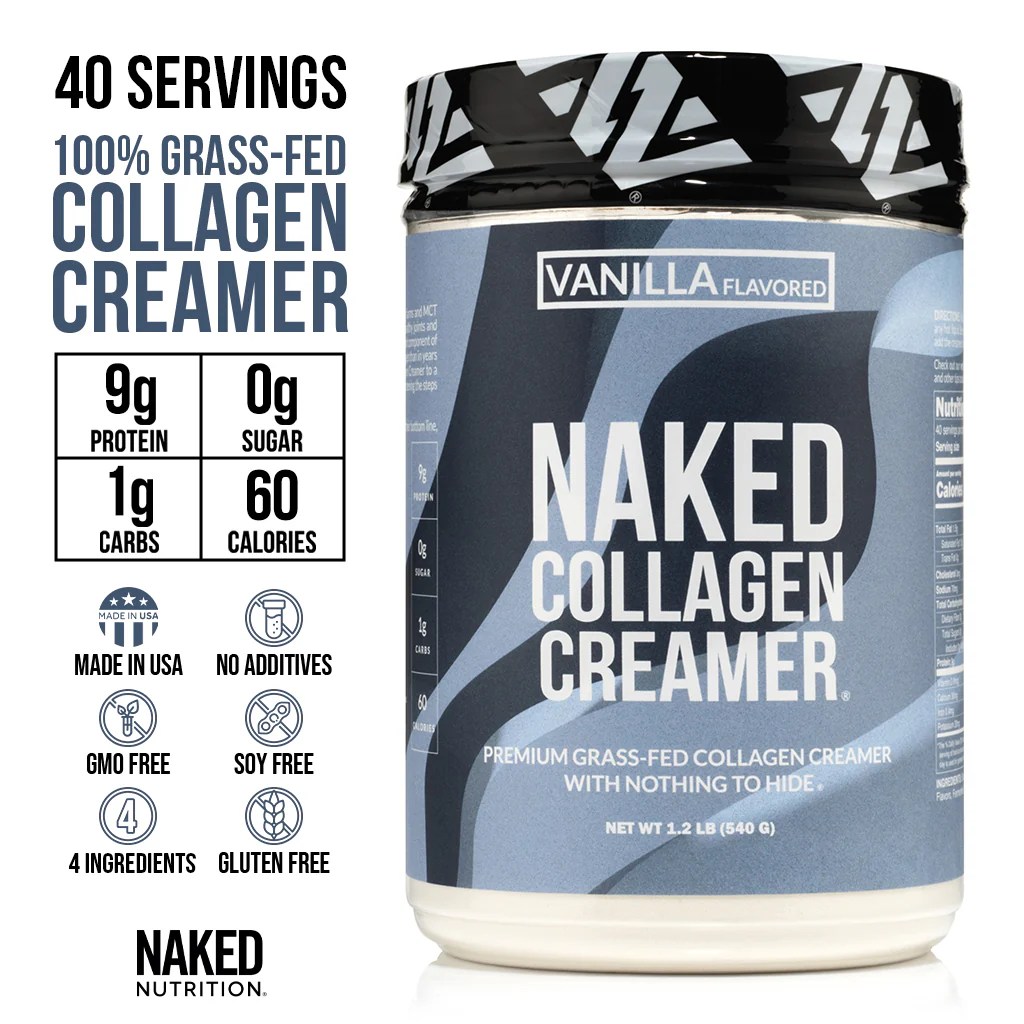
Naked Collagen Creamer is a dairy-free supplement that combines premium collagen peptides with MCT oil powder. Each serving delivers 9 grams of collagen sourced from European pasture-raised cows, aiming to support healthy skin, hair, nails, and joints. Since I like to fast, the addition of MCT oil provides me a quick energy boost, making it a versatile addition to your morning routine.

Key Ingredients and Nutritional Profile

  • Collagen Peptides: Sourced from grass-fed, pasture-raised cows, these peptides are intended to promote skin elasticity, joint health, and stronger hair and nails.
  • MCT Oil Powder: Derived from coconut oil, MCTs (Medium-Chain Triglycerides) are known for providing rapid energy and supporting cognitive function.
  • Natural Vanilla Flavor: Offers a subtle, pleasant taste without the use of artificial sweeteners or additives.
  • Acacia Fiber: A prebiotic fiber that supports digestive health.

Each 14g serving contains 60 calories, 9g of protein, 1.5g of fat (all saturated), 1g of carbohydrates, and no sugars, making it suitable for various dietary preferences, including gluten-free and soy-free diets.

Here is the label for you to review…

Potential Benefits

  • Skin, Hair, and Nail Health: Regular intake of collagen peptides may improve skin hydration and elasticity, leading to a more youthful appearance.
  • Joint Support: Collagen is a key component of cartilage; supplementing it can aid in maintaining joint health, potentially reducing discomfort during workouts.
  • Energy Boost: MCT oil provides a quick source of energy, which can be particularly beneficial before or after exercise.

Note: Always consult with a healthcare professional before adding new supplements to your diet, especially if you have underlying health conditions or are pregnant or nursing.


Naked Collagen Creamer – Why I Liked It

What stood out to me most about the Naked Collagen Creamer is its simplicity and clean ingredient list. It’s refreshing to find a product that delivers on health benefits without relying on artificial flavors, fillers, or sweeteners. The subtle vanilla flavor is just right—it enhances my morning coffee or tea without overpowering it.

Another win? Its versatility. Whether I’m in a rush and need a quick nutrient boost or want to experiment in the kitchen, this creamer fits seamlessly into my routine – it’s extremely versatile.

Naked Collagen Creamer – Ideas for How to Use It

While coffee and tea are the obvious go-to choices for mixing the creamer, there are plenty of other creative ways to enjoy it:

  • Smoothie Upgrade: Blend it with almond milk, frozen banana, and a dash of cinnamon for a creamy breakfast smoothie.
  • Baking: Add it to pancake batter or energy bites for a protein and collagen boost.
  • Overnight Oats: Stir it into your oats along with some almond butter for a delicious and nutritious start to your day.
  • Whipped Drinks: Dissolve it in hot water and whisk it with frothy almond milk for a luxurious latte experience.

BONUS: Golden Milk with Naked Collagen Creamer

Golden Milk, also known as turmeric latte, is a comforting, anti-inflammatory beverage that’s perfect for winding down in the evening or as a cozy pick-me-up. By adding Naked Collagen Creamer, you canboost its nutritional value with collagen peptides and MCT oil for joint, skin, and energy benefits.

Golden Milk Recipe:

  • 1 cup unsweetened almond milk (or your favorite milk alternative)
  • 1/2 tsp ground turmeric
  • 1/4 tsp ground cinnamon
  • 1/8 tsp ground ginger (optional, for extra warmth and spice)
  • Pinch of black pepper (enhances turmeric’s bioavailability)
  • 1 tsp honey or maple syrup (optional, for sweetness)
  • 1 scoop Naked Collagen Creamer
  • 1/4 tsp vanilla extract (optional, for a richer flavor)

Golden Milk Recipe Instructions:

  1. Heat the Milk:
    In a small saucepan, gently heat the almond milk over medium heat until warm but not boiling.
  2. Mix the Spices:
    Whisk in the turmeric, cinnamon, ginger, and black pepper. Stir well to ensure the spices are evenly distributed.
  3. Add Naked Collagen Creamer:
    Once the milk is warm, add one scoop of Naked Collagen Creamer. Stir until it dissolves completely.
  4. Sweeten (Optional):
    Add honey or maple syrup to taste, along with the vanilla extract if desired. Stir well.
  5. Blend for Froth (Optional):
    For a creamier, frothy texture, transfer the mixture to a blender and blend for 20–30 seconds.
  6. Serve:
    Pour into your favorite mug and enjoy while it’s warm. You can sprinkle a pinch of cinnamon on top for garnish.

Why You’ll Love It:

This Golden Milk recipe combines the potential anti-inflammatory properties of turmeric with the nourishing benefits of collagen and MCT oil. It’s a perfect way to relax while supporting your skin, joints, and digestion.

Enjoy this delightful blend as part of your nighttime ritual or an afternoon treat!


Why Trust Me?

Regular readers of my blog know I’m into all things healthy. Being over 50, I strive to live the 50+ Fitness lifestyle and as such not only do I regularly work out, but I also enjoy tracking everything I eat and drink. I hope me sharing my experiences with you will be helpful. If you read my blog, you’ve probably read my Trust Guarantee so you know I don’t endorse a company unless I use their products myself. When I recommend Naked Oats to you it’s because I have seen the results for myself – therefore I feel good about telling you to check it out too. I hope you find as much value from the product as my family and I do.

My Conclusion

Naked Nutrition’s Vanilla Collagen Creamer offers a convenient and tasty way to incorporate the benefits of collagen and MCT oil into your daily routine. Its clean ingredient list and health-focused formulation make it a noteworthy addition to the wellness regimens of fitness enthusiasts and health-conscious individuals alike.

Where to Buy

Naked Collagen Creamer is available for purchase on Amazon and through Naked Nutrition’s official website.

How to make your Morning Routine Successful

I’ve written multiple times about how creating a successful morning routine can significantly impact your productivity, mood, and overall well-being. The key to a successful morning is a combination of thoughtful planning, discipline, and positive habits that set the tone for the rest of your day. Here’s a comprehensive guide with specific ideas and examples to help you craft a morning routine that leads to a successful day.

1. The Importance of a Morning Routine

A well-structured morning routine helps you start your day on the right foot, reduces stress, and increases productivity. By establishing a set of habits that you follow every morning, you can create a sense of stability and control over your day. Moreover, a morning routine can enhance your mental and physical health, setting a positive tone that carries throughout the day.

2. The Night Before: Preparation is Key

A successful morning starts the night before. Preparing for the next day can significantly reduce morning chaos and decision fatigue.

  • Plan Your Day: Spend a few minutes each evening reviewing your schedule for the next day. Make a to-do list prioritizing the most important tasks. This helps you wake up with a clear sense of purpose.
  • Set Out Clothes: Choose and lay out your outfit for the next day. This simple step can save you time and reduce stress in the morning.
  • Prepare Your Breakfast: If you have a busy schedule, consider preparing breakfast the night before. Overnight oats or pre-made smoothies are excellent options.
  • Limit Screen Time: Avoid screens at least an hour before bed to ensure a good night’s sleep. The blue light from devices can interfere with your sleep quality.

3. Wake Up Early

Waking up early gives you a head start. It allows you to have some quiet time before the demands of the day begin. Aim to wake up at least an hour before you need to start your day.

  • Consistent Wake-Up Time: Try to wake up at the same time every day, even on weekends. This helps regulate your body’s internal clock.
  • Gradual Wake-Up: Consider using a sunrise alarm clock that gradually increases light, simulating a natural sunrise to wake you up gently.

4. Hydrate First Thing

Rehydrate your body after hours of sleep. Drinking a glass of water in the morning kickstarts your metabolism and helps your body wake up.

  • Add Lemon: Did you know? Adding a slice of lemon to your water can enhance flavor and provide a boost of vitamin C, aiding your immune system.
  • Keep Water by Your Bed: Place a glass of water on your nightstand so you can hydrate immediately upon waking up.

5. Practice Mindfulness or Meditation

Starting your day with mindfulness can reduce stress and improve focus. Meditation, deep breathing exercises, or a few minutes of quiet reflection can help you set a positive tone for the day.

  • Guided Meditation Apps: Apps like Headspace or Calm offer guided meditations tailored to different needs and time frames.
  • Deep Breathing Exercises: Practice deep breathing exercises for a few minutes. Inhale deeply through your nose, hold for a few seconds, and exhale slowly through your mouth.

6. Move Your Body

Physical activity in the morning can boost your energy levels and mood. It doesn’t have to be a full workout; even gentle stretching or a short walk can be beneficial.

  • Morning Yoga: Yoga can be a gentle way to wake up your body and mind. There are many online resources and apps with routines tailored for the morning. Track Yoga app is a great tool here.
  • Short Workouts: If time allows, a 20-30 minute workout can significantly boost your energy levels. Consider activities like jogging, cycling, or a quick HIIT session.
  • Stretching Routine: A 5-10 minute stretching routine can improve flexibility and reduce tension.

7. Healthy Breakfast

A nutritious breakfast fuels your body and brain. Aim for a balanced meal with protein, healthy fats, and whole grains.

  • Quick and Nutritious Options:
  • Greek yogurt with nuts and berries.
  • Whole grain toast with avocado and a poached egg.
  • A smoothie with spinach, banana, almond milk, and protein powder.
  • Overnight Preparations: Prepare overnight oats or chia pudding the night before for a quick grab-and-go option.
  • For those who like to practice Intermittent Fasting like myself, consider my Cinnabutter Coffee tip.

8. Personal Development

Allocate time for personal growth. This could involve reading, journaling, or learning something new.

  • Reading: Spend 10-20 minutes reading a book that inspires or educates you.
  • Journaling: Reflect on your goals, express gratitude, or simply jot down your thoughts. Journaling can clarify your mind and set a positive intention for the day.
    • My “AM Journals” are kept in an online Google Doc and I usually end up with 200+ pages a year of journal notes – when I look back and review it provides so many insights that I can actively use to improve my life.
  • Skill Development: Use this time to learn something new, like practicing a language on Duolingo or taking a short online course.

9. Plan and Review Your Day

Take a few minutes to review your day’s schedule and prioritize tasks. This helps you focus on what’s important and avoid feeling overwhelmed.

  • Top 3 Priorities: Identify your top three priorities for the day and focus on completing them first. I like using Tim Ferriss’ “Three to Thrive” method.
  • Time Blocking: Allocate specific time slots for different tasks to ensure you stay on track.

10. Positive Affirmations

Starting your day with positive affirmations can boost your confidence and mindset. Affirmations are simple, positive statements that you repeat to yourself.

  • Examples of Affirmations:
  • “I am capable and strong.”
  • “Today is going to be a productive day.”
  • “I am grateful for the opportunities this day brings.”
  • Creating Your Own: Tailor affirmations to your personal goals and needs.
  • As I’ve written about before, affirmations have changed my life many times over.

11. Limit Distractions

Minimize distractions to maintain your morning routine’s effectiveness. This can include reducing screen time and setting boundaries.

  • No Phone Zone: Avoid checking your phone immediately upon waking up. Emails and social media can wait until you’ve completed your morning routine.
  • Focus on the Present: Concentrate on each activity in your routine rather than multitasking. Mindfulness in your morning tasks can set a calm tone for the day.

12. Consistency and Flexibility

Consistency is crucial for establishing a successful morning routine. However, it’s also important to be flexible and adapt when necessary.

  • Stick to the Plan: Try to follow your routine every day, even on weekends. This helps reinforce the habits you’re building.
  • Adapt When Needed: Life is unpredictable, and sometimes you’ll need to adjust your routine. Don’t be too rigid; adapt and move forward.

Example Morning Routine

Here’s an example of a morning routine incorporating the elements discussed:

  1. 6:00 AM – Wake Up: Get out of bed and drink a glass of water with lemon.
  2. 6:05 AM – Mindfulness: Spend 10 minutes meditating using a guided app.
  3. 6:15 AM – Exercise: Do a 20-minute yoga session or a quick workout.
  4. 6:35 AM – Shower and Get Ready: Refresh and dress for the day.
  5. 6:50 AM – Breakfast: Enjoy a healthy meal, such as Greek yogurt with fruits and nuts.
  6. 7:10 AM – Personal Development: Read a book or journal for 15 minutes.
  7. 7:25 AM – Plan Your Day: Review your schedule and set your top three priorities.
  8. 7:35 AM – Positive Affirmations: Spend a few minutes reciting affirmations.
  9. 7:40 AM – Start Your Day: Begin your first task of the day with focus and clarity.

Tips for Success

  • Start Small: If creating a full morning routine feels overwhelming, start with one or two habits and gradually add more.
  • Be Patient: Building a new routine takes time. Be patient with yourself and allow for adjustments as needed.
  • Reflect and Adjust: Regularly reflect on what’s working and what isn’t. Adjust your routine to better fit your needs and lifestyle.

Give the Morning Routine a try today.

Crafting a successful morning routine involves thoughtful planning, consistent practice, and a willingness to adapt. By incorporating hydration, mindfulness, physical activity, a healthy breakfast, personal development, and planning into your morning, you set a positive tone for the rest of your day. Remember, the key to success is consistency, but also being flexible enough to adapt when life gets in the way. Start small, be patient, and enjoy the benefits of a well-structured morning routine.

What to read next?

Top 7 Instant Pots: Understanding the Many Different Models and Choosing the Right One for You

Instant Pots have revolutionized home cooking by combining the functions of multiple kitchen appliances into a single, versatile device. I’ll admit I was late to the Instant Pot party and by the time I jumped in I was overwhelmed by all the different models. I’m writing this article to help you figure out what’s the difference between the most popular Instant Pots so you can figure out which one is best for. I’ll also tell you which model is my favorite.

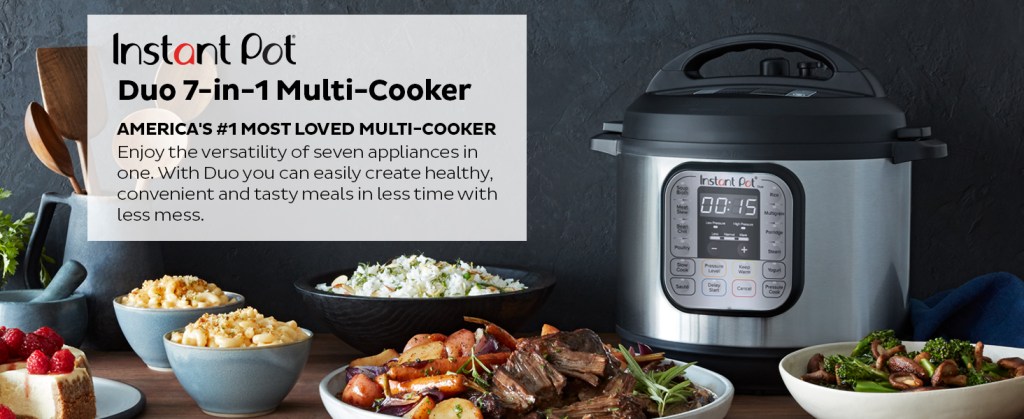
1. Instant Pot Duo 7-in-1

Overview

The Instant Pot Duo 7-in-1 is one of the most popular models, and for good reason. It offers seven functions: pressure cooker, slow cooker, rice cooker, steamer, sauté pan, yogurt maker, and warmer. This model is available in various sizes (3, 6, and 8 quarts), making it suitable for different household sizes.

Key Features

  • Seven Functions: Versatile cooking options.
  • Stainless Steel Inner Pot: Durable and easy to clean.
  • 14 One-Touch Programs: For quick and easy meal preparation.

Pros

  • User-Friendly: Intuitive controls and clear display.
  • Versatile: Suitable for a wide range of recipes.
  • Affordable: Offers great value for its features.

Cons

  • Basic Features: Lacks some advanced options found in higher-end models.
  • No Sous Vide Function: Not ideal for those interested in this cooking method.

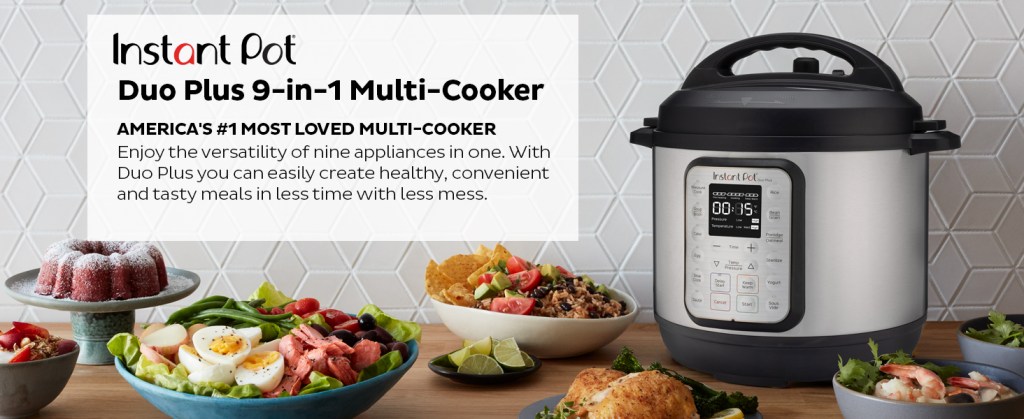
    2. Instant Pot Duo Plus 9-in-1

    Overview

    The Duo Plus 9-in-1 builds on the Duo models by adding more functions, including egg cooking, cake making, and sterilizing. This makes it a great option for more adventurous cooks.

    Key Features

    • Nine Functions: Adds egg cooker, cake maker, and sterilizer.
    • Upgraded Display: Larger and more intuitive interface.
    • Sous Vide Function: For precise temperature control.

    Pros

    • More Functions: Greater versatility in cooking.
    • User-Friendly Display: Easy to navigate.
    • Precise Cooking: Ideal for sous vide enthusiasts.

    Cons

    • Higher Price: More expensive than the basic Duo models.
    • Complexity: Extra functions might be overwhelming for beginners.

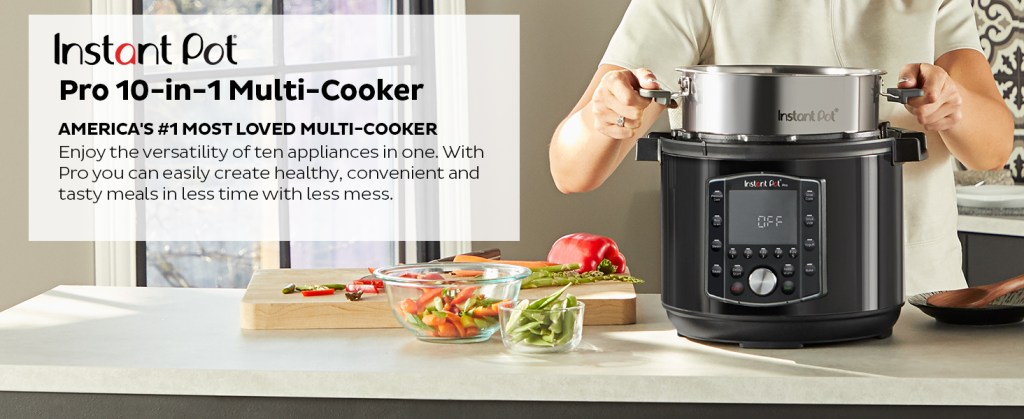
    3. Instant Pot Pro 10-in-1

    Overview

    The Pro 10 in 1 Instant Pot model takes versatility to the next level with ten functions and customizable cooking programs. It is designed for home cooks who want maximum control over their cooking.

    Key Features

    • 10 Functions: Includes all Duo Plus functions plus a cake maker and custom program.
    • Ultra Button: Allows for custom programming of pressure and temperature.
    • Altitude Adjustment: Automatically adjusts cooking parameters based on altitude.

    Pros

    • Highly Customizable: Great for precise cooking.
    • Advanced Features: Suitable for experienced cooks.
    • Large Display: Easy to read and use.

    Cons

    • Complex: Might be too advanced for casual users.
    • Price: Higher cost due to additional features.

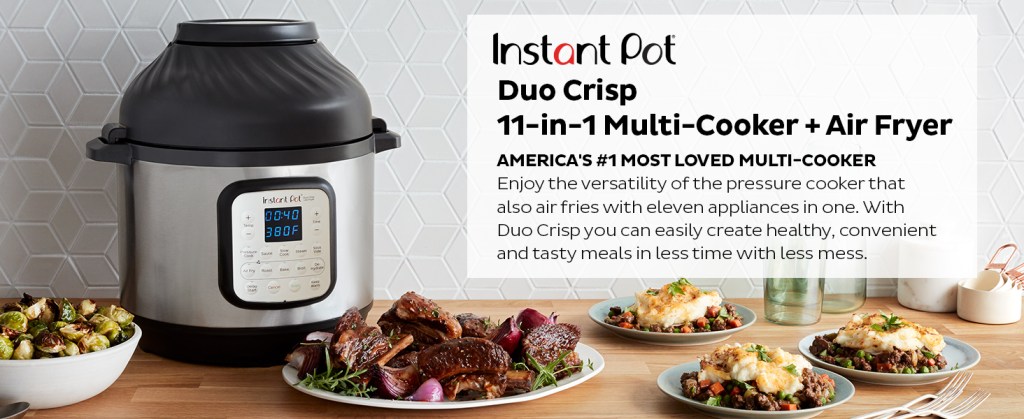
    4. Instant Pot Duo Crisp + Air Fryer

    Overview

    The Duo Crisp + Air Fryer model combines the functions of a pressure cooker and an air fryer, offering even more cooking possibilities. This is perfect for those who want to enjoy fried foods with less oil.

    Key Features

    • Pressure Cooker + Air Fryer: Combines both functionalities.
    • Two Lids: One for pressure cooking and one for air frying.
    • 11 Functions: Includes baking, roasting, and broiling.

    Pros

    • Versatile Cooking: Pressure cook and air fry in one device.
    • Healthier Frying: Less oil required compared to traditional frying.
    • Large Capacity: Available in 6 and 8 quarts.

    Cons

    • Bulkier: Takes up more counter space.
    • Price: Higher due to dual functionality.
    • Learning Curve: Requires understanding of both pressure cooking and air frying.

    5. Instant Pot Duo Mini

    Overview

    The Instant Pot Duo Mini is a smaller version of the popular Duo model, offering the same functions in a more compact size. It’s perfect for small households, dorm rooms, or as a second Instant Pot.

    Key Features

    • Compact Size: 3-quart capacity.
    • Seven Functions: Same as the full-sized Duo.
    • Portable: Easy to store and transport.

    Pros

    • Space-Saving: Ideal for small kitchens.
    • Affordable: Lower price than larger models.
    • Versatile: Same functions as larger Duo.

    Cons

    • Limited Capacity: Not suitable for large families or batch cooking.
    • Fewer Accessories: Limited availability of accessories compared to larger models.

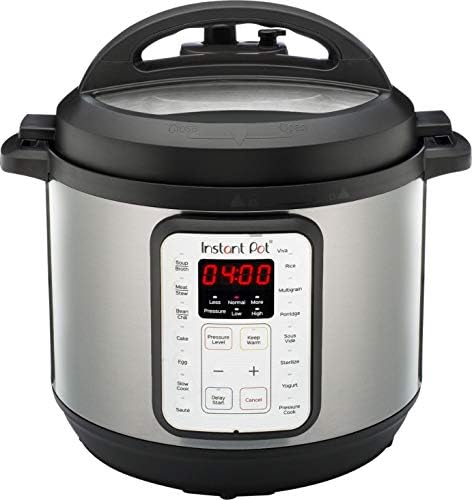
    6. Instant Pot Viva 9-in-1

    Overview

    The Instant Pot Viva 9-in-1 offers nine functions and several enhanced features at an affordable price. It’s a great option for those looking for more functionality without breaking the bank.

    Key Features

    • Nine Functions: Includes cake maker and sterilizer.
    • Enhanced Safety Features: Multiple safety mechanisms.
    • Variety of Programs: 15 one-touch programs.

    Pros

    • Affordable: Great value for the features.
    • Versatile: Wide range of cooking options.
    • User-Friendly: Easy to use and clean.

    Cons

    • Intermediate Model: Lacks some of the advanced features of higher-end models.
    • Build Quality: Not as durable as more expensive models.

    7. Instant Pot Rio

    Instant Pot Rio Model Overview

    The Instant Pot Rio is an upgraded version of the popular Duo series, designed to offer enhanced functionality and modern aesthetics while maintaining the convenience and efficiency that Instant Pot is known for.

    Key Features

    • 7-in-1 Functionality: The Rio can perform as a pressure cooker, slow cooker, rice cooker, yogurt maker, steamer, sauté pan, and warmer.
    • 13 Smart Programs: It includes customizable settings for pressure cooking, slow cooking, meat/stew, poultry, beans/chili, rice, multigrain, soup/broth, steam, sauté, yogurt, cake, and keep warm.
    • Anti-Spin Design: Features an anti-spin, stainless steel inner pot with a tri-ply bottom, making it easier to sauté and stir.
    • Easy-Release Switch: Simplifies and speeds up steam release, enhancing safety.
    • Energy Efficient: Cooks up to 70% faster with up to 60% energy savings compared to conventional methods.
    • Capacity: 6-quart capacity, ideal for family meals and batch cooking.
    • Safety Features: Includes overheat protection, an easy-seal lid, and multiple other safety mechanisms.
    • Dishwasher Safe: Both the lid and inner pot are dishwasher safe for easy cleanup.

    Pros

    • Modern Design: Sleeker and more modern than earlier models.
    • Versatile Cooking Options: Wide range of functions and smart programs.
    • Improved Safety and Usability: Enhanced safety features and a user-friendly interface.
    • Energy Efficient: Saves time and energy during cooking.

    Cons

    • Instruction Clarity: Some users have reported that the instructions could be more detailed.
    • Lid Sealing Issues: Occasionally, users find the lid tricky to seal properly.

    Overall, the Instant Pot Rio offers a great balance of advanced features and user-friendly design, making it a strong contender for both new users and Instant Pot veterans.


    How to Choose the Right Instant Pot for You

    When selecting the right Instant Pot model, consider the following factors:

    Cooking Needs

    Evaluate what types of cooking you’ll be doing most frequently. If you need basic pressure cooking, the Duo models are excellent. For more specialized cooking, consider models with additional functions like the Duo Plus, Ultra, or Pro.

    Kitchen Space

    Consider the available space in your kitchen. Larger models like the Duo Crisp + Air Fryer and Max take up more counter space, while the Duo Mini is perfect for smaller kitchens.

    Budget

    Instant Pots range from affordable to premium prices. Determine your budget and choose a model that offers the best features for your needs without overspending.

    Tech Savviness

    If you enjoy using smart devices, the Smart WiFi model offers remote control and monitoring. For those who prefer simplicity, models without WiFi may be more suitable.

    Family Size

    Choose

    a size that matches your household’s needs. Smaller families might opt for 3 or 6-quart models, while larger families or those who batch cook might prefer 8 or 10-quart options.

    Advanced Features

    Consider if you need advanced features like sous vide, air frying, or higher pressure. Models like the Duo Plus, Ultra, and Max cater to these needs.

    Safety Features

    If safety is a priority, look for models with enhanced safety features, such as the Duo Nova or Viva, which offer additional safety mechanisms and user-friendly designs.


    My Favorite Instant Pot

    I personally own the Instant Pot Pro 10-1. I chose this model because it provides all the features I wanted AND it was a very reasonable price compared to some of the other models that did things I don’t need. I’m really happy with my decision and I’ve been very satisfied with the Instant Pot Pro.


    Is an Instant Pot in YOUR future?

    The right Instant Pot model can transform your cooking experience, offering convenience, versatility, and efficiency. By understanding the features and capabilities of each model, you can select the one that best fits your lifestyle and culinary needs. Whether you opt for the basic Duo, the advanced Pro (my fav), or the innovative Duo Crisp + Air Fryer, Instant Pots are designed to make home cooking easier and more enjoyable. I’d love to know which model is YOUR favorite and why?

    What to read next?

    ChatGPT FAQs, Troubleshooting, Advanced Features, and Practical Applications

    There’s a bunch of AI Chatbots around, but ChatGPT has emerged as my go-to favorite. From answering queries to generating creative content, ChatGPT has a wide range of applications. In this article we’ll talk about ChatGPT’s FAQs, Troubleshooting tips, Advanced Features, and also discuss examples of Practical Applications for ChatGPT. My hope is that by better understanding what ChatGPT can/can’t do, you’ll get the most out of this incredible tool.

    General FAQs

    What is ChatGPT?

    ChatGPT is an artificial intelligence model developed by OpenAI. It uses machine learning, specifically a transformer model, to generate human-like text based on the input it receives. ChatGPT is designed to understand and generate natural language, making it useful for a variety of applications such as customer service, content creation, and personal assistance.

    How does ChatGPT work?

    ChatGPT is based on the GPT-4 architecture, which stands for “Generative Pre-trained Transformer 4.” It works by analyzing large datasets of text to learn patterns, context, and relationships between words. When you input a query, ChatGPT processes the input through multiple layers of neural networks to generate a coherent and contextually relevant response.

    Is ChatGPT free to use?

    ChatGPT offers both free and subscription-based access. The free version allows users to experience basic functionalities, while the subscription plan, known as ChatGPT Plus, provides enhanced features such as faster response times, priority access during high-demand periods, and access to the latest updates and improvements.

    What are the limitations of ChatGPT?

    While ChatGPT is a powerful tool, it has limitations:

    • Context Length: ChatGPT has a limit on how much context it can consider, which can affect its ability to generate long, coherent responses.
    • Accuracy: Although it generates highly accurate responses, it can sometimes produce incorrect or nonsensical answers.
    • Bias: The model can reflect biases present in the training data, which means it might generate biased or culturally insensitive content.
    • Creativity vs. Factuality: ChatGPT might prioritize creative or plausible-sounding answers over strictly accurate information.

    Is ChatGPT safe to use?

    OpenAI has implemented several safety measures to make ChatGPT safe for users. These include filtering mechanisms to block inappropriate content and constant monitoring to improve the model’s responses. However, users should still exercise caution and not rely solely on ChatGPT for sensitive or critical information.

    Quick Tips to get the most benefit from ChatGPT

    How can I get the best responses from ChatGPT?

    Here are some tips to get the most effective responses from ChatGPT:

    • Be Clear and Specific: Clearly state your query or command. Vague questions can lead to vague answers.
    • Provide Context: The more context you provide, the better ChatGPT can understand and respond accurately.
    • Ask Follow-up Questions: If the initial response isn’t sufficient, ask follow-up questions for clarification or more detail.
    • Use Proper Grammar: Proper grammar helps ChatGPT understand your input more accurately.

    How can I make ChatGPT more creative?

    To elicit more creative responses, you can:

    • Set the Tone: Indicate the style or tone you want (e.g., “Write a humorous story about a dragon”).
    • Provide Scenarios: Give specific scenarios or characters to build upon.
    • Encourage Creativity: Directly ask for creative or imaginative answers.

    How can I ensure factual accuracy in ChatGPT’s responses?

    For more accurate responses:

    • Ask for Sources: Request sources or references for factual information.
    • Cross-Check Information: Verify the responses with reliable external sources.
    • Specify Desired Accuracy: Indicate if you prefer factual accuracy over creativity.

    Can ChatGPT understand and generate code?

    Yes, ChatGPT can understand and generate code snippets in various programming languages. When asking for code-related assistance:

    • Be Specific: Clearly describe the problem or the function you need.
    • Provide Examples: Give sample inputs and desired outputs.
    • Ask for Comments: Request that the generated code include comments for better understanding.

    ChatGPT Advanced Features

    What is ChatGPT Plus?

    ChatGPT Plus is a subscription plan that provides enhanced access to ChatGPT for a monthly fee. Benefits include:

    • Priority Access: Reduced wait times and priority access during peak hours.
    • Faster Response Times: Enhanced server performance for quicker responses.
    • Early Access to Features: First access to new features and improvements.

    How do I integrate ChatGPT into my applications?

    Developers can integrate ChatGPT into their applications using OpenAI’s API. The API allows for custom implementations and can be used in various applications such as chatbots, virtual assistants, and automated content generation. To get started:

    • Sign Up: Create an account on the OpenAI platform.
    • API Key: Obtain an API key from the OpenAI dashboard.
    • Documentation: Follow the API documentation for instructions on integration and usage.

    How can I customize ChatGPT for specific tasks?

    Customization can be achieved through:

    • Fine-Tuning: Use your own datasets to fine-tune the model for specific tasks or industries.
    • Prompt Engineering: Craft specific prompts to guide the model towards desired behaviors or responses.
    • Domain-Specific Training: Train the model with domain-specific data to improve its expertise in a particular area.

    Common Troubleshooting

    Why is ChatGPT not responding?

    If ChatGPT is not responding:

    • Check Your Connection: Ensure you have a stable internet connection.
    • Server Status: Check if OpenAI’s servers are down or experiencing issues.
    • Clear Cache: Clear your browser cache or try a different browser.
    • Update Browser: Make sure your browser is up to date.

    Why is ChatGPT giving incorrect or irrelevant answers?

    If you receive incorrect or irrelevant answers:

    • Rephrase the Query: Try rephrasing your question or providing more context.
    • Be Specific: Ensure your question is clear and specific.
    • Limit Complexity: Avoid overly complex queries in a single request.

    How can I report a problem with ChatGPT?

    To report a problem:

    • Contact Support: Use the support options provided by OpenAI on their website.
    • Feedback: Provide feedback directly through the ChatGPT interface if available.
    • Community Forums: Participate in OpenAI community forums to report issues and get assistance from other users.

    Privacy and Security

    How does ChatGPT handle my data?

    OpenAI has strict policies regarding data handling:

    • Data Use: User interactions are used to improve model performance but are anonymized to protect privacy.
    • Data Retention: Personal data is not retained beyond the interaction session unless explicitly stated.
    • Security Measures: Advanced security measures are in place to protect user data from unauthorized access.

    Can I delete my data from ChatGPT?

    Yes, you can request the deletion of your data:

    • Account Settings: Check your account settings for data deletion options.
    • Contact Support: Contact OpenAI support for assistance with data deletion requests.

    Practical Applications

    How can businesses benefit from ChatGPT?

    Businesses can leverage ChatGPT for various purposes:

    • Customer Support: Automate customer service with AI chatbots to handle inquiries efficiently.
    • Content Creation: Generate marketing content, blog posts, and social media updates.
    • Data Analysis: Summarize and analyze data reports for quick insights.
    • Training and Development: Provide interactive training modules and educational content.

    How can educators use ChatGPT?

    Educators can use ChatGPT in multiple ways:

    • Tutoring: Provide personalized tutoring and answer student queries.
    • Content Creation: Generate educational materials, lesson plans, and quizzes.
    • Language Learning: Assist with language learning by providing practice conversations and translations.
    • Research Assistance: Aid in research by summarizing articles and suggesting references.

    How can individuals use ChatGPT for personal development?

    Individuals can benefit from ChatGPT for personal growth:

    • Learning: Use ChatGPT as a study aid for various subjects.
    • Creativity: Generate creative writing prompts, stories, or poems.
    • Planning: Help plan activities, trips, and personal projects.
    • Language Practice: Practice new languages through interactive conversations.

    Future Developments

    What is the future of ChatGPT?

    According to OpenAI, the future of ChatGPT includes:

    • Enhanced Capabilities: Continuous improvements in understanding and generating natural language.
    • Broader Applications: Expanding use cases in various industries and personal applications.
    • Ethical AI: Ongoing efforts to ensure ethical use and reduce biases.
    • Integration: Deeper integration with other technologies such as virtual reality and IoT devices.

    How can I stay updated with ChatGPT developments?

    To stay updated:

    • OpenAI Blog: Follow the OpenAI blog for the latest news and updates.
    • Newsletters: Subscribe to OpenAI newsletters.
    • Community Forums: Participate in community forums and discussions.
    • Social Media: Follow OpenAI on social media platforms.

    Give ChatGPT a try – you’ll be glad you did.

    ChatGPT represents a significant advancement in AI technology, providing valuable assistance across various domains and I use it nearly every day now. By understanding its capabilities, limitations, and best practices, users can maximize the benefits of ChatGPT in both personal and professional settings and I hope this article helps you find a few reasons to give it a try!

    What to read next?

      Understanding ChatGPT vs GPT-4 vs DALL-E – When do you use which one?

      Let’s discuss the AI chatbots ChatGPT, GPT-4, and DALL-E. These are all Artificial Intelligence tools from OpenAI. They are similar but different and if you want to get the most benefit from them, it’s a good idea to understand the differences between each AI models so you can leverage their unique strengths effectively. This article can help you.

      Overview of the AI Models

      1. ChatGPT: A conversational AI model designed specifically for INTERACTIVE DIALOGUE.
      2. GPT-4: A general-purpose language model that extends beyond conversation to handle a broad spectrum of COMPLEX TASKS.
      3. DALL-E: An AI model designed for generating IMAGES from textual descriptions, pushing the boundaries of creativity and visual understanding.

      ChatGPT: Conversational Expertise

      ChatGPT is a fine-tuned version of GPT-3, optimized for dialogue-based applications. It excels in maintaining context over multiple turns of conversation and generating human-like responses. Here are its key features:

      1. Conversational Focus: ChatGPT is adept at handling interactive communication, making it ideal for customer service, virtual assistants, and interactive tutoring systems.
      2. Fine-Tuning with Human Feedback: Through Reinforcement Learning from Human Feedback (RLHF), ChatGPT aligns more closely with human conversational norms and safety standards.
      3. Accessibility: Available via APIs, ChatGPT is widely used by developers and businesses for creating chatbots and other dialogue-driven applications.

      GPT-4: The Versatile Powerhouse

      GPT-4 builds on the strengths of its predecessors, offering enhanced capabilities and versatility. Although specific details such as parameter count are not publicly disclosed, its performance improvements are evident across various tasks:

      1. Enhanced Understanding and Generation: GPT-4 can comprehend and generate more complex and nuanced text, making it suitable for tasks requiring deep contextual understanding.
      2. Broader Knowledge Base: Trained on a more extensive dataset, GPT-4 provides more accurate and up-to-date information.
      3. Multimodal Capabilities: GPT-4 can process and generate not only text but also other forms of data like images, expanding its applicability to tasks such as image captioning and visual question answering.
      4. Fine-Tuning and Customization: Businesses and developers can fine-tune GPT-4 for specific applications, enhancing its performance in specialized tasks.

      DALL-E: Creativity in Visual Form

      DALL-E represents a significant leap in AI’s ability to generate images from textual descriptions. This model blends language understanding with visual creativity, enabling it to create novel and coherent images based on detailed prompts.

      1. Text-to-Image Generation: DALL-E can create images from scratch based on detailed textual descriptions, demonstrating a deep understanding of both language and visual concepts.
      2. Creative Applications: Used in fields such as advertising, design, and art, DALL-E enables the creation of unique visual content that aligns with specific creative visions.
      3. Versatility in Output: From photorealistic images to abstract art, DALL-E’s outputs cover a wide range of styles and concepts, showcasing its versatility and creative potential.

      Comparing ChatGPT, GPT-4, and DALL-E

      To understand the distinct capabilities and applications of ChatGPT, GPT-4, and DALL-E, it is essential to compare them across several dimensions:

      1. Primary Function:
      • ChatGPT: Designed for generating human-like dialogue and maintaining conversational context.
      • GPT-4: A general-purpose language model capable of performing a wide array of text-based tasks, including conversation, data analysis, and creative writing.
      • DALL-E: Focused on generating images from textual descriptions, combining language and visual creativity.
      1. Core Capabilities:
      • ChatGPT: Excels in interactive communication, making it suitable for customer service, virtual assistants, and other dialogue-based applications.
      • GPT-4: Offers enhanced comprehension and generation of complex text, suitable for research, creative writing, and multimodal tasks.
      • DALL-E: Specializes in creating images based on textual prompts, ideal for creative and design-focused applications.
      1. Training and Fine-Tuning:
      • ChatGPT: Fine-tuned for conversational quality and safety using human feedback.
      • GPT-4: Benefits from extensive fine-tuning on a diverse dataset, enhancing its adaptability and performance in various tasks.
      • DALL-E: Trained to understand and generate coherent images from detailed textual descriptions, leveraging both language and visual data.
      1. Use Cases:
      • ChatGPT: Best suited for customer support, virtual assistants, and interactive tutoring systems.
      • GPT-4: Ideal for research, complex data analysis, creative content generation, and tasks involving multimodal data.
      • DALL-E: Perfect for creative industries such as advertising, design, and art, where generating unique visual content is key.

      Practical Implications for using ChatGPT, GPT-4 or DALL-E

      The practical implications of using ChatGPT, GPT-4, or DALL-E depend on the specific needs and goals of the user or organization:

      1. For Businesses:
      • ChatGPT: Suitable for companies looking to enhance customer service with chatbots or provide interactive virtual assistants.
      • GPT-4: Ideal for businesses needing advanced data analysis, research tools, or creative content generation.
      • DALL-E: Best for industries requiring high-quality, unique visual content, such as marketing and design.
      1. For Developers:
      • ChatGPT: Provides a robust framework for developing chatbots and other dialogue-based applications.
      • GPT-4: Offers versatility for creating a wide range of applications, from automated research tools to creative writing assistants.
      • DALL-E: Enables developers to create applications that generate images from text, useful for creative projects and design tools.
      1. For Creatives and Researchers:
      • ChatGPT: Aids in generating dialogue-based content and interactive experiences.
      • GPT-4: Assists in producing sophisticated text-based research, creative writing, and comprehensive data analysis.
      • DALL-E: Facilitates the creation of original visual content based on detailed prompts, enhancing artistic and design endeavors.

      Future Prospects

      The future of AI-driven models like ChatGPT, GPT-4, and DALL-E is promising, with potential developments likely to enhance their capabilities further:

      1. Improved Contextual Understanding: Future iterations could offer even better contextual understanding, allowing for more accurate and nuanced interactions.
      2. Enhanced Multimodal Integration: Building on GPT-4’s and DALL-E’s multimodal capabilities, future models might seamlessly integrate text, images, audio, and video.
      3. Greater Personalization: AI models will likely become more adept at personalizing interactions based on user preferences and history.
      4. Ethical and Safe AI: Ensuring ethical use and mitigating risks will be crucial, with more robust safety measures and guidelines incorporated into future models.

      Which one is best? Depends on what you want to use it for

      ChatGPT, GPT-4, and DALL-E represent significant advancements in AI, each excelling in different areas. ChatGPT is optimized for conversational interactions, making it ideal for customer service and virtual assistants. GPT-4, with its enhanced understanding and multimodal capabilities, serves a broad range of applications from research to creative writing. DALL-E, with its unique ability to generate images from textual descriptions, opens new creative possibilities in design and art.

      Understanding the strengths and applications of each model helps users and developers choose the right tool for their specific needs, driving innovation and efficiency across various domains. As AI technology continues to evolve, these models will likely become even more powerful, versatile, and integral to both everyday applications and specialized fields.

      What to Read Next?

      10 Tips for using ChatGPT + a detailed example of how a student can use ChatGPT for school projects.

      Want to better understand how ChatGPT can help you? I’ll give you 10 tips for using ChatGPT. After that I’ll provide a detailed example of how a student might use ChatGPT for a school project – in this case a history project.

      Why should you care about ChatGPT?

      In today’s digital age, artificial intelligence is becoming a part of our daily lives – from streamlining tasks to enhancing productivity across various sectors. One AI marvel is ChatGPT, an advanced language model developed by OpenAI. ChatGPT excels in understanding and generating human-like text, making it an invaluable tool for a wide range of applications. Whether you’re a professional, student, or hobbyist, mastering the use of ChatGPT can significantly boost your efficiency and creativity. Here are the top 10 tips to help you harness the full potential of ChatGPT.

      10 Tips for using ChatGPT

      1. Understand ChatGPT’s Capabilities and Limitations

      Before diving into the practical tips, it’s essential to have a clear understanding of what ChatGPT can and cannot do. ChatGPT excels at generating text, providing explanations, brainstorming ideas, and even coding assistance. However, it doesn’t have real-time knowledge of events after its last update in 2023 and can sometimes produce incorrect or nonsensical information. Recognizing these limitations will help you use ChatGPT more effectively and avoid potential pitfalls.

      To maximize the utility of ChatGPT, familiarize yourself with its knowledge base, which includes vast amounts of information across numerous fields. However, always remember that its responses are generated based on patterns in data rather than genuine understanding. For factual queries, especially those requiring up-to-date information, double-check with authoritative sources. This approach ensures that you balance the convenience of AI with the reliability of verified information.

      2. Craft Clear and Specific Prompts

      The quality of the responses you get from ChatGPT largely depends on how well you phrase your prompts. Vague or ambiguous prompts can lead to equally vague responses. To get the best results, be as clear and specific as possible.

      For example, instead of asking, “Tell me about history,” a more focused prompt would be, “Can you explain the causes and consequences of the American Civil War?”

      Additionally, breaking down complex queries into smaller, more manageable parts can yield more precise responses.

      For instance, instead of asking a broad question like, “How does a computer work?” break it down into parts: “What is the function of the CPU in a computer?” followed by “How does RAM impact computer performance?”

      This technique helps in obtaining detailed and organized information.

      3. Use Context to Your Advantage

      Providing context can significantly enhance the quality of ChatGPT’s responses. When you ask a question, including relevant background information helps the model understand your query better. For instance, if you’re asking for marketing tips for a new product, specify the industry, target audience, and any existing strategies. This context enables ChatGPT to tailor its responses more precisely to your needs.

      Moreover, when engaging in a multi-turn conversation, referencing previous parts of the dialogue can help maintain coherence. For example, if you’ve previously discussed your product’s unique selling points, reminding ChatGPT of these details in subsequent queries ensures continuity and depth in the conversation. This technique is particularly useful in complex discussions requiring nuanced insights.

      4. Experiment with Temperature and Max Tokens

      ChatGPT allows you to adjust parameters such as temperature and max tokens to control the style and length of responses. The temperature setting influences the randomness of the output; a higher temperature (e.g., 0.8) makes the output more creative and diverse, while a lower temperature (e.g., 0.2) makes it more focused and deterministic. Max tokens limit the length of the response. Experimenting with these settings can help you get the desired balance between creativity and precision.

      For creative writing tasks, a higher temperature can generate more imaginative and varied text, which is useful for brainstorming and storytelling.

      Conversely, for tasks requiring accuracy and clarity, such as technical explanations or step-by-step guides, a lower temperature helps produce more straightforward and consistent responses.

      Adjusting max tokens allows you to control the granularity of the information, making it suitable for both quick summaries and in-depth analyses.

      5. Utilize ChatGPT for Brainstorming and Creativity

      One of ChatGPT’s most powerful applications is its ability to generate creative ideas. Whether you’re brainstorming topics for a blog, developing characters for a story, or seeking innovative solutions to a problem, ChatGPT can provide a plethora of suggestions.

      Don’t hesitate to ask open-ended questions and explore different angles. For example, “What are some unique themes for a sci-fi novel?” can yield intriguing ideas that you might not have considered.

      To enhance creativity, try using prompts that encourage divergent thinking.

      For instance, instead of asking for a single solution to a problem, ask for multiple approaches: “What are five different ways to market a new tech gadget?”

      This method not only generates a variety of ideas but also helps you explore unconventional solutions. Additionally, using ChatGPT to simulate “what-if” scenarios can lead to unexpected and innovative insights.

      6. Leverage ChatGPT for Learning and Research

      ChatGPT can be an excellent educational tool, capable of explaining complex concepts in simple terms. Use it to supplement your learning by asking it to clarify difficult topics or provide summaries of extensive material. Additionally, it can help with preliminary research by giving overviews of subjects or listing key points to explore further. However, always cross-reference the information with reliable sources to ensure accuracy.

      For deeper learning, use ChatGPT to explore different perspectives on a topic.

      For example, if studying historical events, ask for analyses from various viewpoints: “How did the Allies and Axis powers differently perceive the outcomes of World War II?”

      This approach helps develop a more comprehensive understanding and critical thinking skills. Additionally, incorporating ChatGPT into your study routine as a quiz partner can reinforce your knowledge by generating practice questions and answers.

      7. Engage in Interactive Role-Playing

      For those looking to improve their communication skills, practice interviews, or simulate customer interactions, ChatGPT can serve as an interactive role-playing partner. By framing your prompts in a conversational manner, you can engage in mock dialogues that help you prepare for real-life scenarios.

      For example, you can simulate a job interview by asking, “Can you pretend to be an interviewer and ask me common job interview questions?”

      To make the most of this feature, specify the context and desired tone of the interaction.

      For instance, “You are a customer interested in buying a luxury car. Ask me questions about the car’s features and pricing.”

      This specificity ensures the conversation closely mimics real-world interactions. Additionally, using ChatGPT for role-playing in different scenarios, such as handling difficult customer complaints or negotiating a deal, can build your confidence and refine your communication strategies.

      8. Customize Responses with System and User Messages

      In structured interactions, especially when integrating ChatGPT into applications, you can use system and user messages to guide the conversation flow. System messages set the behavior and role of the assistant, while user messages carry the actual queries.

      For instance, a system message might say, “You are a helpful assistant,” and subsequent user messages would carry the conversation. This technique is particularly useful for maintaining consistency in tone and style.

      To implement this effectively, consider the end-user experience and tailor the assistant’s behavior accordingly. For customer support applications, a system message might set a polite and patient tone: “You are a friendly and helpful customer service agent.” This customization ensures that responses align with the desired interaction style, enhancing user satisfaction. Additionally, using a series of structured prompts can create more complex and interactive dialogues, such as guided tutorials or interactive storytelling.

      9. Use ChatGPT for Code Assistance

      If you’re a developer, ChatGPT can be a valuable coding assistant. It can help you write, debug, and understand code snippets in various programming languages. When asking for coding help, be specific about the language, the task, and any particular requirements.

      For example, “Can you help me write a Python function to sort a list of dictionaries by a specific key?”

      This specificity ensures you get accurate and usable code.

      Moreover, ChatGPT can assist in learning new programming concepts or languages by explaining syntax, functions, and common practices.

      For example, if you’re new to JavaScript, you can ask, “How do I create and use a promise in JavaScript?”

      For debugging, providing detailed descriptions of the error and relevant code snippets helps ChatGPT offer precise solutions. Additionally, you can request code reviews to get feedback on improving code efficiency and readability.

      10. Provide Feedback and Iterate

      Finally, one of the most effective ways to improve your interactions with ChatGPT is through iterative feedback and I use this tip a lot to improve the results.

      If the response is not exactly what you were looking for, refine your prompt and try again. Providing feedback on the responses can also help you understand how to phrase your queries better. Over time, this practice will help you develop a more intuitive sense of how to communicate effectively with ChatGPT.

      Engaging in a cycle of prompt refinement enhances the accuracy and relevance of the responses. Start with a broad query and gradually narrow it down based on the feedback: “What are effective digital marketing strategies?” can be refined to “What are effective social media marketing strategies for small businesses in the tech industry?” This iterative approach not only improves the quality of the interaction but also helps you become more adept at using ChatGPT to meet your specific needs.


      How a Student Might Use ChatGPT for a History Project

      Let’s take a detailed look at how a student working on a history project might utilize ChatGPT to conduct research and enhance their work. Suppose the student is tasked with creating a comprehensive report on the causes and impacts of the Industrial Revolution.

      Here’s a step-by-step approach using ChatGPT:

      1. Initial Research and Topic Understanding:
        The student can start by asking ChatGPT for a general overview of the Industrial Revolution:
         "Can you provide a brief overview of the Industrial Revolution?"

      ChatGPT might respond with key points about the period, major events, and significant changes that occurred.

      1. Deepening Understanding:
        To gain a more detailed understanding, the student can break down the topic into specific areas of interest:
         "What were the main causes of the Industrial Revolution?"
         "What were the social impacts of the Industrial Revolution on urban populations?"

      These queries help the student gather in-depth information on different aspects of the topic.

      1. Comparative Analysis:
        For a nuanced view, the student might ask for comparisons:
         "How did the Industrial Revolution differ in Britain compared to the United States?"

      This question can provide comparative insights, helping the student understand regional variations in industrial development.

      1. Exploring Primary Sources:
        The student can ask ChatGPT for guidance on primary sources:
         "What are some primary source documents from the Industrial Revolution?"

      ChatGPT can suggest letters, diaries, government documents, and other primary sources, which the student can seek out for original research.

      1. Formulating a Thesis:
        Once enough information is gathered, the student can brainstorm thesis statements:
         "Can you help me draft a thesis statement for a paper on the causes of the Industrial Revolution?"

      ChatGPT can generate several thesis ideas, allowing the student to choose or refine one that best fits their research findings.

      1. Outlining the Report:
        To organize the report, the student can use ChatGPT to create an outline:
         "Can you help me outline a research paper on the Industrial Revolution?"

      The outline might include sections such as introduction, background, causes, impacts, regional differences, and conclusion.

      1. Drafting Sections:
        The student can then draft specific sections with ChatGPT’s assistance:
         "Can you help me write the introduction for my Industrial Revolution paper?"

      ChatGPT can provide a draft introduction, which the student can then edit and expand.

      1. Review and Refinement:
        After writing, the student can use ChatGPT for review:
         "Can you review and suggest improvements for my conclusion on the Industrial Revolution?"

      ChatGPT can provide feedback on coherence, grammar, and style, helping to refine the final draft.

      1. Citing Sources:
        For academic integrity, the student can ask ChatGPT for citation help:
         "How do I cite a primary source from the Industrial Revolution in MLA format?"

      This ensures proper citation and adherence to academic standards.

      1. Preparation for Presentation:
        If the project includes a presentation, the student can use ChatGPT to prepare:
        "Can you help me create a presentation outline for my Industrial Revolution project?"
        This outline can serve as a guide for creating slides and organizing speaking points.

      ChatGPT – Give it a try!

      As you can see, mastering the use of ChatGPT involves understanding its capabilities, crafting precise prompts, and leveraging its versatility for various applications. I’m still learning myself and that’s part of the fun.

      By following these top 10 tips, you can unlock the full potential of this powerful AI tool, enhancing your productivity, creativity, and learning. Whether you’re brainstorming ideas, learning new concepts, or seeking coding assistance, ChatGPT can be an invaluable companion in your digital toolkit. With practice and thoughtful interaction, you can transform ChatGPT from a mere tool into an essential partner in your daily tasks and projects.


      What to read next