The 5 Best Sous Vide Machines

Sous vide cooking is a game changer for home chefs – offering precision and consistency in every dish. In this article we’ll talk about what sous vide cooking is and also give you 5 great sous vide machines to consider – each boasting unique features and functionalities.

What is Sous Vide?

Sous vide, a French term meaning “under vacuum,” is a cooking method that involves sealing food in a vacuum-sealed bag and then cooking it to a precise temperature in a water bath. This technique has gained popularity among professional chefs and home cooks alike due to its ability to produce consistent, high-quality results with minimal effort.

Origins and Development

The origins of sous vide can be traced back to the 1970s when French chefs, including Georges Pralus and Bruno Goussault, began experimenting with the method to improve the texture and flavor of their dishes. Pralus discovered that cooking foie gras sous vide retained its fat and resulted in a better texture compared to traditional cooking methods. Goussault, on the other hand, focused on the science behind the technique, contributing to its widespread adoption in high-end restaurants.

The Process

The sous vide process involves three main steps: preparation, cooking, and finishing.

  1. Preparation: The food is seasoned and then placed in a vacuum-sealed bag. The vacuum sealing process removes air from the bag, preventing oxidation and allowing for better heat transfer during cooking. Vacuum sealers or water displacement methods can be used to achieve this.
  2. Cooking: The vacuum-sealed bag is submerged in a water bath set to a precise temperature, usually controlled by an immersion circulator. Unlike traditional cooking methods that use high temperatures and varying heat levels, sous vide cooks food at a consistent, lower temperature for a longer period. This gentle and even cooking method ensures that the food is cooked to the exact level of doneness throughout.
  3. Finishing: After the food is cooked sous vide, it is typically finished by searing, grilling, or broiling to develop a flavorful crust and an appealing appearance. This step is crucial for enhancing texture and adding the desired caramelization or Maillard reaction to the dish.

What are the benefits of using Sous Vide?

Sous vide cooking offers several benefits:

  • Precision: The ability to control the cooking temperature with exact precision ensures that food is cooked to the perfect doneness every time. This eliminates the risk of overcooking or undercooking.
  • Consistency: Because the temperature remains constant, sous vide provides consistent results, making it easier to replicate dishes with the same quality and taste.
  • Enhanced Flavor and Nutrition: Vacuum sealing food preserves its natural flavors and nutrients. The extended cooking time allows the flavors to meld and intensify, resulting in a more flavorful dish.
  • Tenderness: Cooking tough cuts of meat sous vide breaks down the collagen and connective tissues without drying out the meat, yielding tender and juicy results.

Sous Vide Applications

Sous vide is versatile and can be used for a wide range of foods, including meats, seafood, vegetables, and even eggs. For meats, sous vide ensures even cooking from edge to edge, making it ideal for steaks, chicken breasts, and pork chops. For vegetables, it preserves their natural color, texture, and nutrients. Eggs cooked sous vide achieve a perfect consistency, from soft-boiled to poached.


5 Best Sous Vide Machines

Anova Precision Cooker Pro:

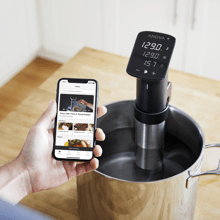
Anova Precision Cooker Pro is a game-changer in the world of sous vide cooking. With its robust construction and powerful performance, it’s a favorite among professional chefs and home cooks alike. Its 1200 watts of power ensure rapid heating and precise temperature control, allowing you to achieve restaurant-quality results every time. The intuitive interface and Wi-Fi connectivity enable seamless control via the Anova app, making cooking a hassle-free experience. Its durable stainless steel body and detachable clamp make it easy to use and maintain.


Breville Joule Sous Vide:

Breville Joule Sous Vide combines elegance with efficiency, making it a must-have for discerning chefs. Its 1100 watts of power and compact design make it ideal for both professional kitchens and home use. The Joule app offers a wide range of recipes and cooking tips, making it easy to master sous vide cooking techniques. With precise temperature control and rapid heating capabilities, it delivers consistent results with minimal effort. The sleek stainless steel construction and magnetic base enhance its durability and usability, making it a valuable addition to any kitchen.

Did you know Breville also makes a ‘professional’ model with their Breville Polyscience HydroPro Plus Sous Vide Immersion Circulator, 1450 Watt unit.


SousVide Supreme Touch

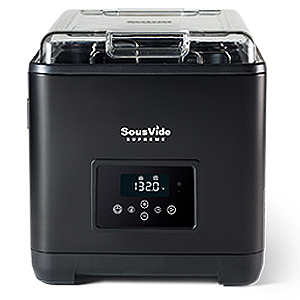
SousVide Supreme Touch is known for its simplicity. The Touch 9 Liter’s unit is self-contained and said to be more energy-efficient than immersion circulator models. Once at temperature, the water oven uses about the energy of a 25W light bulb. This sous vide water oven has double-wall insulation and a see-through lid that contains steam to prevent evaporation, help retain heat and lower its energy consumption. The lid also doubles as a tray for transporting pouches and the cool-touch housing also protects the countertop from scorching and prevents accidental burns.


KitchenBoss Sous Vide Cooker:

KitchenBoss Sous Vide Cooker is a budget-friendly option that doesn’t compromise on performance. With 1100 watts of power and intuitive controls, it delivers restaurant-quality results without breaking the bank. The compact design and easy-to-read display make it suitable for both professional kitchens and home use. Its precise temperature control and timer functions ensure precise cooking, while the durable construction ensures long-lasting performance. Whether you’re a seasoned chef or a novice cook, KitchenBoss Sous Vide Cooker is sure to elevate your culinary creations.


Instant Pot Accu Slim Sous Vide

Instant Pot is a name you trust and it makes sense to consider their Sous Vide Machine – especially when it gets high marks from home chefs. The Instant Pot Accu Sous Vide machine adapts to any recipe, with cooking times from 1 minute to 72 hours and temperatures from 68°F to 203°F (20°C to 95°C). It also auto stops when you remove it from water which is nice and the entire unit is waterproof.


Is THIS the Best Sous Vide Machine?

Don’t just take my word for it. Thousands of home chefs have made Anova the #1 name in Sous vide machines and the Anova Precision Cooker Pro stands out as the ultimate sous vide machine in their lineup. Its combination of power, precision, and usability make it a cut above the rest. The 1200 watts of power ensure rapid heating and precise temperature control, allowing for flawless culinary creations. The intuitive interface and Wi-Fi connectivity make it easy to use, while the durable stainless steel construction ensures longevity. Whether you’re a professional chef or a home cook, the Anova Precision Cooker Pro is sure to elevate your sous vide cooking experience to new heights.


Resources for Further Reading

To learn more about sous vide cooking, check out these detailed guides and articles:

  1. The Spruce Eats’ Beginner’s Guide to Sous Vide Cooking​ (The Spruce Eats)​
  2. Anova Culinary’s Everything You Need to Know about Sous Vide​ (Anova Culinary)​
  3. Taste of Home’s Guide on What is Sous Vide Cooking​ (Taste of Home)​
  4. MasterClass’s Overview on Sous Vide Cooking​ (The Spruce Eats)​
  5. WebMD’s Explanation of Sous Vide​ (The Spruce Eats)​.

These resources provide comprehensive insights into the sous vide method, equipment recommendations, and additional tips to help you get started with this innovative cooking technique.


What to read next?

Traeger Flatrock Grill vs Blackstone Griddle

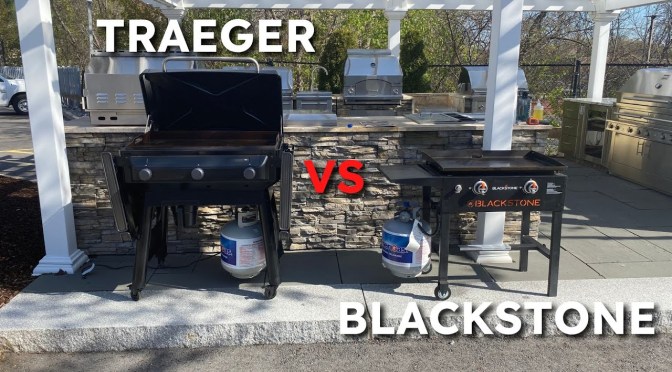
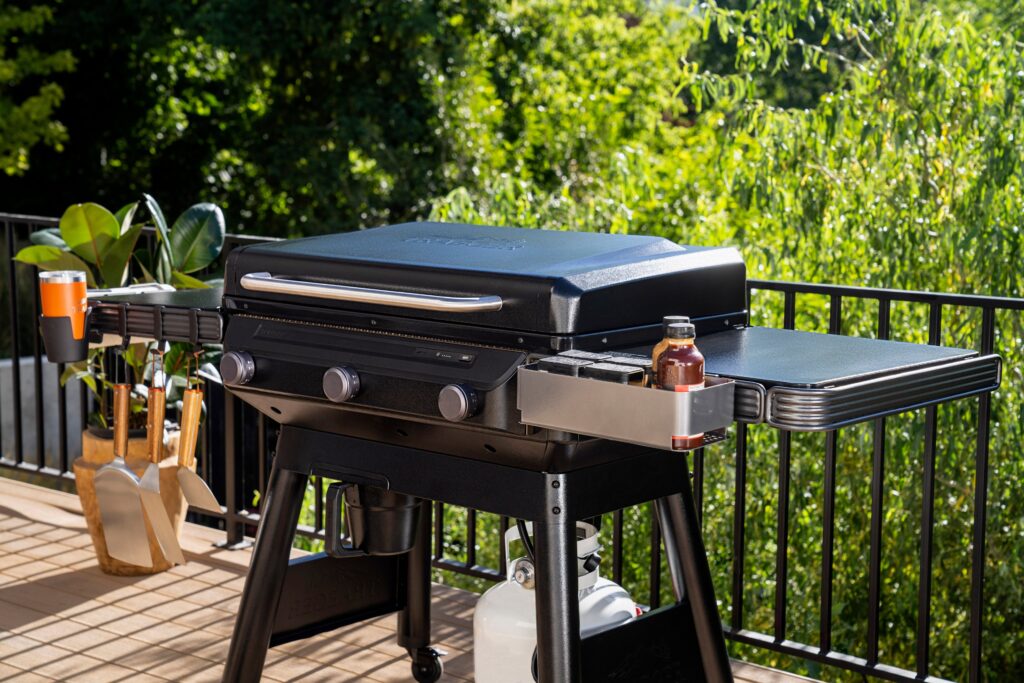
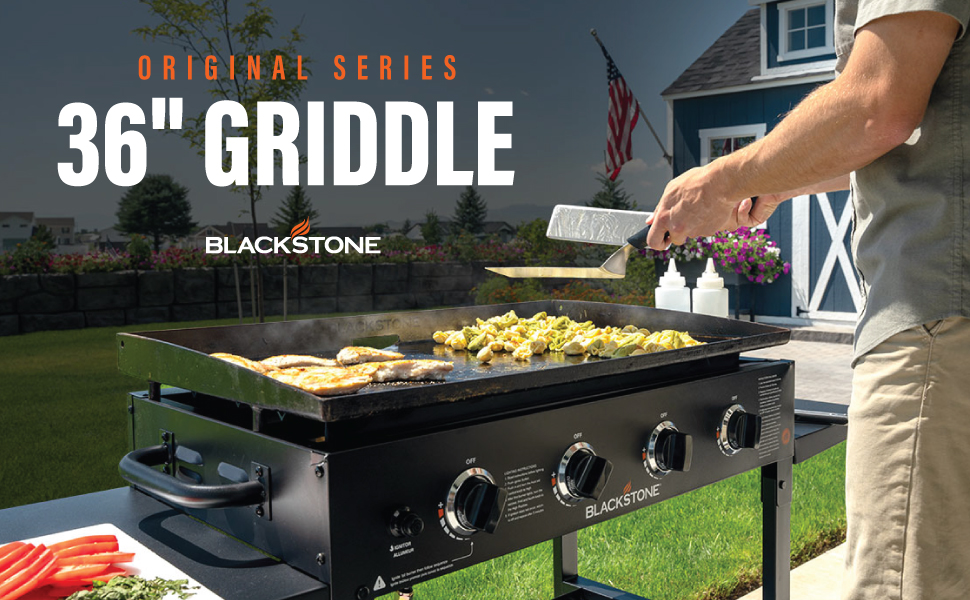
When it comes to outdoor cooking, griddles have gained immense popularity for their versatility and efficiency. If you read my blog you know I love my griddle cooking. Blackstone is the current leader in the griddle world, but Traeger has a new entry with their Flatrock Grill. Let’s compare the Traeger Flatrock Grill and the most popular Blackstone 36-Inch Griddle and see what we find out…

Overview of Traeger Flatrock Grill and Blackstone 36-Inch Griddle

Traeger Flatrock Grill

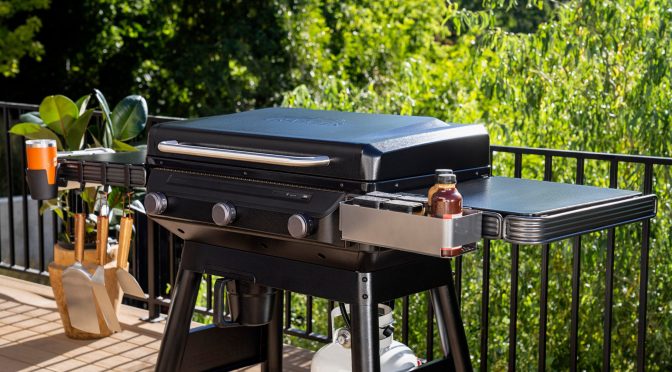
The Traeger Flatrock Grill offers a robust build, precise temperature control, and versatile cooking capabilities. You can read my full review here: What is the Traeger Flatrock?

Blackstone 36-Inch Griddle

Blackstone is a well-established name in the griddle market, renowned for its reliable and versatile products. The Blackstone 36-Inch Griddle is a flagship model that offers a large cooking surface (769 sq inches!), powerful burners, and user-friendly features, making it a favorite among grilling enthusiasts.

Key Features Comparison

Let’s evaluate the Traeger Flatrock Grill and the Blackstone 36-Inch Griddle based on several key features: cooking surface, burners and heat distribution, versatility, temperature control, ease of use, build quality, and value for money.

1. Cooking Surface

Traeger Flatrock Grill:

  • The Traeger Flatrock Grill features a cooking surface of approximately 600 square inches.
  • The surface is made of cold-rolled steel, which is known for its excellent heat retention and even heat distribution.

Blackstone 36-Inch Griddle:

  • The Blackstone 36-Inch Griddle offers a larger cooking surface, around 770 square inches!
  • The surface is constructed from cold-rolled steel, similar to the Traeger, ensuring good heat retention and distribution.

Comparison:
The Blackstone 36-Inch Griddle provides a larger cooking area, making it more suitable for cooking for large groups or preparing multiple dishes at once. Both griddles use cold-rolled steel, which ensures consistent heat across the surface. WINNER BLACKSTONE

2. Burners and Heat Distribution

Traeger Flatrock Grill:

  • The Flatrock Grill comes with a three-burner system.
  • Each burner can be controlled independently, allowing for different cooking zones and precise heat management.

Blackstone 36-Inch Griddle:

  • The Blackstone Griddle is equipped with a four-burner system.
  • Independent control for each burner allows for versatile cooking zones and efficient heat distribution.

Comparison:
The Blackstone griddle has an additional burner compared to the Traeger, providing more control over heat zones and potentially better heat distribution across the larger cooking surface. However, both models offer excellent heat control capabilities. WINNER – BLACKSTONE

3. Versatility

Traeger Flatrock Grill:

  • The Traeger Flatrock Grill excels in versatility, capable of cooking a wide variety of foods from breakfast items to dinner entrees.
  • The flat top surface allows for searing, sautéing, and frying.

Blackstone 36-Inch Griddle:

  • The Blackstone 36-Inch Griddle is also highly versatile, accommodating a wide range of cooking styles.
  • It can handle everything from pancakes and eggs to steaks and stir-fries.

Comparison:
Both griddles offer similar versatility, allowing users to cook a wide range of foods. The choice between the two might come down to personal preference or specific cooking needs, but in terms of versatility, both models perform exceptionally well. WINNER – TIE

4. Temperature Control

Traeger Flatrock Grill:

  • Features precise temperature control knobs for each burner.
  • A built-in thermometer helps monitor the cooking surface temperature.

Blackstone 36-Inch Griddle:

  • Equipped with individual control knobs for each burner.
  • Lacks a built-in thermometer, but the controls are intuitive and responsive.

Comparison:
The Traeger Flatrock Grill has an edge with its built-in thermometer, providing an additional layer of temperature monitoring. However, both griddles offer precise and responsive temperature control through their burner knobs. WINNER – TRAEGER

5. Ease of Use

Traeger Flatrock Grill:

  • Features a push-button ignition system for quick startup.
  • Includes side shelves and hooks for utensils, enhancing convenience.

Blackstone 36-Inch Griddle:

  • Also features a push-button ignition system for easy lighting.
  • Comes with a side shelf and a bottom shelf for storage, as well as hooks for utensils.

Comparison:
Both griddles are designed with user convenience in mind. They feature push-button ignition systems and include additional storage and organization options, making them both easy to use. WINNER – TIE

6. Build Quality

Traeger Flatrock Grill:

  • Constructed with high-quality materials, including a powder-coated finish to resist rust and corrosion.
  • The build quality reflects Traeger’s reputation for durable and reliable products.

Blackstone 36-Inch Griddle:

  • Built with robust materials designed to withstand outdoor conditions.
  • Features a powder-coated steel frame and a thick cold-rolled steel griddle top.

Comparison:
Both griddles are constructed from high-quality materials and are built to last. Traeger and Blackstone both have strong reputations for producing durable outdoor cooking equipment, so build quality is excellent in both models. WINNER – TIE

7. Value for Money

Traeger Flatrock Grill:

  • Priced at a premium, reflecting its high-quality construction and advanced features.
  • Offers excellent value for those seeking a versatile and reliable griddle.

Blackstone 36-Inch Griddle:

  • Generally more affordable than the Traeger Flatrock Grill.
  • Provides a large cooking surface and versatile features at a competitive price point.

Comparison:
The Blackstone 36-Inch Griddle offers better value for money, especially for those on a budget or needing a larger cooking surface without a high investment. The Traeger Flatrock Grill, while more expensive, justifies its price with its additional features and build quality. WINNER – BLACKSTONE

Features Winner: BLACKSTONE


User Feedback and Reviews

Don’t just take my word for it, let’s see what other people have to say…

Traeger Flatrock Grill

Users of the Traeger Flatrock Grill often praise its versatility and build quality. The precise temperature control and even heat distribution are highlighted as significant advantages. However, some users note the premium price as a potential drawback.

Common Praises:

  • Excellent heat retention and distribution.
  • Versatile cooking capabilities.
  • High-quality construction.

Common Criticisms:

  • Higher price point.
  • Slightly smaller cooking surface compared to some competitors.

Blackstone 36-Inch Griddle

The Blackstone 36-Inch Griddle receives positive feedback for its large cooking surface, powerful burners, and affordability. Users appreciate the griddle’s ability to cook large quantities of food efficiently and its overall ease of use.

Common Praises:

  • Large cooking surface.
  • Affordable price.
  • Powerful and efficient burners.

Common Criticisms:

  • Lack of built-in thermometer.
  • Occasional maintenance required to prevent rust.

Video Comparison

I also found this video review of both griddles to be a helpful discussion. It’s from a 3rd party I have no affiliation with but the information shared is good…


Final Verdict: Which One to Choose?

Choosing between the Traeger Flatrock Grill and the Blackstone 36-Inch Griddle ultimately depends on your specific needs and preferences. Here’s a summary to help you decide:

Choose the Traeger Flatrock Grill if:

  • You prioritize high build quality and advanced features like a built-in thermometer and the Traeger name.
  • You are willing to invest in a premium product.
  • You prefer a smaller, somewhat more manageable cooking surface.

Choose the Blackstone 36-Inch Griddle if:

  • You need a larger cooking surface for cooking for large groups.
  • You are looking for a more affordable option.
  • You value powerful burners and efficient heat distribution.
  • You want the market leader

Both the Traeger Flatrock Grill and the Blackstone 36-Inch Griddle offer exceptional performance and versatility. The decision between the two will depend on your budget, cooking needs, and preference for specific features. Either way, both griddles are excellent choices for enhancing your outdoor cooking experience.


What to read next?

How to Recover Deleted Files

You accidentally deleted something and want to recover it. Let’s look at the various things you can do to try to recover your files across various devices.

Accidentally deleting files happens to the best of us. Whether it’s an important document for work, cherished photos, or crucial data, the sinking feeling that accompanies realizing you’ve deleted something valuable is universal. However, the good news is that in many cases, deleted files aren’t lost forever. With the right tools and methods, you can often recover them successfully.

Understanding How Deletion Works:

Before delving into recovery methods, it’s essential to understand how file deletion works. When you delete a file from your computer, phone, or any other device, it’s not immediately erased from existence. Instead, the operating system simply marks the space occupied by the deleted file as available for new data.

Until that space is overwritten by new information, there’s a good chance the deleted file remains intact.

Precautions Before Recovery:

Before attempting to recover deleted files, it’s crucial to take some precautions to maximize your chances of success:

  1. Stop Using the Device: If you’ve accidentally deleted a file, refrain from using the device as much as possible. Continued use increases the likelihood of overwriting the deleted data.
  2. Check Recycle Bin/Trash: On Windows and macOS, deleted files often end up in the Recycle Bin or Trash, respectively. Before resorting to other methods, check these locations first.
  3. Backup: Regularly backing up your important files is the best defense against data loss. If you have a backup, recovering deleted files becomes significantly easier.

Options for Recovering Deleted Files:

Restore from Backup:

  • If you’ve backed up your files using a cloud service, external hard drive, or software solution, restoring from backup is often the simplest and most effective method. Most backup solutions allow you to selectively restore specific files or folders.

Using File Recovery Software:

  • When files are deleted from your device, they’re not immediately wiped from the storage. File recovery software can scan the storage for remnants of deleted files and attempt to recover them.
  • Popular file recovery software includes Recuva, EaseUS Data Recovery Wizard, and Stellar Data Recovery. These programs offer user-friendly interfaces and various scanning options to suit different needs.

Utilizing System Restore Points – Windows

  • Windows users can take advantage of System Restore Points to revert their system to a previous state, including recovering deleted files. However, this method only works if you’ve enabled System Restore and created restore points before the file deletion occurred.

Check Temporary Files:

  • Sometimes, when you edit a file, temporary copies are created. These copies might still be available even if the original file is deleted. Check temporary folders or use specialized software to recover temporary files.

Seek Professional Help:

  • If all else fails or if the data is particularly crucial, consider seeking assistance from professional data recovery services. These services have specialized equipment and expertise to recover data from physically damaged devices or in cases where software solutions prove inadequate.

Tips for Successful Recovery:

  • Act Quickly: The sooner you attempt to recover deleted files, the higher the chances of success, as the likelihood of overwriting deleted data decreases.
  • Avoid Writing New Data: Until you’ve completed the recovery process, avoid saving or downloading new files to the device to prevent overwriting deleted data.
  • Use Reliable Software: When using file recovery software, opt for reputable and trusted programs to minimize the risk of further data loss or damage.
  • Regularly Back Up Your Files: Prevention is always better than cure. Make it a habit to regularly back up your important files to prevent data loss in the first place.

All is not lost

Accidentally deleting files can be a stressful experience, but it’s not necessarily the end of the road for your data. With the right knowledge and tools, you can often recover deleted files successfully. Remember to act quickly, use reliable methods, and take precautions to avoid further data loss. And above all, make regular backups of your important files to minimize the impact of accidental deletions in the future.

What to read next?

Traeger Flatrock Griddle Review

The Traeger Flatrock Grill is an innovative addition to the world of outdoor cooking, bringing a new dimension to the classic grilling experience. Known for their pioneering work with pellet grills, Traeger has ventured into the realm of flat top griddles with the Flatrock, aiming to offer a versatile and high-performing appliance that caters to a wide range of culinary styles and preferences AND tries to compete with the current griddle king BLACKSTONE.

Does the Flatrock stand up to the hype? Let’s find out.

Features of the Traeger Flatrock Grill

The Traeger Flatrock Grill stands out due to its robust build, advanced temperature control, and versatile cooking surface. Here’s a detailed look at the key features:

1. Cooking Surface and Build Quality

The Flatrock Grill boasts a substantial cooking surface, typically around 600 square inches, made from cold-rolled steel. This material is known for its excellent heat retention and even distribution, ensuring that the entire surface remains consistently hot. The grill’s structure seems to be sturdy and designed to withstand outdoor elements, with a powder-coated finish that resists rust and corrosion.

2. Three-Burner System

Equipped with a three-burner system, the Flatrock Grill provides independent temperature control across different sections of the grill. This feature allows users to cook multiple items simultaneously at different temperatures, a significant advantage when preparing a variety of dishes that require precise heat management.

3. Versatility

One of the main things I love about griddle cooking is versatility.

And this is true of the Flatrock Grill too. Unlike traditional grills that are limited to direct and indirect grilling, the flat top surface opens up a plethora of cooking possibilities. Users can easily sear steaks, sauté vegetables, cook breakfast foods like pancakes and eggs, or prepare stir-fry meals. The flat surface is also ideal for foods that might fall through traditional grates, such as small seafood or finely chopped vegetables.

4. Temperature Control

The Flatrock Grill features precise temperature control knobs, enabling users to fine-tune the heat output for each burner. This precision is crucial for cooking delicate items that require lower temperatures or for achieving a perfect sear on high heat.

Additionally, the grill includes a built-in thermometer to monitor the cooking surface temperature accurately – that’s really convenient!

5. Ease of Use and Maintenance

Ease of use is a hallmark of the Traeger brand, and the Flatrock Grill is no exception. My Traegers have never let me down and they are easy to maintain.

I find the flat top surface easier to clean than traditional grill grates, and the inclusion of a grease management system ensures that cooking residue is efficiently collected and disposed of. The grill also features a push-button ignition system, making startup quick and straightforward.


Review of the Traeger Flatrock Grill

Now let’s evaluate the Traeger Flatrock Grill based on several criteria: performance, versatility, ease of use, build quality, and value for money.

Performance

The performance of the Traeger Flatrock Grill is exceptional. I expect this is due to its advanced burner system. The cold-rolled steel surface heats evenly and maintains consistent temperatures, which is crucial for achieving optimal cooking results. The three-burner system allows for precise heat control, making it easy to cook a wide range of foods simultaneously. Users have reported that the grill reaches desired temperatures quickly and retains heat efficiently, minimizing fuel consumption.

Versatility

Like I said before – versatility is where the Flatrock Grill truly shines. The flat top surface is perfect for a variety of cooking techniques that traditional grills struggle with. From breakfast foods like pancakes and bacon to complex dishes like stir-fried noodles or fajitas, the Flatrock Grill handles it all with ease. The ability to cook different foods at different temperatures simultaneously adds a layer of convenience.

Ease of Use

The Flatrock Grill is designed with convenience in mind. The push-button ignition system ensures a hassle-free start, and the temperature control knobs are intuitive and responsive. Cleaning the grill is straightforward due to the flat top surface and the effective grease management system. Additionally, the grill’s design includes side shelves and hooks for utensils, enhancing the overall experience by keeping everything within easy reach.

Build Quality

Traeger’s reputation for quality is evident in the Flatrock Grill. The materials used, including the cold-rolled steel cooking surface and the powder-coated exterior, are durable and built to withstand the rigors of outdoor cooking. The overall construction feels solid and reliable, with attention to detail that ensures longevity and consistent performance.

Value for Money

While the Traeger Flatrock Grill is priced higher than some of its competitors, I’d like to believe the extra cost is justified by its (hopefully) long term superior performance, versatility, and build quality. If you’re looking for versatile griddle grill, you’ll find that the Flatrock offers excellent value for money.


Traeger Flatrock Video Overview

User Feedback

Don’t just take my word for it on the Flatrock. Look at the many user reviews out there and I’ll think you’ll find that the reviews for the Traeger Flatrock Grill is overwhelmingly positive. Many praise the grill for its versatility and ease of use like I told you about. Others say the even heat distribution and precise temperature control are standout features.

On the other hand, some users have pointed out minor drawbacks, such as the grill’s weight and size, making it less portable than smaller grills and if you need a portable griddle, this is probably not your best choice.

Is the Flatrock your next griddle?

The Traeger Flatrock Grill is a standout product in the realm of outdoor cooking, offering a versatile, high-performing, and durable solution for a wide range of griddle endeavors. Its combination of precise temperature control, even heat distribution, and a spacious cooking surface makes it a valuable addition to any outdoor kitchen. While it comes at a higher price point than most Blackstone models, the investment is well worth it for those who know the reliability of a Traeger and for a unit that is large enough to handle everything from breakfast to dinner with ease.

Overall, I think the Traeger Flatrock Grill lives up to the Traeger reputation for innovation and quality, providing users with a premium grilling experience that is both enjoyable and efficient. Whether you are a seasoned grill master or a novice cook, the Flatrock Grill is designed to enhance your outdoor cooking adventures, making it a worthwhile addition to your culinary arsenal.


What to read next?

Battle of the Ironwoods – Traeger Ironwood XL vs Ironwood 885: Who Wins?

Let’s compare the new Traeger Ironwood Xl vs their Ironwood 885 pellet grill and see who’s the champ? When it comes to outdoor cooking, particularly smoking and grilling, Traeger has established itself as a premium brand, known for its innovative pellet grills and readers of my blog know how much I love my Traeger Ironwood – it’s my #1 go to grill. Among its extensive lineup, the Ironwood series from Traeger stands out for its blend of advanced features and user-friendly design. Two of the most popular models in this series are the Traeger Ironwood XL and the Traeger Ironwood 885. In this article, we provide detailed comparison of these two models, examining their pros and cons, and ultimately determine which one comes out on top.


Overview of the new Traeger Ironwood XL

The Traeger Ironwood XL is one of the newer additions to the Ironwood series, designed to cater to serious grilling enthusiasts and larger gatherings. It boasts a larger cooking area, advanced technology, and enhanced features that promise to elevate the grilling experience.

Key Features of the Traeger Ironwood XL:

  1. Cooking Capacity: The Ironwood XL offers an impressive 924 square inches of cooking space, making it suitable for large parties or big families.
  2. WiFIRE Technology: Like other premium Traeger models, the Ironwood XL comes equipped with WiFIRE technology, allowing users to control the grill remotely via a smartphone app.
  3. D2 Direct Drive: This feature ensures precise temperature control and efficient pellet consumption.
  4. Super Smoke Mode: This mode increases smoke output at lower temperatures, enhancing the smoky flavor of the food.
  5. Double Side-Wall Insulation: This feature helps maintain consistent temperatures, even in colder weather, ensuring efficient cooking year-round.
  6. Pellet Sensor: Alerts users when the pellet level is low, ensuring uninterrupted cooking sessions.
  7. Built-In Meat Probes: Allows for precise monitoring of internal food temperatures without opening the grill.

Overview of the Traeger Ironwood 885

The Traeger Ironwood 885 has been a favorite among pellet grill enthusiasts for its balanced size, advanced features, and reliable performance. It offers a slightly smaller cooking area compared to the Ironwood XL but still packs a punch with its capabilities.

Key Features of the Traeger Ironwood 885:

  1. Cooking Capacity: With 885 square inches of cooking space, it provides ample room for most grilling needs, from family dinners to small gatherings.
  2. WiFIRE Technology: Also equipped with WiFIRE, it allows for remote control and monitoring via a smartphone app.
  3. D2 Direct Drive: Ensures consistent and efficient temperature control and pellet usage.
  4. Super Smoke Mode: Similar to the Ironwood XL, it enhances the smoke flavor at lower temperatures.
  5. Double Side-Wall Insulation: Keeps the cooking temperature stable, even in challenging weather conditions.
  6. Pellet Sensor: Monitors pellet levels to prevent unexpected run-outs.
  7. Built-In Meat Probes: Provides accurate internal temperature readings for perfect results.

Pros and Cons of the Traeger Ironwood XL

Pros:

  1. Large Cooking Space: The 924 square inches of cooking area is ideal for large gatherings, allowing users to cook multiple dishes simultaneously.
  2. Advanced Technology: Features like WiFIRE, D2 Direct Drive, and Super Smoke Mode make it a technologically advanced grill, enhancing the overall cooking experience.
  3. Durability and Insulation: The double side-wall insulation ensures consistent temperatures, improving cooking efficiency and fuel economy.
  4. User-Friendly Features: The pellet sensor and built-in meat probes add convenience and precision to the cooking process.

Cons:

  1. Size and Portability: The larger size can be a disadvantage for those with limited outdoor space or who need a portable grill.
  2. Price: The advanced features and larger size come at a higher price point, which may not be justifiable for casual users.
  3. Pellet Consumption: The larger cooking area can lead to higher pellet consumption, increasing the operational cost over time.

Pros and Cons of the Traeger Ironwood 885

Pros:

  1. Adequate Cooking Space: The 885 square inches of cooking area is sufficient for most users, balancing capacity and efficiency.
  2. Technological Integration: WiFIRE technology and D2 Direct Drive offer advanced control and efficiency, making it a smart choice for tech-savvy users.
  3. Consistent Performance: Double side-wall insulation and Super Smoke Mode ensure reliable and flavorful cooking results.
  4. Value for Money: The Ironwood 885 provides a good balance of features and performance at a slightly lower price point than the Ironwood XL.

Cons:

  1. Size Limitation: Although adequate, the cooking space might be insufficient for very large gatherings or events.
  2. Price: While cheaper than the Ironwood XL, it is still a significant investment compared to entry-level grills.
  3. Weight and Portability: It is still relatively heavy and not the easiest to move around, which might be a concern for some users.

Comparing Performance and User Experience

Cooking Capacity – Ironwood XL

The Ironwood XL clearly wins in terms of sheer cooking space, making it a better choice for users who frequently host large gatherings. The Ironwood 885, while slightly smaller, is still substantial enough for most needs.

Technological Features – Tie

Both models are on par with each other regarding technological features. The inclusion of WiFIRE, D2 Direct Drive, and Super Smoke Mode in both models ensures that users get a top-tier grilling experience regardless of the choice.

Temperature Control and Consistency – TIE

The double side-wall insulation in both models ensures that they perform reliably in maintaining consistent temperatures. This is crucial for achieving the best results in smoking and grilling, particularly in varying weather conditions. Both grills are the same here too.

Ease of Use – TIE

Features like the pellet sensor and built-in meat probes enhance the user experience by adding convenience and precision. Both models score equally in this regard, making the cooking process straightforward and enjoyable.

Price and Value – Ironwood 885

The Ironwood 885 offers excellent value for its features, making it a more economical choice for users who don’t require the extensive cooking area of the Ironwood XL – you could save $500 or more going with the 885 model.

Final Verdict: Choosing the Overall Winner

Deciding between the Traeger Ironwood XL and the Traeger Ironwood 885 ultimately depends on your specific needs and preferences. Here’s a breakdown to help you make an informed decision:

For Larger Gatherings and The Newest Glitz – Ironwood XL

If you frequently host large gatherings or need to cook multiple dishes simultaneously, the Traeger Ironwood XL is the winner – but only by a hair. Its larger cooking space of 924 square inches can handle significant food quantities, making it ideal for big families, parties, or events- but keep in mind this is only slightly more than the 885. The advanced features and technological integrations further enhance its appeal – including the addition of the Pop-N-Lock Accessory panel which allows you to more easily store your cooking utensils is cool. Furthermore the overall design of the barrel is different and may appeal to those who like something new. Are these updates enough to justify the added cost? Only you can decide on that one. If budget is not a problem and you want the latest and greatest Traeger, the Ironwood XL sure is an awesome grill and you’re sure to enjoy a top-tier grilling experience on it – and look cool doing it.

For Balanced Performance and Value – Ironwood 885

If you are looking for a grill that offers nearly the same advanced features and proven reliable performance at a much lower price, the Traeger Ironwood 885 is the better choice in my opinion. The Ironwood 885 provides more than enough cooking space for most people, coupled with nearly the same technological advancements found in the Ironwood XL. Moreover, it offers better value for money, making it a more practical option for those who do not require the slightly extra capacity of the Ironwood XL or the ability to stick a few spatulas on the PAL rack. Take that $500 you saved and buy some more useful accessories or spices – you’ll be glad you did.

What’s YOUR preference?

Both the Traeger Ironwood XL and the Traeger Ironwood 885 are exceptional pellet grills, each catering to specific needs. The Ironwood XL stands out for its larger cooking area and advanced features, making it perfect for large gatherings and serious grilling enthusiasts.

On the other hand, the Ironwood 885 offers a more balanced approach with sufficient cooking space and the same advanced features, making it a better value for most users.And while I wouldn’t turn down a free Ironwood XL…

The Ironwood 885 is still MY personal winner in today’s Battle of the Ironwoods!


What to Read Next?

How to Secure your Wi-Fi Network – 12 tips

In today’s interconnected world, securing your Wi-Fi network is crucial to protect your personal information, sensitive data, and connected devices from potential threats. With cyberattacks on the rise and hackers constantly seeking vulnerabilities, implementing robust security measures for your Wi-Fi network is essential. In this How To Guide, we’ll walk you through step-by-step instructions and best practices to ensure the security of your Wi-Fi network, safeguarding your digital assets and maintaining your privacy.

Understanding Wi-Fi Security:

Before delving into the specifics of securing your Wi-Fi network, it’s important to understand the fundamentals of Wi-Fi security protocols and potential vulnerabilities.

Wi-Fi Security Protocols:

  • WEP (Wired Equivalent Privacy): An outdated and insecure protocol susceptible to brute-force attacks.
  • WPA (Wi-Fi Protected Access): Introduced as a replacement for WEP, WPA offers stronger encryption methods, but earlier versions (WPA and WPA2) have known vulnerabilities.
  • WPA3: The latest Wi-Fi security protocol, offering enhanced encryption and protection against various attacks. It’s recommended to use WPA3 whenever possible for improved security.

Common Wi-Fi Vulnerabilities:

  • Weak Passwords: Default or easily guessable passwords make your Wi-Fi network vulnerable to unauthorized access.
  • Lack of Encryption: Unencrypted Wi-Fi networks allow attackers to intercept and eavesdrop on data transmissions.
  • Outdated Firmware: Failure to update router firmware leaves your network exposed to known security vulnerabilities.
  • Unauthorized Access: Failure to restrict access to authorized users increases the risk of unauthorized devices connecting to your network.

Now that we have a foundational understanding of Wi-Fi security, let’s explore how to secure your Wi-Fi network effectively.

Step-by-Step Guide to Securing Your Wi-Fi Network:

Change Default Settings:

  • Access your router’s settings by typing its IP address into a web browser.
  • Change the default admin username and password to a strong, unique combination to prevent unauthorized access to your router’s settings.
  • Disable remote management to prevent attackers from accessing your router’s settings remotely.

Update Firmware:

  • Regularly check for firmware updates from your router manufacturer and install them promptly to patch known vulnerabilities and improve security.
  • Enable automatic firmware updates if your router supports this feature to ensure you’re always running the latest version.

Enable Encryption:

  • Use WPA3 encryption if your router and devices support it for the highest level of security. Otherwise, opt for WPA2 encryption.
  • Choose a strong passphrase (at least 20 characters long) for your Wi-Fi network password, comprising a mix of letters, numbers, and special characters.

Hide SSID (Service Set Identifier):

  • Disable SSID broadcasting to prevent your network name from being broadcasted publicly.
  • While hiding the SSID won’t make your network invisible to determined attackers, it adds an extra layer of obscurity and may deter casual attempts to connect to your network.

Implement Network Segmentation:

  • Create separate network segments for different types of devices, such as IoT devices, guest devices, and personal devices.
  • Use VLANs (Virtual Local Area Networks) to isolate network traffic and restrict access between segments, preventing unauthorized devices from accessing sensitive data.

Enable Network Firewall:

  • Activate the firewall feature on your router to filter incoming and outgoing traffic and block suspicious or malicious connections.
  • Configure firewall rules to restrict access to specific ports and protocols, further enhancing network security.

Enable MAC Address Filtering:

  • MAC address filtering allows you to specify which devices are allowed to connect to your Wi-Fi network based on their unique MAC addresses.
  • While MAC address filtering alone isn’t foolproof (MAC addresses can be spoofed), it adds an additional layer of access control.

Disable WPS (Wi-Fi Protected Setup):

  • WPS is a feature that allows users to connect devices to a Wi-Fi network quickly by pressing a button or entering a PIN.
  • However, WPS is vulnerable to brute-force attacks and should be disabled to prevent unauthorized access to your network.

Enable Network Monitoring and Logging:

  • Configure your router to log network activity and monitor for unusual or suspicious behavior.
  • Regularly review the logs for any signs of unauthorized access or suspicious activity and take appropriate action if necessary.

Physical Security Measures:

  • Place your router in a secure location to prevent physical access by unauthorized individuals.
  • Consider using a lockable cabinet or enclosure to protect your router from tampering or theft.

Regularly Review Connected Devices:

  • Periodically review the list of connected devices on your router’s admin interface to ensure that only authorized devices are connected.
  • Remove any unfamiliar or unauthorized devices from the network immediately.

Educate Users:

  • Educate family members or employees about the importance of Wi-Fi security and best practices for protecting their devices and credentials.
  • Encourage the use of strong, unique passwords for Wi-Fi and other online accounts.

Can you do it?

Securing your Wi-Fi network is an ongoing process that requires vigilance and proactive measures to mitigate potential risks and vulnerabilities, but you CAN do it. By following the step-by-step instructions and best practices outlined in this guide, you can significantly enhance the security of your Wi-Fi network and protect your digital assets from unauthorized access and cyber threats. Remember to regularly update your security measures, stay informed about emerging threats, and adapt your defenses accordingly to maintain a secure and resilient Wi-Fi environment.

What to Read Next?

How to Set Up Dual Monitors: A Comprehensive Guide for Mac and Windows PC Users

In today’s digital age, having multiple monitors can significantly enhance productivity and workflow efficiency for both Mac and Windows PC users. Whether you’re a creative professional needing more screen space for design work or a multitasker like me who’s always looking to streamline workflow, setting up dual monitors is a relatively simple process that can yield substantial benefits. In this guide, we’ll walk you through step-by-step instructions on how to set up dual monitors for both Mac and Windows PC systems, highlighting the similarities and differences along the way.

Understanding Dual Monitors:

Before diving into the setup process, it’s essential to understand the basics of dual monitors. Dual monitors, also known as dual display or multi-monitor setup, involve connecting two monitors to a single computer, allowing you to extend your desktop across both screens. This setup offers several advantages, including increased workspace, improved multitasking capabilities, and enhanced productivity.

Setting Up Dual Monitors on a Mac:

Mac users can easily configure dual monitors using the built-in features of macOS. Here’s a step-by-step guide to setting up dual monitors on your Mac:

Step 1: Check Compatibility and Ports:
Ensure that your Mac supports dual monitors and identify the available ports for connecting your monitors. Most modern Mac computers come equipped with Thunderbolt or USB-C ports, which can be used to connect external displays.

Step 2: Connect the Monitors:
Using the appropriate cables or adapters, connect your additional monitor(s) to the available ports on your Mac. For example, if your Mac has Thunderbolt 3 ports, you may need Thunderbolt to HDMI or Thunderbolt to DisplayPort adapters to connect the monitors.

Step 3: Adjust Display Settings:
Once the monitors are connected, navigate to “System Preferences” on your Mac and select “Displays.” In the Displays preference pane, you’ll see options to arrange and configure the connected monitors. You can choose to mirror your displays or extend your desktop across both screens. Adjust the resolution, refresh rate, and orientation as needed.

Step 4: Arrange Display Layout:
Drag and arrange the display icons to match the physical layout of your monitors. You can specify the primary display and set the arrangement to your preference. macOS allows for flexible positioning of displays, making it easy to customize your workspace.

Step 5: Fine-Tune Settings:
Explore additional display settings in System Preferences to customize the behavior of your dual monitors further. You can adjust color profiles, display mirroring options, and screen savers according to your preferences.

Keyboard Shortcut for Mirroring (Mac): Press Command + F1 to toggle between extended desktop mode and mirrored display mode. If you’re using an external keyboard with a Mac laptop, you may need to use the “fn” key along with the Command + F1 shortcut.

Setting Up Dual Monitors on a Windows PC:

Windows PC users can also configure dual monitors using the native features of the operating system. Here’s a detailed guide to setting up dual monitors on your Windows PC:

Step 1: Check Compatibility and Ports:
Verify that your Windows PC supports dual monitors and identify the available ports for connecting your monitors. Most modern PCs feature HDMI, DisplayPort, or VGA ports for connecting external displays.

Step 2: Connect the Monitors:
Using the appropriate cables or adapters, connect your additional monitor(s) to the available ports on your PC. Ensure that the monitors are securely connected and powered on.

Step 3: Adjust Display Settings:
Right-click on the desktop and select “Display settings” from the context menu. In the Display settings window, you’ll see options to configure the multiple displays. Windows allows you to extend, duplicate, or project your desktop onto the connected monitors. Select the “Extend desktop to this display” option to use dual monitors.

Step 4: Arrange Display Layout:
Drag and drop the display icons to arrange the monitors according to their physical placement. You can specify which monitor is the primary display and adjust the orientation as needed. Windows offers flexibility in arranging displays, allowing you to create a seamless workspace.

Step 5: Fine-Tune Settings:
Explore additional display settings in the Display settings window to customize the behavior of your dual monitors. You can adjust the resolution, orientation, scaling, and…

Keyboard Shortcut for Mirroring (Windows PC): Press Windows key + P to open the “Project” menu and cycle through different projection modes. Select the “Duplicate” option to mirror your screen onto the connected monitors.

What to Read Next…

The 5 Best Cold Brew Coffee Makers

In the realm of coffee aficionados, cold brew has carved a niche for itself as the epitome of smoothness, boldness, and depth. And they are great before a workout too! The journey from coffee beans to a refreshing, chilled brew involves more than just steeping; it requires the right tools. As the cold brew trend gains momentum, coffee lovers like me seek the ideal cold brew coffee maker to elevate their at-home brewing experience. Let’s traverse the landscape of cold brew coffee makers, exploring 5 ‘best’ cold brew coffee models and then crowning my personal favorite.

1. OXO Brew Cold Brew Coffee Maker

This sleek, innovative model from OXO Brew has garnered acclaim for its user-friendly design and exceptional brew quality. Equipped with a perforated rainmaker for even water distribution and a switch to control filtration, the OXO Brew Cold Brew Coffee Maker ensures consistency and convenience. Its compact footprint fits snugly on countertops, making it an ideal choice for those with limited space. With a capacity of up to 32 ounces of concentrate, it caters to both solo sippers and avid coffee connoisseurs.

2. Toddy Cold Brew System

For those who prefer a classic approach to cold brew, the Toddy Cold Brew System remains a timeless favorite. This simple yet effective brewing system consists of a brewing container, reusable filters, and a glass decanter. Its patented cold brew process extracts the rich flavor of coffee beans while minimizing acidity, resulting in a smooth, full-bodied brew. With the ability to produce large batches of concentrate that can be stored for up to two weeks, the Toddy Cold Brew System offers convenience without compromising on quality.

3. Hario Mizudashi Cold Brew Coffee Pot

Hario, renowned for its expertise in coffee brewing equipment, delivers excellence with the Mizudashi Cold Brew Coffee Pot. Crafted from durable materials such as heatproof glass and a removable fine mesh filter, this Japanese-designed brewer embodies simplicity and elegance. The Mizudashi’s cone-shaped filter ensures optimal extraction, yielding a clean and vibrant cold brew. Its slim profile and various size options make it suitable for households of all sizes, while its affordability appeals to budget-conscious consumers.

4. County Line Kitchen Cold Brew Coffee Maker

The County Line Kitchen Cold Brew Coffee Maker stands out for its emphasis on craftsmanship and precision. Constructed with a mason jar motif its tough and won’t leach chemicals that other materials may. It also features a top-notch filtration system and a high quality mesh filter that prevents coffee grounds in y our drink. AND its the highest rated cold brew coffee maker on Amazon with over 85% ‘5-star’ ratings from over 24,000 user reviews!

5. Takeya Patented Deluxe Cold Brew Iced Coffee Maker

Takeya’s Patented Deluxe Cold Brew Iced Coffee Maker combines style and functionality to deliver a superior cold brew experience. Featuring a durable BPA-free pitcher with an airtight lid, this brewer ensures freshness and flavor preservation. The fine-mesh coffee filter facilitates thorough extraction, while the non-slip handle provides added convenience during pouring. With its compact size and affordability, the Takeya Cold Brew Maker is an excellent choice for those seeking a reliable and budget-friendly option. And it’s the most purchased cold brew coffee maker on amazon with over 65,000 reviews – over 75% are 5-stars!

The Champion

All 5 of these are good and I nearly went with the County Line Cold Brew coffee maker because that is the most popular and highest rated on Amazon, however my personal preference is the OXO Brew Cold Brew Coffee Maker. That brand has never let me down and they last a long time. So for me the Oxo emerges as the champion among cold brew coffee makers. Its winning combination of innovation, performance, and convenience sets it apart from the competition. The OXO Brew’s thoughtful design features such as the rainmaker for even saturation and the switch for easy filtration demonstrate a commitment to enhancing the brewing experience. Moreover, its compact size and generous capacity make it suitable for a wide range of users, from casual drinkers to coffee enthusiasts. Whether you’re a seasoned barista or a novice brewer, the OXO Brew Cold Brew Coffee Maker empowers you to craft exceptional cold brew with ease.

What’s YOUR choice in Cold Brew Coffee Makers?

The world of cold brew coffee makers offers a diverse array of options to suit every preference and budget. Whether you prioritize simplicity, durability, or innovation, there’s a cold brew coffee maker out there waiting to elevate your brewing game. Let me know which one you like best.

What to read next?

10 Best BBQ Cookbooks – Master the Art of Grilling and Smoking

Who doesn’t love a good barbecue? With with its sizzling meats, smoky flavors, and rich sauces, BBQ is more than just a cooking method; it’s a culinary tradition deeply ingrained in cultures worldwide. Whether you’re a novice griller or a seasoned pitmaster, the journey to mastering the art of BBQ is an ongoing adventure and it doesn’t hurt to have a little helpful advice from the masters. That’s where a good cookbook comes in handy. We’ve curated a list of the top 10 BBQ cookbooks on our list. From classic techniques to innovative recipes, these books offer a wealth of knowledge to elevate your BBQ game.

“Franklin Barbecue: A Meat-Smoking Manifesto”

By Aaron Franklin and Jordan Mackay:

Arguably one of the most revered figures in the BBQ world, Aaron Franklin shares his expertise in this definitive guide: Franklin BBQ: A Meat Smoking Manifesto.

If there is one book on the list that’s a MUST OWN, it’s this one.

From choosing the right wood to achieving the perfect smoke ring, Franklin leaves no stone unturned in his pursuit of barbecue perfection. With mouthwatering recipes and invaluable tips, this book is a must-have for any serious BBQ enthusiast.

BONUS – The Franklin BBQ Collection features TWO great books for one low price – the Franklin BBQ and the Franklin Steak in one boxed set. Check it out here.


“Meathead: The Science of Great Barbecue and Grilling”

by Meathead Goldwyn and Greg Blonder Ph.D.

Delving into the science behind BBQ, Meathead Goldwyn explores the nuances of heat, smoke, and flavor in this comprehensive tome. Backed by scientific research and practical experimentation, “Meathead” offers insights that will transform your approach to grilling and smoking. Whether you’re a backyard amateur or a seasoned pro, “Meathead” is sure to enhance your BBQ repertoire.

I learned a great deal of the “WHY” by reading this book.


“Project Smoke”

by Steven Raichlen:

Project Smoke” is another great read – and a must for those who want to up their game on smoking techniques. Renowned BBQ expert Steven Raichlen takes readers on a journey through the world of smoke in this captivating cookbook. From classic barbecue techniques to global smoking traditions, Raichlen presents a diverse array of recipes guaranteed to tantalize your taste buds. With detailed instructions and stunning photography, “Project Smoke” is a feast for the senses.


“Pitmaster: Recipes, Techniques, and Barbecue Wisdom”

by Andy Husbands, Chris Hart, and Mike Mills:

Drawing on decades of combined experience, Andy Husbands, Chris Hart, and Mike Mills share their collective wisdom in this indispensable guide to BBQ mastery.

Pitmaster: Recipes, Techniques, and Barbecue Wisdom” covers everything from fire management to flavor profiling, this book equips readers with the knowledge and skills needed to become true pitmasters. With mouthwatering recipes and expert advice, “Pitmaster” is a must-read for BBQ enthusiasts of all levels.


“Smoke It Like a Pro on the Big Green Egg & Other Ceramic Cookers”

by Eric Mitchell:

This is the book that helped me master my Kamado Joe!

For owners of ceramic cookers like the Big Green Egg, Kamado Joe, and similar, Eric Mitchell’s book is a treasure trove of tips and techniques. From low-and-slow smoking to high-heat grilling, Mitchell provides comprehensive guidance on getting the most out of your ceramic cooker. With recipes from a championship barbecue team and insider secrets from the competition circuit, this book is essential for anyone looking to up their BBQ game. Do yourself a favor and pick up a copy of “Smoke it Like a Pro” today.


“BBQ USA: 425 Fiery Recipes from All Across America”

by Steven Raichlen:

Raichlen scores another title on our list! In “BBQ USA,” Steven Raichlen embarks on a cross-country journey to explore the diverse landscape of American barbecue. From Carolina pulled pork to Texas brisket, Raichlen celebrates the rich tapestry of BBQ traditions that span the nation. With over 400 recipes inspired by regional specialties, this book is a celebration of America’s love affair with barbecue and you’re sure to find numerous great recipes you can use here!


“Smokin’ with Myron Mixon: Recipes Made Simple, from the Winningest Man in Barbecue”

by Myron Mixon:

As a four-time World Barbecue Champion, Myron Mixon knows a thing or two about winning BBQ recipes and his is a name you would do well to remember.

In “Smokin’ with Myron“, Mixon shares his secrets for success, offering straightforward recipes that anyone can master. Whether you’re cooking for a backyard cookout or a barbecue competition, Mixon’s tried-and-true techniques are sure to impress.


“BBQ 25: The World’s Most Flavorful Recipes – Now Made Foolproof”

If you’re totally new and want some fool proof tips then this is your book.

In “BBQ 25,” acclaimed chef Adam Perry Lang distills the essence of barbecue into 25 essential recipes. From juicy burgers to tender ribs, Lang’s approachable recipes are designed to deliver maximum flavor with minimal fuss. With step-by-step instructions and helpful tips, this book is perfect for beginners looking to dive into the world of BBQ.


by Adam Perry Lang:

“Bib Bob Gibson’s BBQ Book: Recipes and Secrets from the Legend”

by Big Bob Gibson

I can’t tell you how many times I have returned back to this book – it’s one of my BBQ Bibles!

Big Bob Gibson’s BBQ Book” is a culinary treasure trove that captures the essence of Southern barbecue culture. Authored by Chris Lilly, the executive chef of Big Bob Gibson Bar-B-Q in Decatur, Alabama, this book delves into the rich history and time-honored techniques of one of America’s most beloved barbecue joints. Featuring a diverse array of recipes, from smoky ribs to tangy sauces, “Big Bob Gibson’s BBQ Book” offers readers an insider’s look at the secrets behind the restaurant’s legendary flavors. With step-by-step instructions and expert tips, this book is a must-have for BBQ enthusiasts looking to recreate the authentic taste of Southern barbecue in their own backyard. Don’t miss out on the “Alabama White Sauce” recipe!


“Fire Food: The Ultimate BBQ Cookbook”

by DJ BBQ:

Rounding out our list is “Fire Food” by DJ BBQ, a cookbook that celebrates the primal joy of cooking over an open flame. With bold flavors and inventive recipes, DJ BBQ inspires readers to embrace the spirit of adventure in their outdoor cooking endeavors.

From wood-fired pizzas to flame-grilled desserts, this book is a testament to the limitless possibilities of BBQ.


Which book will be YOUR next read?

Do yourself a favor – for less than the cost of a good brisket you can pick up one or two of these books and SIGNIFICANTLY up your BBQ game.

These top 10 BBQ cookbooks offer a wealth of knowledge and inspiration. So fire up your grill, gather your ingredients, and get ready to embark on a delicious journey into the world of BBQ mastery.

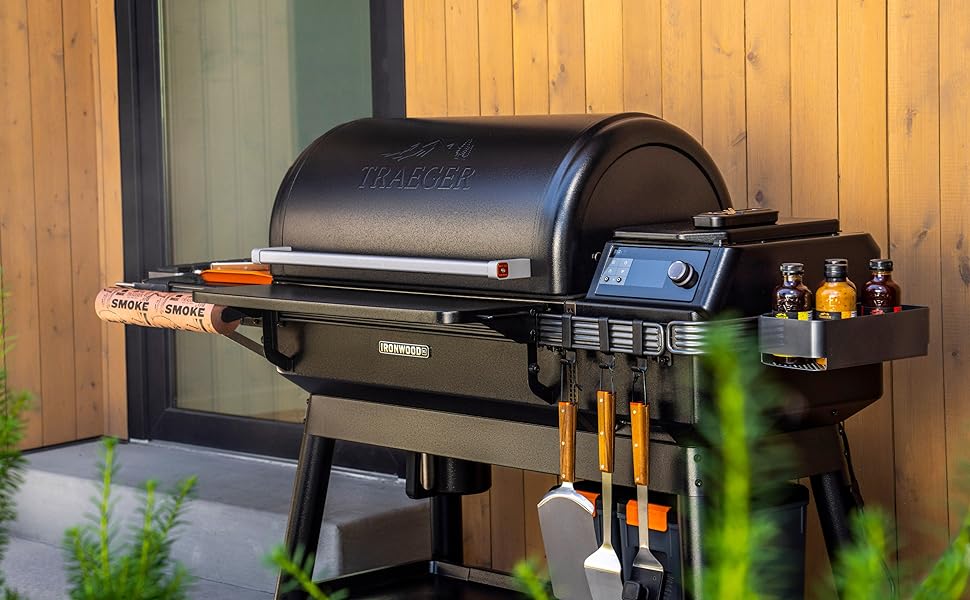
Traeger XL Series Review – The ultimate pellet grills?

Regular readers of my blog know of my love for Traeger – I’m a long time fan of these pellet grills and love my Ironwood-series model as the perfect balance of features vs value. As the outdoor cooking world continues to evolve Traeger has long been a name synonymous with innovation, reliability, and flavor. With the introduction of their XL series, Traeger aims to redefine the boundaries of what’s possible with pellet grills. In this comprehensive review, we delve deep into the features, performance, and overall cooking experience offered by each model within the Traeger XL series. My hope is that this article will help you decide if the XL series is right for you – whether it be your first Traeger grill or a new model to add to your grilling stable.

Design and Build Quality:

The Traeger XL series boasts a robust construction designed to withstand the rigors of outdoor cooking. Crafted from high-grade stainless steel, these grills exude durability and sturdiness. The XL’s spacious cooking chamber provides ample room for large cuts of meat, whole poultry, and multiple racks of ribs, making it an ideal choice for hosting gatherings and events. Its sleek and modern design adds aesthetic appeal to any outdoor setting, while the powder-coated finish ensures resistance against rust and corrosion, enhancing longevity.

Cooking Performance:

At the heart of the Traeger XL series lies its state-of-the-art pellet grilling technology, which promises precision temperature control and consistent heat distribution. Equipped with advanced PID controllers, these grills offer unparalleled accuracy, allowing users to maintain their desired cooking temperatures with minimal fluctuations.


Traeger XL Models:

Traeger Ironwood XL:

The Traeger Ironwood XL model offers a cooking capacity of 885 square inches, providing ample space for large-scale cooking projects. With a temperature range of 165°F to 500°F, this grill is versatile enough to handle a wide range of cooking techniques, from low-and-slow smoking to high-temperature searing. The inclusion of Traeger’s signature WiFIRE technology allows for remote control and monitoring via a smartphone app, offering unmatched convenience and flexibility.

My personal preference is the Ironwood XL – it’s got more than enough cooking surface for my family’s needs and strikes a good balance between cost and value in my opinion.

Traeger Timberline XL 1300:

For those who demand even greater cooking capacity and have a larger budget, the Traeger XL 1300 model delivers with a whopping 1300 square inches of cooking space. Whether you’re catering for a crowd or preparing multiple dishes simultaneously, this grill has you covered. With the same advanced temperature control and WiFIRE technology found in the XL 885, users can expect consistent results with minimal effort.

This model is harder to find online because they don’t make as many and it’s often sold out, so you’re best bet is probably Home Depot, Ace Hardware, and the like if you can’t find it on Amazon.


Innovative Features:

One of the standout features of the Traeger XL series is its WiFIRE technology, which enables remote control and monitoring of the grill via a smartphone app. This game-changing innovation empowers users to adjust temperature settings, set timers, and receive real-time alerts from anywhere, providing unmatched convenience and peace of mind. Additionally, the TurboTemp feature accelerates the grill’s preheating process, reducing wait times and getting you cooking faster. Furthermore, the XL models come equipped with dual meat probes, allowing for precise monitoring of internal temperatures without the need for constant supervision.

Ease of Use and Maintenance:

Traeger has always prioritized user-friendliness, and the XL series is no exception. With simple controls and intuitive interfaces, these grills are suitable for both novice and experienced outdoor cooks alike. The inclusion of a pellet hopper clean-out feature streamlines maintenance, making it effortless to switch between different types of wood pellets or perform routine cleaning tasks. Moreover, the porcelain-coated grill grates are non-stick and easy to clean, ensuring hassle-free maintenance and prolonged durability.

Cooking Versatility:

From low-and-slow smoking to high-temperature grilling, the Traeger XL series excels in versatility, offering endless possibilities for culinary experimentation. With precise temperature control and customizable settings, users can unleash their creativity and explore a myriad of cooking techniques and recipes. Whether you’re craving juicy smoked ribs, perfectly seared steaks, wood-fired pizzas, or even baked desserts, the XL grills can handle it all with finesse, elevating your outdoor cooking game to new heights.

New Pop-and-Lock Accessory Rail:

Customize your cookspace with an array of attachments, from tool hooks to storage bins, on grills equipped with P.A.L. Pop-And-Lock accessory rails.

It’s a super convenient way to get quick access to all your gear.

Available ModFire Cooking Grate Options:

ModiFIRE cooking surfaces sit securely on your grill grates to immediately expand your cooking horizons.

Change out your OEM grates for cast iron, searing, and more.

Customer Satisfaction and Reviews:

I’m a personal owner of a Traeger grill and have used the brand for years. Although I have a kamado, high end gas grill, pizza oven, and griddle too, the Traeger is easily the #1 grill I use most often – it’s just so darn good.

But don’t just take my word for it feedback from customers who have experienced the Traeger XL series has been overwhelmingly positive. Users praise the grills for their exceptional build quality, reliable performance, and ability to deliver mouthwatering results consistently. The convenience of WiFIRE technology has been particularly well-received, with many users citing it as a game-changer in their outdoor cooking experience. Additionally, Traeger’s commitment to customer support and satisfaction further enhances the overall ownership experience, instilling confidence in the brand’s products.

Is the Traeger XL in your future?

The Traeger XL series stands as a testament to Traeger’s dedication to innovation, quality, and culinary excellence. With its robust construction, advanced features, and unparalleled cooking performance, these grills redefine the standard for outdoor cooking equipment. Whether you opt for the Ironwood XL or the Timberline XL 1300, you can expect a versatile and enjoyable cooking experience that will elevate your outdoor gatherings and delight your taste buds. Invest in a Traeger XL grill today and embark on a journey of culinary discovery like never before.