All posts by ThatHelpfulDad

Ashwagandha Mental Health Benefits for teens and adults.

Are you familiar with Ashwagandha? If not, you might want to learn about it – especially if you or someone in your family is having challenges with maintaining a positive mental outlook. In this article we’ll explore the basics about Ashwagandha and learn about its mental health benefits – including a story from my family about how it helped our teenage son. Links to learn more are provided. I’ll also give you a list of some of the specific Ashwagandha supplements we’ve been using in our family if you want to check the out for yourself.

What is Ashwagandha?

Ashwagandha is a revered herb in traditional Indian medicine and has been used for centuries to promote overall health and longevity. Also known as Withania somnifera or Indian ginseng, Ashwagandha is a cornerstone of Ayurveda, the ancient system of medicine from India. In recent years, it has garnered significant attention in the scientific community, particularly for its potential benefits in combating depression and enhancing mental health. This article delves into the properties of Ashwagandha, its historical use, and its modern-day applications, focusing on its role in mental health and depression management.

Historical Context and Traditional Use

Ashwagandha’s roots can be traced back over 3,000 years, where it was used to rejuvenate and enhance vitality. In Sanskrit, “Ashwagandha” means “smell of the horse,” suggesting that the herb imparts the vigor and strength of a horse. It has been traditionally used to treat a myriad of conditions, from physical fatigue and weakness to psychological disorders such as anxiety and insomnia.

The herb is classified as an adaptogen, a natural substance that helps the body adapt to stress.

Adaptogens are known to stabilize physiological processes and promote homeostasis, making them effective in managing stress-related conditions.

Ashwagandha’s adaptogenic properties have made it a popular remedy in modern herbal medicine, particularly for its purported benefits on mental health.

Chemical Composition and Mechanisms of Action

Ashwagandha contains several bioactive compounds, including withanolides, alkaloids, choline, fatty acids, amino acids, and a variety of sugars. The withanolides, particularly withaferin A and withanolide D, are considered the primary active compounds responsible for its medicinal properties. These compounds exhibit a range of pharmacological activities, including anti-inflammatory, anti-tumor, anti-stress, antioxidant, immunomodulatory, and neuroprotective effects.

The herb’s impact on mental health is thought to stem from its ability to modulate the hypothalamic-pituitary-adrenal (HPA) axis and balance cortisol levels, which play a crucial role in the body’s response to stress. By regulating the HPA axis, Ashwagandha helps reduce the levels of cortisol, the primary stress hormone, thereby mitigating stress and its associated symptoms.

Ashwagandha and Depression

Depression is a complex mental health disorder characterized by persistent sadness, loss of interest in activities, and a range of emotional and physical problems. It can result from various factors, including genetic predisposition, biochemical imbalances, and environmental influences. Traditional treatments for depression often include psychotherapy and pharmacotherapy, but these are not always effective for all patients and can come with significant side effects.

Ashwagandha offers a promising complementary approach to traditional treatments. Several studies have explored its antidepressant effects, with findings suggesting that it can effectively alleviate symptoms of depression.

Scientific Evidence

  1. Reduction of Cortisol Levels: Chronic stress and elevated cortisol levels are strongly linked to depression. A study published in the “Journal of Clinical Psychiatry” found that Ashwagandha supplementation significantly reduced cortisol levels in chronically stressed adults. This reduction in cortisol was associated with a significant decrease in symptoms of depression and anxiety.
  2. Neurotransmitter Modulation: Ashwagandha has been shown to influence the levels of neurotransmitters in the brain, including serotonin and gamma-aminobutyric acid (GABA). Serotonin is often referred to as the “feel-good” neurotransmitter, and its imbalance is a well-known contributor to depression. GABA, on the other hand, has a calming effect on the nervous system. By modulating these neurotransmitters, Ashwagandha can help improve mood and reduce anxiety.
  3. Neuroprotective Effects: Oxidative stress and inflammation are known to play a role in the pathophysiology of depression. Ashwagandha’s antioxidant properties help protect the brain from oxidative damage, while its anti-inflammatory effects further contribute to its antidepressant benefits. A study in the “Journal of Ethnopharmacology” demonstrated that Ashwagandha reduced oxidative stress markers and inflammation in animal models, leading to improved mood and cognitive function.
  4. Enhancing Sleep Quality: Poor sleep quality is both a symptom and a contributing factor to depression. Ashwagandha has been traditionally used to promote restful sleep. Clinical trials have shown that it can improve sleep quality and reduce insomnia, which can have a significant positive impact on mood and overall mental health.

Ashwagandha and Anxiety

Anxiety often coexists with depression, and managing it is crucial for overall mental health. Ashwagandha’s anxiolytic (anxiety-reducing) properties further enhance its potential as a holistic treatment for mental health issues.

Scientific Evidence

  1. Stress and Anxiety Reduction: A double-blind, placebo-controlled study published in the “Indian Journal of Psychological Medicine” evaluated the effects of Ashwagandha on stress and anxiety. The study involved 64 subjects with a history of chronic stress. The group that received Ashwagandha reported a significant reduction in stress and anxiety levels compared to the placebo group. The reduction in stress was also associated with improved overall well-being and quality of life.
  2. Comparative Studies with Conventional Anxiolytics: Another study compared the efficacy of Ashwagandha with that of a common anxiolytic drug, lorazepam. The findings indicated that Ashwagandha was equally effective in reducing anxiety, with the added benefit of fewer side effects. This suggests that Ashwagandha could be a viable alternative for those who experience adverse effects from conventional medications.
  3. Adaptogenic Benefits: By acting as an adaptogen, Ashwagandha enhances the body’s resilience to stress, which is a significant factor in the development of anxiety. Regular use of Ashwagandha has been shown to improve the body’s stress response, thereby reducing the likelihood of anxiety disorders developing in response to chronic stress.

Ashwagandha Supplementation

Dosage and Side Effects

The therapeutic dosage of Ashwagandha can vary depending on the form of the supplement and the specific health condition being targeted.

It’s important to include a discussion with your medical provider BEFORE taking any supplements like this.

Common dosages range from 300 to 600 mg of standardized Ashwagandha extract taken once or twice daily seem to be the norm. It is essential to choose high-quality supplements from reputable manufacturers to ensure safety and efficacy.

Ashwagandha is generally considered safe for most people when taken in recommended doses. However, some individuals may experience mild side effects such as gastrointestinal upset, headaches, or drowsiness. You really need to consult a healthcare provider before starting any new supplement, especially for pregnant or breastfeeding women, individuals with autoimmune diseases, or those taking other medications.

Integrating Ashwagandha into Mental Health Regimens

Given its multifaceted benefits, Ashwagandha can be considered for integration into a broader mental health regimen to support emotional well-being and combat depression. Here are some strategies for incorporating Ashwagandha into daily life:

  1. Supplementation: Taking Ashwagandha supplements in the form of capsules, tablets, or tinctures is a convenient way to ensure consistent intake. It is important to follow the dosage recommendations provided by the manufacturer or healthcare provider.
  2. Herbal Teas: Ashwagandha root powder can be used to make herbal teas. Combining it with other calming herbs such as chamomile or lavender can enhance its relaxing effects and promote better sleep.
  3. Functional Foods: Adding Ashwagandha powder to smoothies, soups, or other foods is an easy way to incorporate it into the diet. This approach can be particularly beneficial for those who prefer not to take capsules or tablets.
  4. Ayurvedic Practices: Integrating Ashwagandha with other Ayurvedic practices such as yoga, meditation, and a balanced diet can amplify its benefits. Ayurveda emphasizes a holistic approach to health, and combining these practices can support overall mental and physical well-being.

How Ashwagandha Helped My Family

Our teenage son was always a happy kid growing up with lots of friends and never any behavioral problems. Unfortunately middle school was particularly challenging for him – and it didn’t help matters that middle school for him was impacted by Covid (and the associated lockdowns and facemask craziness), nor that he changed schools mid-year in 7th grade (to escape said facemask insanity). He battled depression and anxiety during his middle school years. We worked with various mental health professionals to try to help him.

We were lucky enough to have him complete a comprehensive neuropsychological and educational evaluation. As a result of those tests we learned a few things – first it was discovered that he has ‘superior intelligence’ (1 point shy of ‘genius’). We also gained a better understanding of his psychological profile and learned numerous strategies to help him better understand himself and his individual mental health triggers.

Knowing the terrible side effects and questionable efficacy of pharmaceutical medicines for depression and anxiety, we were averse to getting our son dependent on long-term drug therapy. Thankfully we had mental health professionals who were able to suggest alternative therapies to help him – including counseling, cbt therapy, physical exercise, and various herbal supplements – including ashwagandha.

Over time lots of things helped our son – including the counseling and cbt therapy, but among everything the two most ‘efficacious’ over the long run have been physical exercise and ashwagandha.

The good news is that our son is now in high school and doing fantastic in school, friendships, and life. We’re grateful for all those who helped him and we’re also grateful that we worked with mental health providers who didn’t push pharmaceuticals as the ‘only way’ and instead suggested ashwagandha. I realize our story is only a sample size of ‘1’ but if you do a bit of research you’ll see our success story is only one among MANY. I hope that by sharing, this info may help you too.

As a side note, I tried ashwagandha myself – both for its mental health and physical fitness benefits. And guess what? It helped me too! When i take ashwagandha I noticed a slight increase in positive mood/demeanor and a bit of energy boost for my workouts. I like using ashwagandha powder in my shakes and smoothies or mixing it with my pre-workout drink. It’s good stuff!


Links to learn more:

Here are five scholarly articles that support the benefits of Ashwagandha, particularly in relation to mental health and combating depression:

  1. “Ashwagandha (Withania somnifera)—Current Research on the Health-Promoting Activities: A Narrative Review” – MDPI
  2. “Ashwagandha in brain disorders: A review of recent developments” – ScienceDirect
  3. “Efficacy and Safety of Ashwagandha Root Extract on Cognitive Functions in Healthy, Stressed Adults: A Randomized, Double-Blind, Placebo-Controlled Study” – Hindawi
  4. “Benefits of Ashwagandha for Mental Health” – Holland & Barrett
  5. “Proven Health Benefits of Ashwagandha” – Healthline

Is Ashwagandha Right for You?

Ashwagandha’s potential in supporting mental health and combating depression is supported by both traditional use and modern scientific research. Its ability to reduce cortisol levels, modulate neurotransmitters, protect against oxidative stress, and improve sleep quality makes it a valuable ally in the fight against depression and anxiety. It may be something to consider if you or someone in your family is battling mental health challenges.

While Ashwagandha should not be seen as a standalone treatment for severe mental health disorders, it can be a powerful complementary therapy. Integrating Ashwagandha into a comprehensive mental health strategy that includes conventional treatments, lifestyle modifications, and other holistic practices can provide a balanced approach to managing depression and enhancing overall well-being.

As research continues to uncover the full extent of Ashwagandha’s benefits, this ancient herb remains a promising natural remedy for modern mental health challenges. With its rich history and growing body of scientific support, Ashwagandha stands out as a beacon of hope for those seeking natural ways to improve their mental health and quality of life.

Ashawganda supplements to consider:

Consult your healthcare professional before adding any of these to your regimen. If you have done that and you feel ashwaganda supplements are right for you, check out these products…

  1. FGO Organics Ashwagandha Powder – Feel Good Organics is one of my favorite brands for high quality herbal powders.
  2. Himalaya Organic Ashwagandha Caplets – this is the one my son uses. He takes 1 caplet a day before school days and it’s really helped. I really like the SMALL tablets this brand offers.
  3. Organic India Ashwagandha Powder – I put this in my shakes and smoothies
  4. Garden of Life Organics Ashwagandha – this is another good one for tablets that our son has used.
  5. Spice Train Ashwagandha Root Powder – here’s another one I find to be good. It mixes easily in my pre-workout shakes.

3 Fish Taco Recipes: Baja-style, Chipotle, and Blackened. Which is your fav?

Fish tacos – the quintessential taste of summer! My wife loves them. Fresh, flavorful, and endlessly customizable, these handheld delights are a crowd-pleaser for any occasion. Let me give you 3 of our favorite recipes along with a few tips to make sure they come out great!

Note: I’m actually gonna give you two FISH taco recipes and one SHRIMP taco recipe because it’s just too good to pass up.

1. Baja-Style Fish Tacos: A Classic with a Twist

This recipe captures the essence of the Baja California fish taco experience. Simple, yet bursting with flavor, it’s perfect for a laid-back gathering.

Ingredients:

  • For the Fish:
    • 1 pound cod fillets, cut into bite-sized pieces
    • 1/2 cup all-purpose flour
    • 1 teaspoon chili powder
    • 1/2 teaspoon smoked paprika
    • 1/4 teaspoon garlic powder
    • 1/4 teaspoon onion powder
    • Salt and freshly ground black pepper, to taste
    • Vegetable oil, for frying
  • For the Slaw:
    • 2 cups shredded green cabbage
    • 1/2 cup chopped red onion
    • 1/4 cup chopped fresh cilantro
    • 1/4 cup mayonnaise
    • 1 tablespoon lime juice
    • 1/2 teaspoon chili powder
    • Salt and freshly ground black pepper, to taste
  • For the Tacos:
    • 12 corn tortillas, warmed
    • Cilantro sprigs, for garnish
    • Lime wedges, for serving
    • Optional toppings: Crema, crumbled queso fresco cheese, avocado slices, pico de gallo

Instructions:

  1. Marinate the Fish: In a shallow bowl, combine the flour, chili powder, paprika, garlic powder, onion powder, salt, and pepper. Toss the fish pieces in the mixture to coat evenly.
  2. Prepare the Slaw: In a separate bowl, combine the cabbage, red onion, cilantro, mayonnaise, lime juice, chili powder, salt, and pepper. Mix well and set aside.
  3. Cook the Fish: Heat enough vegetable oil in a large skillet over medium-high heat. Carefully add the fish pieces and cook for 2-3 minutes per side, or until golden brown and cooked through. Drain on paper towels.
  4. Assemble the Tacos: Warm the tortillas according to package instructions. Top each tortilla with a generous helping of fish, slaw, and a sprinkle of cilantro. Add your desired toppings like crema, queso fresco, avocado, or pico de gallo. Serve with lime wedges for an extra burst of citrusy goodness.

Tips:

  • For a more flavorful fish, marinate it for at least 30 minutes before cooking.
  • You can substitute cod with other white fish varieties like tilapia, halibut, or mahi-mahi.
  • For a gluten-free option, use gluten-free flour for the fish batter.
  • Leftover slaw can be stored in an airtight container in the refrigerator for up to 3 days.

2. Spicy Chipotle Shrimp Tacos with Mango Salsa: A Fiesta in Every Bite

This recipe takes fish tacos to a whole new level with the smoky heat of chipotle peppers and the sweet freshness of mango salsa.

Ingredients:

  • For the Shrimp:
    • 1 pound large shrimp, peeled and deveined
    • 1 tablespoon olive oil
    • 1 tablespoon adobo sauce (from canned chipotle peppers in adobo sauce)
    • 1 teaspoon chili powder
    • 1/2 teaspoon smoked paprika
    • 1/4 teaspoon garlic powder
    • Salt and freshly ground black pepper, to taste
  • For the Mango Salsa:
    • 1 ripe mango, diced
    • 1/2 red onion, diced
    • 1/4 cup chopped fresh cilantro
    • 1 jalapeno pepper, seeded and finely chopped (adjust for desired spice level)
    • 1 tablespoon lime juice
    • Salt and freshly ground black pepper, to taste
  • For the Tacos:
    • 12 corn tortillas, warmed
    • Cilantro sprigs, for garnish
    • Lime wedges, for serving
    • Optional toppings: Crema, crumbled queso fresco cheese, crumbled cotija cheese, avocado slices

Instructions:

  1. Marinate the Shrimp: In a bowl, combine olive oil, adobo sauce, chili powder, paprika, garlic powder, salt, and pepper. Toss the shrimp in the marinade to coat evenly. Let marinate for at least 15 minutes, or up to 30 minutes for a stronger flavor.
  2. Prepare the Mango Salsa: In a separate bowl combine the diced mango, red onion, cilantro, jalapeno, lime juice, salt, and pepper. Mix well and set aside. 3. Cook the Shrimp: Heat a large skillet over medium-high heat. Add the shrimp and cook for 2-3 minutes per side, or until opaque and cooked through. Be careful not to overcook the shrimp, as they can become tough. 4. Assemble the Tacos: Warm the tortillas according to package instructions. Top each tortilla with a few shrimp, a generous spoonful of mango salsa, and a sprinkle of cilantro. Add your desired toppings like crema, queso fresco, cotija cheese, or avocado slices. Serve with lime wedges for an extra tangy touch.

Tips:

  • If you can’t find canned chipotle peppers in adobo sauce, you can substitute with 1/2 teaspoon of chipotle chili powder and a pinch of cayenne pepper for a similar smoky heat.
  • For a milder salsa, remove the seeds from the jalapeno before chopping.
  • This recipe works well with grilled shrimp as well. Simply preheat your grill to medium-high heat and grill the shrimp for 2-3 minutes per side, or until cooked through.
  • Leftover mango salsa can be stored in an airtight container in the refrigerator for up to 3 days.

3. Blackened Mahi-Mahi Tacos with Creamy Avocado Crema: A Luxurious Twist

This recipe elevates the fish taco experience with blackened mahi-mahi and a decadent creamy avocado crema.

Ingredients:

  • For the Mahi-Mahi:
    • 1 pound mahi-mahi fillets, cut into bite-sized pieces
    • 1 tablespoon olive oil
    • 1 tablespoon blackening seasoning
  • For the Creamy Avocado Crema:
    • 1 ripe avocado, peeled and pitted
    • 1/4 cup sour cream
    • 1/4 cup chopped fresh cilantro
    • 1 tablespoon lime juice
    • 1/4 teaspoon garlic powder
    • Salt and freshly ground black pepper, to taste
  • For the Tacos:
    • 12 corn tortillas, warmed
    • Shredded red cabbage, for garnish
    • Cilantro sprigs, for garnish
    • Lime wedges, for serving

Instructions:

  1. Prepare the Mahi-Mahi: Heat olive oil in a large skillet over medium-high heat. Season the mahi-mahi pieces generously with blackening seasoning. Carefully add the fish to the skillet and cook for 2-3 minutes per side, or until cooked through and blackened on the edges.
  2. Make the Creamy Avocado Crema: In a blender or food processor, combine the avocado, sour cream, cilantro, lime juice, garlic powder, salt, and pepper. Blend until smooth and creamy. Set aside.
  3. Assemble the Tacos: Warm the tortillas according to package instructions. Top each tortilla with a generous helping of blackened mahi-mahi, a dollop of creamy avocado crema, and a sprinkle of shredded red cabbage and cilantro. Serve with lime wedges for an extra burst of freshness.

Tips:

  • If you don’t have blackening seasoning, you can create your own by combining paprika, cayenne pepper, garlic powder, onion powder, and thyme.
  • For a spicier crema, add a pinch of jalapeno pepper to the avocado mixture while blending.
  • Mahi-mahi can be a bit delicate, so be gentle when flipping it in the pan to avoid breaking it.
  • You can substitute mahi-mahi with another firm white fish like swordfish or halibut.

These three recipes offer just a glimpse into the endless possibilities of the fish taco world. With a variety of flavors and textures to explore, you’re sure to find a combination that tantalizes your taste buds. So grab your tortillas, get creative with your toppings, and dive into the delicious world of fish tacos!


What to read next?

Google Bard vs ChatGPT – which one is best?

As artificial intelligence continues to evolve, Google Bard and OpenAI’s ChatGPT have emerged as leading AI-powered tools for a variety of tasks. Both are designed to generate human-like text, but they have different strengths and capabilities. Here, we’ll compare these two tools to help you understand which is best suited for specific tasks.

Overview of Google Bard and ChatGPT

Google Bard is a conversational AI service developed by Google, designed to assist with a range of tasks, from generating creative content to answering questions based on real-time data. Bard is integrated with Google’s vast ecosystem, providing up-to-date information by scouring the web in real-time.

ChatGPT by OpenAI, available in various versions including the advanced GPT-4, is known for its natural language processing capabilities. It can generate coherent and contextually relevant text based on extensive training data. ChatGPT is widely used for content creation, problem-solving, and interactive conversations.

Key Differences

Data and Training Models

  • ChatGPT: Utilizes the GPT architecture and is trained on a diverse dataset including Common Crawl, Wikipedia, books, and other textual data. The free version of ChatGPT (GPT-3.5) relies on data up to September 2021, while the paid GPT-4 version can browse the internet for up-to-date information.
  • Google Bard: Based on Google’s PaLM 2 and Gemini Pro architectures, Bard continuously updates its knowledge by accessing real-time web data. This allows it to provide the latest information and respond with more current context.

Features and Integrations

  • Google Bard:
    • Real-Time Web Access: Always up-to-date with the latest information from the internet.
    • Multimodal Input: Supports text, voice, and image inputs.
  • Response Modification: Users can request variations of responses (e.g., shorter, more casual).
    • Integration with Google Ecosystem: Exports responses to Google Docs or Gmail directly.
    • Draft Responses: Provides multiple drafts for each query, offering a variety of perspectives.
  • ChatGPT:
    • Generative Text Capabilities: Known for producing high-quality, human-like text ideal for creative writing and detailed explanations.
    • Customizability: Users can create custom versions (GPTs) to suit specific needs.
    • Plugin Support: Offers plugins for extended functionalities, including web browsing for GPT-4 users.
    • Voice and Image Input: Supports voice and image inputs in the latest versions, enhancing accessibility.

Performance Comparison

Text Generation

  • ChatGPT is often preferred for creative writing tasks such as drafting emails, writing essays, and generating articles. Its ability to produce coherent, stylistically appropriate text makes it a favorite for content creation.
  • Google Bard also performs well in text generation, but it shines in tasks requiring up-to-date information due to its real-time web access. For example, when tasked with writing an essay about a recent event, Bard can provide the latest details, whereas ChatGPT may rely on slightly outdated data unless using the GPT-4 version with browsing capabilities

Research and Information Retrieval

  • Google Bard excels in research and information retrieval tasks. Its ability to search the web in real-time ensures that users receive the most current information. This makes Bard particularly useful for tasks like finding the latest news, current statistics, or up-to-date product reviews.
  • ChatGPT is effective for general research based on its vast training dataset. However, its reliance on pre-September 2021 data for the free version limits its ability to provide current information. GPT-4’s browsing capability mitigates this, but it’s only available in the paid version.

User Experience and Accessibility

  • Google Bard offers an intuitive user experience, especially for those already integrated into the Google ecosystem. Its features like multiple draft responses, direct integration with Google services, and the ability to modify prompts enhance its usability.
  • ChatGPT provides a straightforward and user-friendly interface. Its ability to generate high-quality text across various domains makes it accessible to a broad audience. The addition of voice and image inputs further enhances its accessibility, catering to users who prefer different interaction modes.

Pros and Cons

Google Bard

Pros:

  • Real-time web access for up-to-date information.
  • Supports multiple input modes (text, voice, images).
  • Direct integration with Google services.
  • Offers multiple drafts and response modification options.

Cons:

  • Computationally intensive, requiring significant resources.
  • Still experimental, with occasional inaccuracies.

ChatGPT

Pros:

  • Excellent generative text capabilities.
  • Customizable with plugins and custom GPTs.
  • Supports multiple languages and programming languages.
  • Simple and user-friendly interface.

Cons:

  • Free version relies on outdated data (up to September 2021).
  • Paid version required for the most advanced features, including real-time web browsing.
  • Potential biases in responses due to training data limitations.

Choosing the Right Tool

For Content Creation – ChatGPT

  • ChatGPT is generally the better choice due to its advanced text generation capabilities. It’s ideal for writing essays, articles, creative content, and detailed explanations.

For Real-Time Information and Research – BARD

  • Google Bard is more suitable for tasks requiring the latest information. Its ability to access and synthesize real-time web data makes it perfect for current event summaries, up-to-date research, and answering questions about recent developments.

For Integration with Google Services – BARD

  • Google Bard provides seamless integration with Google’s suite of tools, making it the best option for users who rely heavily on Google Docs, Gmail, and other Google applications.

For Customizable AI Solutions – ChatGPT

  • ChatGPT offers more flexibility with custom versions and plugin support, allowing users to tailor the AI to their specific needs.

In conclusion, the choice between Google Bard and ChatGPT depends largely on the specific tasks and user preferences. Both tools have their unique strengths and can significantly enhance productivity and creativity when used appropriately. Experimenting with both can help users determine which AI best suits their individual or organizational needs.


What to read next?

The 5 Best Sous Vide Machines

Sous vide cooking is a game changer for home chefs – offering precision and consistency in every dish. In this article we’ll talk about what sous vide cooking is and also give you 5 great sous vide machines to consider – each boasting unique features and functionalities.

What is Sous Vide?

Sous vide, a French term meaning “under vacuum,” is a cooking method that involves sealing food in a vacuum-sealed bag and then cooking it to a precise temperature in a water bath. This technique has gained popularity among professional chefs and home cooks alike due to its ability to produce consistent, high-quality results with minimal effort.

Origins and Development

The origins of sous vide can be traced back to the 1970s when French chefs, including Georges Pralus and Bruno Goussault, began experimenting with the method to improve the texture and flavor of their dishes. Pralus discovered that cooking foie gras sous vide retained its fat and resulted in a better texture compared to traditional cooking methods. Goussault, on the other hand, focused on the science behind the technique, contributing to its widespread adoption in high-end restaurants.

The Process

The sous vide process involves three main steps: preparation, cooking, and finishing.

  1. Preparation: The food is seasoned and then placed in a vacuum-sealed bag. The vacuum sealing process removes air from the bag, preventing oxidation and allowing for better heat transfer during cooking. Vacuum sealers or water displacement methods can be used to achieve this.
  2. Cooking: The vacuum-sealed bag is submerged in a water bath set to a precise temperature, usually controlled by an immersion circulator. Unlike traditional cooking methods that use high temperatures and varying heat levels, sous vide cooks food at a consistent, lower temperature for a longer period. This gentle and even cooking method ensures that the food is cooked to the exact level of doneness throughout.
  3. Finishing: After the food is cooked sous vide, it is typically finished by searing, grilling, or broiling to develop a flavorful crust and an appealing appearance. This step is crucial for enhancing texture and adding the desired caramelization or Maillard reaction to the dish.

What are the benefits of using Sous Vide?

Sous vide cooking offers several benefits:

  • Precision: The ability to control the cooking temperature with exact precision ensures that food is cooked to the perfect doneness every time. This eliminates the risk of overcooking or undercooking.
  • Consistency: Because the temperature remains constant, sous vide provides consistent results, making it easier to replicate dishes with the same quality and taste.
  • Enhanced Flavor and Nutrition: Vacuum sealing food preserves its natural flavors and nutrients. The extended cooking time allows the flavors to meld and intensify, resulting in a more flavorful dish.
  • Tenderness: Cooking tough cuts of meat sous vide breaks down the collagen and connective tissues without drying out the meat, yielding tender and juicy results.

Sous Vide Applications

Sous vide is versatile and can be used for a wide range of foods, including meats, seafood, vegetables, and even eggs. For meats, sous vide ensures even cooking from edge to edge, making it ideal for steaks, chicken breasts, and pork chops. For vegetables, it preserves their natural color, texture, and nutrients. Eggs cooked sous vide achieve a perfect consistency, from soft-boiled to poached.


5 Best Sous Vide Machines

Anova Precision Cooker Pro:

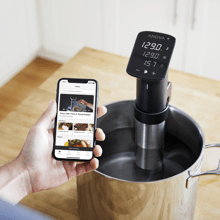
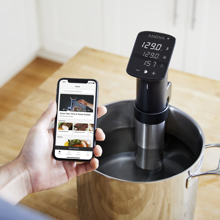
Anova Precision Cooker Pro is a game-changer in the world of sous vide cooking. With its robust construction and powerful performance, it’s a favorite among professional chefs and home cooks alike. Its 1200 watts of power ensure rapid heating and precise temperature control, allowing you to achieve restaurant-quality results every time. The intuitive interface and Wi-Fi connectivity enable seamless control via the Anova app, making cooking a hassle-free experience. Its durable stainless steel body and detachable clamp make it easy to use and maintain.


Breville Joule Sous Vide:

Breville Joule Sous Vide combines elegance with efficiency, making it a must-have for discerning chefs. Its 1100 watts of power and compact design make it ideal for both professional kitchens and home use. The Joule app offers a wide range of recipes and cooking tips, making it easy to master sous vide cooking techniques. With precise temperature control and rapid heating capabilities, it delivers consistent results with minimal effort. The sleek stainless steel construction and magnetic base enhance its durability and usability, making it a valuable addition to any kitchen.

Did you know Breville also makes a ‘professional’ model with their Breville Polyscience HydroPro Plus Sous Vide Immersion Circulator, 1450 Watt unit.


SousVide Supreme Touch

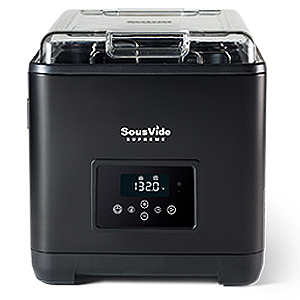
SousVide Supreme Touch is known for its simplicity. The Touch 9 Liter’s unit is self-contained and said to be more energy-efficient than immersion circulator models. Once at temperature, the water oven uses about the energy of a 25W light bulb. This sous vide water oven has double-wall insulation and a see-through lid that contains steam to prevent evaporation, help retain heat and lower its energy consumption. The lid also doubles as a tray for transporting pouches and the cool-touch housing also protects the countertop from scorching and prevents accidental burns.


KitchenBoss Sous Vide Cooker:

KitchenBoss Sous Vide Cooker is a budget-friendly option that doesn’t compromise on performance. With 1100 watts of power and intuitive controls, it delivers restaurant-quality results without breaking the bank. The compact design and easy-to-read display make it suitable for both professional kitchens and home use. Its precise temperature control and timer functions ensure precise cooking, while the durable construction ensures long-lasting performance. Whether you’re a seasoned chef or a novice cook, KitchenBoss Sous Vide Cooker is sure to elevate your culinary creations.


Instant Pot Accu Slim Sous Vide

Instant Pot is a name you trust and it makes sense to consider their Sous Vide Machine – especially when it gets high marks from home chefs. The Instant Pot Accu Sous Vide machine adapts to any recipe, with cooking times from 1 minute to 72 hours and temperatures from 68°F to 203°F (20°C to 95°C). It also auto stops when you remove it from water which is nice and the entire unit is waterproof.


Is THIS the Best Sous Vide Machine?

Don’t just take my word for it. Thousands of home chefs have made Anova the #1 name in Sous vide machines and the Anova Precision Cooker Pro stands out as the ultimate sous vide machine in their lineup. Its combination of power, precision, and usability make it a cut above the rest. The 1200 watts of power ensure rapid heating and precise temperature control, allowing for flawless culinary creations. The intuitive interface and Wi-Fi connectivity make it easy to use, while the durable stainless steel construction ensures longevity. Whether you’re a professional chef or a home cook, the Anova Precision Cooker Pro is sure to elevate your sous vide cooking experience to new heights.


Resources for Further Reading

To learn more about sous vide cooking, check out these detailed guides and articles:

  1. The Spruce Eats’ Beginner’s Guide to Sous Vide Cooking​ (The Spruce Eats)​
  2. Anova Culinary’s Everything You Need to Know about Sous Vide​ (Anova Culinary)​
  3. Taste of Home’s Guide on What is Sous Vide Cooking​ (Taste of Home)​
  4. MasterClass’s Overview on Sous Vide Cooking​ (The Spruce Eats)​
  5. WebMD’s Explanation of Sous Vide​ (The Spruce Eats)​.

These resources provide comprehensive insights into the sous vide method, equipment recommendations, and additional tips to help you get started with this innovative cooking technique.


What to read next?

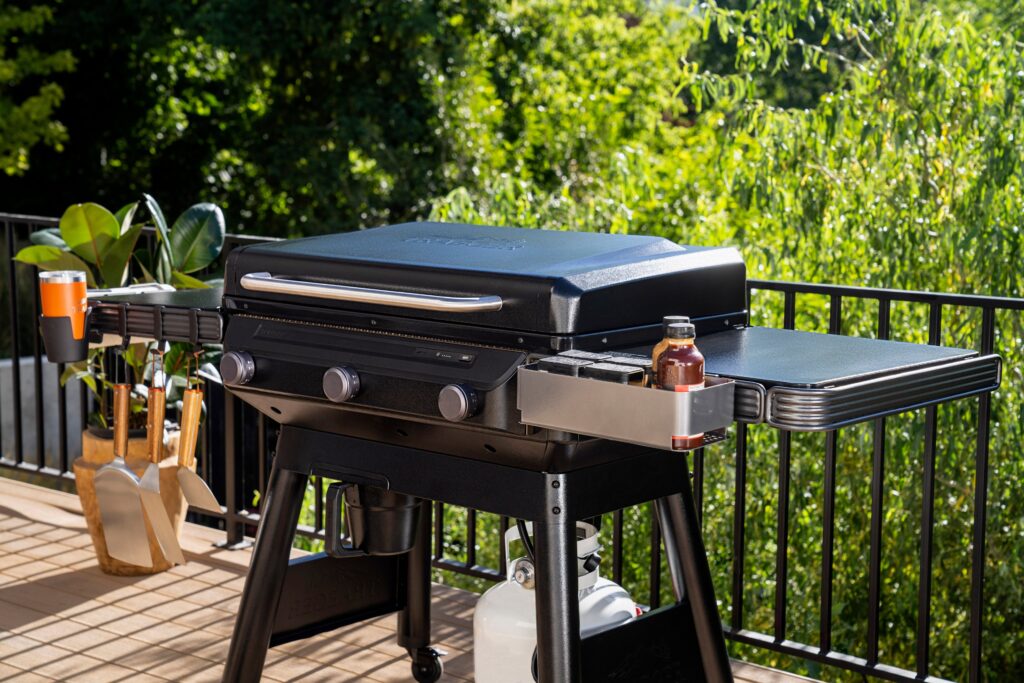
Traeger Flatrock Grill vs Blackstone Griddle

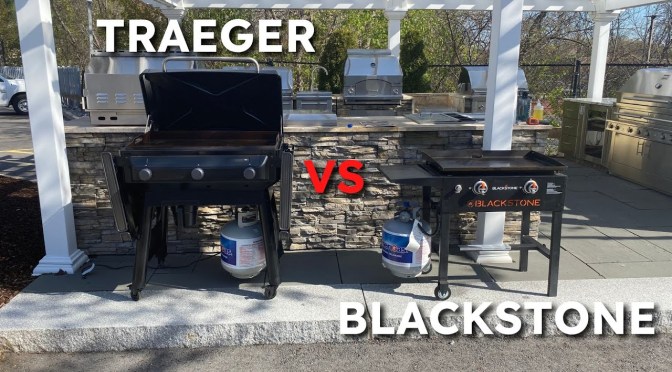
When it comes to outdoor cooking, griddles have gained immense popularity for their versatility and efficiency. If you read my blog you know I love my griddle cooking. Blackstone is the current leader in the griddle world, but Traeger has a new entry with their Flatrock Grill. Let’s compare the Traeger Flatrock Grill and the most popular Blackstone 36-Inch Griddle and see what we find out…

Overview of Traeger Flatrock Grill and Blackstone 36-Inch Griddle

Traeger Flatrock Grill

The Traeger Flatrock Grill offers a robust build, precise temperature control, and versatile cooking capabilities. You can read my full review here: What is the Traeger Flatrock?

Blackstone 36-Inch Griddle

Blackstone is a well-established name in the griddle market, renowned for its reliable and versatile products. The Blackstone 36-Inch Griddle is a flagship model that offers a large cooking surface (769 sq inches!), powerful burners, and user-friendly features, making it a favorite among grilling enthusiasts.

Key Features Comparison

Let’s evaluate the Traeger Flatrock Grill and the Blackstone 36-Inch Griddle based on several key features: cooking surface, burners and heat distribution, versatility, temperature control, ease of use, build quality, and value for money.

1. Cooking Surface

Traeger Flatrock Grill:

  • The Traeger Flatrock Grill features a cooking surface of approximately 600 square inches.
  • The surface is made of cold-rolled steel, which is known for its excellent heat retention and even heat distribution.

Blackstone 36-Inch Griddle:

  • The Blackstone 36-Inch Griddle offers a larger cooking surface, around 770 square inches!
  • The surface is constructed from cold-rolled steel, similar to the Traeger, ensuring good heat retention and distribution.

Comparison:
The Blackstone 36-Inch Griddle provides a larger cooking area, making it more suitable for cooking for large groups or preparing multiple dishes at once. Both griddles use cold-rolled steel, which ensures consistent heat across the surface. WINNER BLACKSTONE

2. Burners and Heat Distribution

Traeger Flatrock Grill:

  • The Flatrock Grill comes with a three-burner system.
  • Each burner can be controlled independently, allowing for different cooking zones and precise heat management.

Blackstone 36-Inch Griddle:

  • The Blackstone Griddle is equipped with a four-burner system.
  • Independent control for each burner allows for versatile cooking zones and efficient heat distribution.

Comparison:
The Blackstone griddle has an additional burner compared to the Traeger, providing more control over heat zones and potentially better heat distribution across the larger cooking surface. However, both models offer excellent heat control capabilities. WINNER – BLACKSTONE

3. Versatility

Traeger Flatrock Grill:

  • The Traeger Flatrock Grill excels in versatility, capable of cooking a wide variety of foods from breakfast items to dinner entrees.
  • The flat top surface allows for searing, sautéing, and frying.

Blackstone 36-Inch Griddle:

  • The Blackstone 36-Inch Griddle is also highly versatile, accommodating a wide range of cooking styles.
  • It can handle everything from pancakes and eggs to steaks and stir-fries.

Comparison:
Both griddles offer similar versatility, allowing users to cook a wide range of foods. The choice between the two might come down to personal preference or specific cooking needs, but in terms of versatility, both models perform exceptionally well. WINNER – TIE

4. Temperature Control

Traeger Flatrock Grill:

  • Features precise temperature control knobs for each burner.
  • A built-in thermometer helps monitor the cooking surface temperature.

Blackstone 36-Inch Griddle:

  • Equipped with individual control knobs for each burner.
  • Lacks a built-in thermometer, but the controls are intuitive and responsive.

Comparison:
The Traeger Flatrock Grill has an edge with its built-in thermometer, providing an additional layer of temperature monitoring. However, both griddles offer precise and responsive temperature control through their burner knobs. WINNER – TRAEGER

5. Ease of Use

Traeger Flatrock Grill:

  • Features a push-button ignition system for quick startup.
  • Includes side shelves and hooks for utensils, enhancing convenience.

Blackstone 36-Inch Griddle:

  • Also features a push-button ignition system for easy lighting.
  • Comes with a side shelf and a bottom shelf for storage, as well as hooks for utensils.

Comparison:
Both griddles are designed with user convenience in mind. They feature push-button ignition systems and include additional storage and organization options, making them both easy to use. WINNER – TIE

6. Build Quality

Traeger Flatrock Grill:

  • Constructed with high-quality materials, including a powder-coated finish to resist rust and corrosion.
  • The build quality reflects Traeger’s reputation for durable and reliable products.

Blackstone 36-Inch Griddle:

  • Built with robust materials designed to withstand outdoor conditions.
  • Features a powder-coated steel frame and a thick cold-rolled steel griddle top.

Comparison:
Both griddles are constructed from high-quality materials and are built to last. Traeger and Blackstone both have strong reputations for producing durable outdoor cooking equipment, so build quality is excellent in both models. WINNER – TIE

7. Value for Money

Traeger Flatrock Grill:

  • Priced at a premium, reflecting its high-quality construction and advanced features.
  • Offers excellent value for those seeking a versatile and reliable griddle.

Blackstone 36-Inch Griddle:

  • Generally more affordable than the Traeger Flatrock Grill.
  • Provides a large cooking surface and versatile features at a competitive price point.

Comparison:
The Blackstone 36-Inch Griddle offers better value for money, especially for those on a budget or needing a larger cooking surface without a high investment. The Traeger Flatrock Grill, while more expensive, justifies its price with its additional features and build quality. WINNER – BLACKSTONE

Features Winner: BLACKSTONE


User Feedback and Reviews

Don’t just take my word for it, let’s see what other people have to say…

Traeger Flatrock Grill

Users of the Traeger Flatrock Grill often praise its versatility and build quality. The precise temperature control and even heat distribution are highlighted as significant advantages. However, some users note the premium price as a potential drawback.

Common Praises:

  • Excellent heat retention and distribution.
  • Versatile cooking capabilities.
  • High-quality construction.

Common Criticisms:

  • Higher price point.
  • Slightly smaller cooking surface compared to some competitors.

Blackstone 36-Inch Griddle

The Blackstone 36-Inch Griddle receives positive feedback for its large cooking surface, powerful burners, and affordability. Users appreciate the griddle’s ability to cook large quantities of food efficiently and its overall ease of use.

Common Praises:

  • Large cooking surface.
  • Affordable price.
  • Powerful and efficient burners.

Common Criticisms:

  • Lack of built-in thermometer.
  • Occasional maintenance required to prevent rust.

Video Comparison

I also found this video review of both griddles to be a helpful discussion. It’s from a 3rd party I have no affiliation with but the information shared is good…


Final Verdict: Which One to Choose?

Choosing between the Traeger Flatrock Grill and the Blackstone 36-Inch Griddle ultimately depends on your specific needs and preferences. Here’s a summary to help you decide:

Choose the Traeger Flatrock Grill if:

  • You prioritize high build quality and advanced features like a built-in thermometer and the Traeger name.
  • You are willing to invest in a premium product.
  • You prefer a smaller, somewhat more manageable cooking surface.

Choose the Blackstone 36-Inch Griddle if:

  • You need a larger cooking surface for cooking for large groups.
  • You are looking for a more affordable option.
  • You value powerful burners and efficient heat distribution.
  • You want the market leader

Both the Traeger Flatrock Grill and the Blackstone 36-Inch Griddle offer exceptional performance and versatility. The decision between the two will depend on your budget, cooking needs, and preference for specific features. Either way, both griddles are excellent choices for enhancing your outdoor cooking experience.


What to read next?

How to Recover Deleted Files

You accidentally deleted something and want to recover it. Let’s look at the various things you can do to try to recover your files across various devices.

Accidentally deleting files happens to the best of us. Whether it’s an important document for work, cherished photos, or crucial data, the sinking feeling that accompanies realizing you’ve deleted something valuable is universal. However, the good news is that in many cases, deleted files aren’t lost forever. With the right tools and methods, you can often recover them successfully.

Understanding How Deletion Works:

Before delving into recovery methods, it’s essential to understand how file deletion works. When you delete a file from your computer, phone, or any other device, it’s not immediately erased from existence. Instead, the operating system simply marks the space occupied by the deleted file as available for new data.

Until that space is overwritten by new information, there’s a good chance the deleted file remains intact.

Precautions Before Recovery:

Before attempting to recover deleted files, it’s crucial to take some precautions to maximize your chances of success:

  1. Stop Using the Device: If you’ve accidentally deleted a file, refrain from using the device as much as possible. Continued use increases the likelihood of overwriting the deleted data.
  2. Check Recycle Bin/Trash: On Windows and macOS, deleted files often end up in the Recycle Bin or Trash, respectively. Before resorting to other methods, check these locations first.
  3. Backup: Regularly backing up your important files is the best defense against data loss. If you have a backup, recovering deleted files becomes significantly easier.

Options for Recovering Deleted Files:

Restore from Backup:

  • If you’ve backed up your files using a cloud service, external hard drive, or software solution, restoring from backup is often the simplest and most effective method. Most backup solutions allow you to selectively restore specific files or folders.

Using File Recovery Software:

  • When files are deleted from your device, they’re not immediately wiped from the storage. File recovery software can scan the storage for remnants of deleted files and attempt to recover them.
  • Popular file recovery software includes Recuva, EaseUS Data Recovery Wizard, and Stellar Data Recovery. These programs offer user-friendly interfaces and various scanning options to suit different needs.

Utilizing System Restore Points – Windows

  • Windows users can take advantage of System Restore Points to revert their system to a previous state, including recovering deleted files. However, this method only works if you’ve enabled System Restore and created restore points before the file deletion occurred.

Check Temporary Files:

  • Sometimes, when you edit a file, temporary copies are created. These copies might still be available even if the original file is deleted. Check temporary folders or use specialized software to recover temporary files.

Seek Professional Help:

  • If all else fails or if the data is particularly crucial, consider seeking assistance from professional data recovery services. These services have specialized equipment and expertise to recover data from physically damaged devices or in cases where software solutions prove inadequate.

Tips for Successful Recovery:

  • Act Quickly: The sooner you attempt to recover deleted files, the higher the chances of success, as the likelihood of overwriting deleted data decreases.
  • Avoid Writing New Data: Until you’ve completed the recovery process, avoid saving or downloading new files to the device to prevent overwriting deleted data.
  • Use Reliable Software: When using file recovery software, opt for reputable and trusted programs to minimize the risk of further data loss or damage.
  • Regularly Back Up Your Files: Prevention is always better than cure. Make it a habit to regularly back up your important files to prevent data loss in the first place.

All is not lost

Accidentally deleting files can be a stressful experience, but it’s not necessarily the end of the road for your data. With the right knowledge and tools, you can often recover deleted files successfully. Remember to act quickly, use reliable methods, and take precautions to avoid further data loss. And above all, make regular backups of your important files to minimize the impact of accidental deletions in the future.

What to read next?

Traeger Flatrock Griddle Review

The Traeger Flatrock Grill is an innovative addition to the world of outdoor cooking, bringing a new dimension to the classic grilling experience. Known for their pioneering work with pellet grills, Traeger has ventured into the realm of flat top griddles with the Flatrock, aiming to offer a versatile and high-performing appliance that caters to a wide range of culinary styles and preferences AND tries to compete with the current griddle king BLACKSTONE.

Does the Flatrock stand up to the hype? Let’s find out.

Features of the Traeger Flatrock Grill

The Traeger Flatrock Grill stands out due to its robust build, advanced temperature control, and versatile cooking surface. Here’s a detailed look at the key features:

1. Cooking Surface and Build Quality

The Flatrock Grill boasts a substantial cooking surface, typically around 600 square inches, made from cold-rolled steel. This material is known for its excellent heat retention and even distribution, ensuring that the entire surface remains consistently hot. The grill’s structure seems to be sturdy and designed to withstand outdoor elements, with a powder-coated finish that resists rust and corrosion.

2. Three-Burner System

Equipped with a three-burner system, the Flatrock Grill provides independent temperature control across different sections of the grill. This feature allows users to cook multiple items simultaneously at different temperatures, a significant advantage when preparing a variety of dishes that require precise heat management.

3. Versatility

One of the main things I love about griddle cooking is versatility.

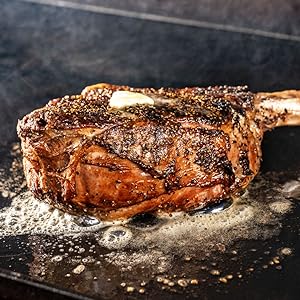
And this is true of the Flatrock Grill too. Unlike traditional grills that are limited to direct and indirect grilling, the flat top surface opens up a plethora of cooking possibilities. Users can easily sear steaks, sauté vegetables, cook breakfast foods like pancakes and eggs, or prepare stir-fry meals. The flat surface is also ideal for foods that might fall through traditional grates, such as small seafood or finely chopped vegetables.

4. Temperature Control

The Flatrock Grill features precise temperature control knobs, enabling users to fine-tune the heat output for each burner. This precision is crucial for cooking delicate items that require lower temperatures or for achieving a perfect sear on high heat.

Additionally, the grill includes a built-in thermometer to monitor the cooking surface temperature accurately – that’s really convenient!

5. Ease of Use and Maintenance

Ease of use is a hallmark of the Traeger brand, and the Flatrock Grill is no exception. My Traegers have never let me down and they are easy to maintain.

I find the flat top surface easier to clean than traditional grill grates, and the inclusion of a grease management system ensures that cooking residue is efficiently collected and disposed of. The grill also features a push-button ignition system, making startup quick and straightforward.


Review of the Traeger Flatrock Grill

Now let’s evaluate the Traeger Flatrock Grill based on several criteria: performance, versatility, ease of use, build quality, and value for money.

Performance

The performance of the Traeger Flatrock Grill is exceptional. I expect this is due to its advanced burner system. The cold-rolled steel surface heats evenly and maintains consistent temperatures, which is crucial for achieving optimal cooking results. The three-burner system allows for precise heat control, making it easy to cook a wide range of foods simultaneously. Users have reported that the grill reaches desired temperatures quickly and retains heat efficiently, minimizing fuel consumption.

Versatility

Like I said before – versatility is where the Flatrock Grill truly shines. The flat top surface is perfect for a variety of cooking techniques that traditional grills struggle with. From breakfast foods like pancakes and bacon to complex dishes like stir-fried noodles or fajitas, the Flatrock Grill handles it all with ease. The ability to cook different foods at different temperatures simultaneously adds a layer of convenience.

Ease of Use

The Flatrock Grill is designed with convenience in mind. The push-button ignition system ensures a hassle-free start, and the temperature control knobs are intuitive and responsive. Cleaning the grill is straightforward due to the flat top surface and the effective grease management system. Additionally, the grill’s design includes side shelves and hooks for utensils, enhancing the overall experience by keeping everything within easy reach.

Build Quality

Traeger’s reputation for quality is evident in the Flatrock Grill. The materials used, including the cold-rolled steel cooking surface and the powder-coated exterior, are durable and built to withstand the rigors of outdoor cooking. The overall construction feels solid and reliable, with attention to detail that ensures longevity and consistent performance.

Value for Money

While the Traeger Flatrock Grill is priced higher than some of its competitors, I’d like to believe the extra cost is justified by its (hopefully) long term superior performance, versatility, and build quality. If you’re looking for versatile griddle grill, you’ll find that the Flatrock offers excellent value for money.


Traeger Flatrock Video Overview

User Feedback

Don’t just take my word for it on the Flatrock. Look at the many user reviews out there and I’ll think you’ll find that the reviews for the Traeger Flatrock Grill is overwhelmingly positive. Many praise the grill for its versatility and ease of use like I told you about. Others say the even heat distribution and precise temperature control are standout features.

On the other hand, some users have pointed out minor drawbacks, such as the grill’s weight and size, making it less portable than smaller grills and if you need a portable griddle, this is probably not your best choice.

Is the Flatrock your next griddle?

The Traeger Flatrock Grill is a standout product in the realm of outdoor cooking, offering a versatile, high-performing, and durable solution for a wide range of griddle endeavors. Its combination of precise temperature control, even heat distribution, and a spacious cooking surface makes it a valuable addition to any outdoor kitchen. While it comes at a higher price point than most Blackstone models, the investment is well worth it for those who know the reliability of a Traeger and for a unit that is large enough to handle everything from breakfast to dinner with ease.

Overall, I think the Traeger Flatrock Grill lives up to the Traeger reputation for innovation and quality, providing users with a premium grilling experience that is both enjoyable and efficient. Whether you are a seasoned grill master or a novice cook, the Flatrock Grill is designed to enhance your outdoor cooking adventures, making it a worthwhile addition to your culinary arsenal.


What to read next?

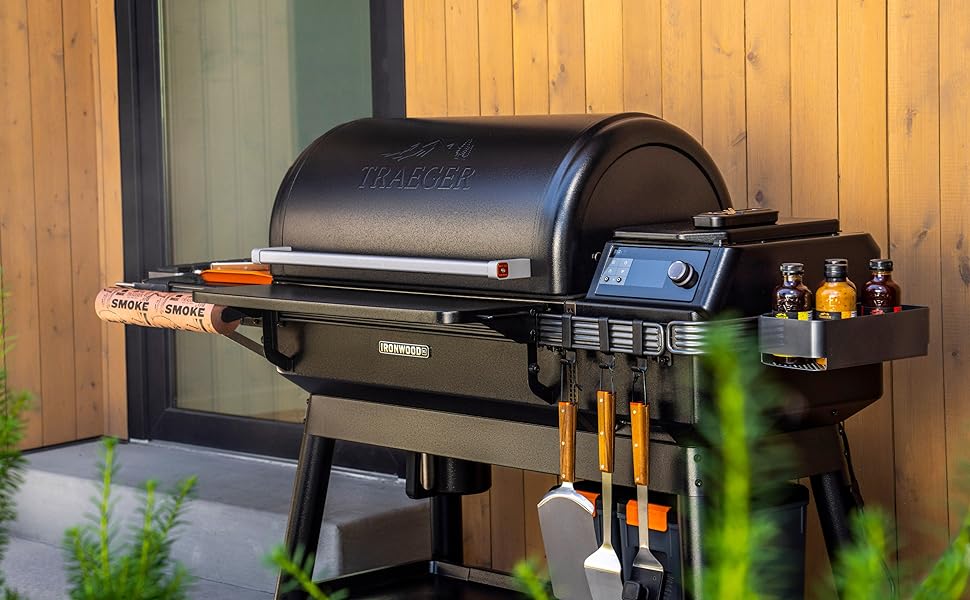
Battle of the Ironwoods – Traeger Ironwood XL vs Ironwood 885: Who Wins?

Let’s compare the new Traeger Ironwood Xl vs their Ironwood 885 pellet grill and see who’s the champ? When it comes to outdoor cooking, particularly smoking and grilling, Traeger has established itself as a premium brand, known for its innovative pellet grills and readers of my blog know how much I love my Traeger Ironwood – it’s my #1 go to grill. Among its extensive lineup, the Ironwood series from Traeger stands out for its blend of advanced features and user-friendly design. Two of the most popular models in this series are the Traeger Ironwood XL and the Traeger Ironwood 885. In this article, we provide detailed comparison of these two models, examining their pros and cons, and ultimately determine which one comes out on top.


Overview of the new Traeger Ironwood XL

The Traeger Ironwood XL is one of the newer additions to the Ironwood series, designed to cater to serious grilling enthusiasts and larger gatherings. It boasts a larger cooking area, advanced technology, and enhanced features that promise to elevate the grilling experience.

Key Features of the Traeger Ironwood XL:

  1. Cooking Capacity: The Ironwood XL offers an impressive 924 square inches of cooking space, making it suitable for large parties or big families.
  2. WiFIRE Technology: Like other premium Traeger models, the Ironwood XL comes equipped with WiFIRE technology, allowing users to control the grill remotely via a smartphone app.
  3. D2 Direct Drive: This feature ensures precise temperature control and efficient pellet consumption.
  4. Super Smoke Mode: This mode increases smoke output at lower temperatures, enhancing the smoky flavor of the food.
  5. Double Side-Wall Insulation: This feature helps maintain consistent temperatures, even in colder weather, ensuring efficient cooking year-round.
  6. Pellet Sensor: Alerts users when the pellet level is low, ensuring uninterrupted cooking sessions.
  7. Built-In Meat Probes: Allows for precise monitoring of internal food temperatures without opening the grill.

Overview of the Traeger Ironwood 885

The Traeger Ironwood 885 has been a favorite among pellet grill enthusiasts for its balanced size, advanced features, and reliable performance. It offers a slightly smaller cooking area compared to the Ironwood XL but still packs a punch with its capabilities.

Key Features of the Traeger Ironwood 885:

  1. Cooking Capacity: With 885 square inches of cooking space, it provides ample room for most grilling needs, from family dinners to small gatherings.
  2. WiFIRE Technology: Also equipped with WiFIRE, it allows for remote control and monitoring via a smartphone app.
  3. D2 Direct Drive: Ensures consistent and efficient temperature control and pellet usage.
  4. Super Smoke Mode: Similar to the Ironwood XL, it enhances the smoke flavor at lower temperatures.
  5. Double Side-Wall Insulation: Keeps the cooking temperature stable, even in challenging weather conditions.
  6. Pellet Sensor: Monitors pellet levels to prevent unexpected run-outs.
  7. Built-In Meat Probes: Provides accurate internal temperature readings for perfect results.

Pros and Cons of the Traeger Ironwood XL

Pros:

  1. Large Cooking Space: The 924 square inches of cooking area is ideal for large gatherings, allowing users to cook multiple dishes simultaneously.
  2. Advanced Technology: Features like WiFIRE, D2 Direct Drive, and Super Smoke Mode make it a technologically advanced grill, enhancing the overall cooking experience.
  3. Durability and Insulation: The double side-wall insulation ensures consistent temperatures, improving cooking efficiency and fuel economy.
  4. User-Friendly Features: The pellet sensor and built-in meat probes add convenience and precision to the cooking process.

Cons:

  1. Size and Portability: The larger size can be a disadvantage for those with limited outdoor space or who need a portable grill.
  2. Price: The advanced features and larger size come at a higher price point, which may not be justifiable for casual users.
  3. Pellet Consumption: The larger cooking area can lead to higher pellet consumption, increasing the operational cost over time.

Pros and Cons of the Traeger Ironwood 885

Pros:

  1. Adequate Cooking Space: The 885 square inches of cooking area is sufficient for most users, balancing capacity and efficiency.
  2. Technological Integration: WiFIRE technology and D2 Direct Drive offer advanced control and efficiency, making it a smart choice for tech-savvy users.
  3. Consistent Performance: Double side-wall insulation and Super Smoke Mode ensure reliable and flavorful cooking results.
  4. Value for Money: The Ironwood 885 provides a good balance of features and performance at a slightly lower price point than the Ironwood XL.

Cons:

  1. Size Limitation: Although adequate, the cooking space might be insufficient for very large gatherings or events.
  2. Price: While cheaper than the Ironwood XL, it is still a significant investment compared to entry-level grills.
  3. Weight and Portability: It is still relatively heavy and not the easiest to move around, which might be a concern for some users.

Comparing Performance and User Experience

Cooking Capacity – Ironwood XL

The Ironwood XL clearly wins in terms of sheer cooking space, making it a better choice for users who frequently host large gatherings. The Ironwood 885, while slightly smaller, is still substantial enough for most needs.

Technological Features – Tie

Both models are on par with each other regarding technological features. The inclusion of WiFIRE, D2 Direct Drive, and Super Smoke Mode in both models ensures that users get a top-tier grilling experience regardless of the choice.

Temperature Control and Consistency – TIE

The double side-wall insulation in both models ensures that they perform reliably in maintaining consistent temperatures. This is crucial for achieving the best results in smoking and grilling, particularly in varying weather conditions. Both grills are the same here too.

Ease of Use – TIE

Features like the pellet sensor and built-in meat probes enhance the user experience by adding convenience and precision. Both models score equally in this regard, making the cooking process straightforward and enjoyable.

Price and Value – Ironwood 885

The Ironwood 885 offers excellent value for its features, making it a more economical choice for users who don’t require the extensive cooking area of the Ironwood XL – you could save $500 or more going with the 885 model.

Final Verdict: Choosing the Overall Winner

Deciding between the Traeger Ironwood XL and the Traeger Ironwood 885 ultimately depends on your specific needs and preferences. Here’s a breakdown to help you make an informed decision:

For Larger Gatherings and The Newest Glitz – Ironwood XL

If you frequently host large gatherings or need to cook multiple dishes simultaneously, the Traeger Ironwood XL is the winner – but only by a hair. Its larger cooking space of 924 square inches can handle significant food quantities, making it ideal for big families, parties, or events- but keep in mind this is only slightly more than the 885. The advanced features and technological integrations further enhance its appeal – including the addition of the Pop-N-Lock Accessory panel which allows you to more easily store your cooking utensils is cool. Furthermore the overall design of the barrel is different and may appeal to those who like something new. Are these updates enough to justify the added cost? Only you can decide on that one. If budget is not a problem and you want the latest and greatest Traeger, the Ironwood XL sure is an awesome grill and you’re sure to enjoy a top-tier grilling experience on it – and look cool doing it.

For Balanced Performance and Value – Ironwood 885

If you are looking for a grill that offers nearly the same advanced features and proven reliable performance at a much lower price, the Traeger Ironwood 885 is the better choice in my opinion. The Ironwood 885 provides more than enough cooking space for most people, coupled with nearly the same technological advancements found in the Ironwood XL. Moreover, it offers better value for money, making it a more practical option for those who do not require the slightly extra capacity of the Ironwood XL or the ability to stick a few spatulas on the PAL rack. Take that $500 you saved and buy some more useful accessories or spices – you’ll be glad you did.

What’s YOUR preference?

Both the Traeger Ironwood XL and the Traeger Ironwood 885 are exceptional pellet grills, each catering to specific needs. The Ironwood XL stands out for its larger cooking area and advanced features, making it perfect for large gatherings and serious grilling enthusiasts.

On the other hand, the Ironwood 885 offers a more balanced approach with sufficient cooking space and the same advanced features, making it a better value for most users.And while I wouldn’t turn down a free Ironwood XL…

The Ironwood 885 is still MY personal winner in today’s Battle of the Ironwoods!


What to Read Next?

How to Secure your Wi-Fi Network – 12 tips

In today’s interconnected world, securing your Wi-Fi network is crucial to protect your personal information, sensitive data, and connected devices from potential threats. With cyberattacks on the rise and hackers constantly seeking vulnerabilities, implementing robust security measures for your Wi-Fi network is essential. In this How To Guide, we’ll walk you through step-by-step instructions and best practices to ensure the security of your Wi-Fi network, safeguarding your digital assets and maintaining your privacy.

Understanding Wi-Fi Security:

Before delving into the specifics of securing your Wi-Fi network, it’s important to understand the fundamentals of Wi-Fi security protocols and potential vulnerabilities.

Wi-Fi Security Protocols:

  • WEP (Wired Equivalent Privacy): An outdated and insecure protocol susceptible to brute-force attacks.
  • WPA (Wi-Fi Protected Access): Introduced as a replacement for WEP, WPA offers stronger encryption methods, but earlier versions (WPA and WPA2) have known vulnerabilities.
  • WPA3: The latest Wi-Fi security protocol, offering enhanced encryption and protection against various attacks. It’s recommended to use WPA3 whenever possible for improved security.

Common Wi-Fi Vulnerabilities:

  • Weak Passwords: Default or easily guessable passwords make your Wi-Fi network vulnerable to unauthorized access.
  • Lack of Encryption: Unencrypted Wi-Fi networks allow attackers to intercept and eavesdrop on data transmissions.
  • Outdated Firmware: Failure to update router firmware leaves your network exposed to known security vulnerabilities.
  • Unauthorized Access: Failure to restrict access to authorized users increases the risk of unauthorized devices connecting to your network.

Now that we have a foundational understanding of Wi-Fi security, let’s explore how to secure your Wi-Fi network effectively.

Step-by-Step Guide to Securing Your Wi-Fi Network:

Change Default Settings:

  • Access your router’s settings by typing its IP address into a web browser.
  • Change the default admin username and password to a strong, unique combination to prevent unauthorized access to your router’s settings.
  • Disable remote management to prevent attackers from accessing your router’s settings remotely.

Update Firmware:

  • Regularly check for firmware updates from your router manufacturer and install them promptly to patch known vulnerabilities and improve security.
  • Enable automatic firmware updates if your router supports this feature to ensure you’re always running the latest version.

Enable Encryption:

  • Use WPA3 encryption if your router and devices support it for the highest level of security. Otherwise, opt for WPA2 encryption.
  • Choose a strong passphrase (at least 20 characters long) for your Wi-Fi network password, comprising a mix of letters, numbers, and special characters.

Hide SSID (Service Set Identifier):

  • Disable SSID broadcasting to prevent your network name from being broadcasted publicly.
  • While hiding the SSID won’t make your network invisible to determined attackers, it adds an extra layer of obscurity and may deter casual attempts to connect to your network.

Implement Network Segmentation:

  • Create separate network segments for different types of devices, such as IoT devices, guest devices, and personal devices.
  • Use VLANs (Virtual Local Area Networks) to isolate network traffic and restrict access between segments, preventing unauthorized devices from accessing sensitive data.

Enable Network Firewall:

  • Activate the firewall feature on your router to filter incoming and outgoing traffic and block suspicious or malicious connections.
  • Configure firewall rules to restrict access to specific ports and protocols, further enhancing network security.

Enable MAC Address Filtering:

  • MAC address filtering allows you to specify which devices are allowed to connect to your Wi-Fi network based on their unique MAC addresses.
  • While MAC address filtering alone isn’t foolproof (MAC addresses can be spoofed), it adds an additional layer of access control.

Disable WPS (Wi-Fi Protected Setup):

  • WPS is a feature that allows users to connect devices to a Wi-Fi network quickly by pressing a button or entering a PIN.
  • However, WPS is vulnerable to brute-force attacks and should be disabled to prevent unauthorized access to your network.

Enable Network Monitoring and Logging:

  • Configure your router to log network activity and monitor for unusual or suspicious behavior.
  • Regularly review the logs for any signs of unauthorized access or suspicious activity and take appropriate action if necessary.

Physical Security Measures:

  • Place your router in a secure location to prevent physical access by unauthorized individuals.
  • Consider using a lockable cabinet or enclosure to protect your router from tampering or theft.

Regularly Review Connected Devices:

  • Periodically review the list of connected devices on your router’s admin interface to ensure that only authorized devices are connected.
  • Remove any unfamiliar or unauthorized devices from the network immediately.

Educate Users:

  • Educate family members or employees about the importance of Wi-Fi security and best practices for protecting their devices and credentials.
  • Encourage the use of strong, unique passwords for Wi-Fi and other online accounts.

Can you do it?

Securing your Wi-Fi network is an ongoing process that requires vigilance and proactive measures to mitigate potential risks and vulnerabilities, but you CAN do it. By following the step-by-step instructions and best practices outlined in this guide, you can significantly enhance the security of your Wi-Fi network and protect your digital assets from unauthorized access and cyber threats. Remember to regularly update your security measures, stay informed about emerging threats, and adapt your defenses accordingly to maintain a secure and resilient Wi-Fi environment.

What to Read Next?

How to Set Up Dual Monitors: A Comprehensive Guide for Mac and Windows PC Users

In today’s digital age, having multiple monitors can significantly enhance productivity and workflow efficiency for both Mac and Windows PC users. Whether you’re a creative professional needing more screen space for design work or a multitasker like me who’s always looking to streamline workflow, setting up dual monitors is a relatively simple process that can yield substantial benefits. In this guide, we’ll walk you through step-by-step instructions on how to set up dual monitors for both Mac and Windows PC systems, highlighting the similarities and differences along the way.

Understanding Dual Monitors:

Before diving into the setup process, it’s essential to understand the basics of dual monitors. Dual monitors, also known as dual display or multi-monitor setup, involve connecting two monitors to a single computer, allowing you to extend your desktop across both screens. This setup offers several advantages, including increased workspace, improved multitasking capabilities, and enhanced productivity.

Setting Up Dual Monitors on a Mac:

Mac users can easily configure dual monitors using the built-in features of macOS. Here’s a step-by-step guide to setting up dual monitors on your Mac:

Step 1: Check Compatibility and Ports:
Ensure that your Mac supports dual monitors and identify the available ports for connecting your monitors. Most modern Mac computers come equipped with Thunderbolt or USB-C ports, which can be used to connect external displays.

Step 2: Connect the Monitors:
Using the appropriate cables or adapters, connect your additional monitor(s) to the available ports on your Mac. For example, if your Mac has Thunderbolt 3 ports, you may need Thunderbolt to HDMI or Thunderbolt to DisplayPort adapters to connect the monitors.

Step 3: Adjust Display Settings:
Once the monitors are connected, navigate to “System Preferences” on your Mac and select “Displays.” In the Displays preference pane, you’ll see options to arrange and configure the connected monitors. You can choose to mirror your displays or extend your desktop across both screens. Adjust the resolution, refresh rate, and orientation as needed.

Step 4: Arrange Display Layout:
Drag and arrange the display icons to match the physical layout of your monitors. You can specify the primary display and set the arrangement to your preference. macOS allows for flexible positioning of displays, making it easy to customize your workspace.

Step 5: Fine-Tune Settings:
Explore additional display settings in System Preferences to customize the behavior of your dual monitors further. You can adjust color profiles, display mirroring options, and screen savers according to your preferences.

Keyboard Shortcut for Mirroring (Mac): Press Command + F1 to toggle between extended desktop mode and mirrored display mode. If you’re using an external keyboard with a Mac laptop, you may need to use the “fn” key along with the Command + F1 shortcut.

Setting Up Dual Monitors on a Windows PC:

Windows PC users can also configure dual monitors using the native features of the operating system. Here’s a detailed guide to setting up dual monitors on your Windows PC:

Step 1: Check Compatibility and Ports:
Verify that your Windows PC supports dual monitors and identify the available ports for connecting your monitors. Most modern PCs feature HDMI, DisplayPort, or VGA ports for connecting external displays.

Step 2: Connect the Monitors:
Using the appropriate cables or adapters, connect your additional monitor(s) to the available ports on your PC. Ensure that the monitors are securely connected and powered on.

Step 3: Adjust Display Settings:
Right-click on the desktop and select “Display settings” from the context menu. In the Display settings window, you’ll see options to configure the multiple displays. Windows allows you to extend, duplicate, or project your desktop onto the connected monitors. Select the “Extend desktop to this display” option to use dual monitors.

Step 4: Arrange Display Layout:
Drag and drop the display icons to arrange the monitors according to their physical placement. You can specify which monitor is the primary display and adjust the orientation as needed. Windows offers flexibility in arranging displays, allowing you to create a seamless workspace.

Step 5: Fine-Tune Settings:
Explore additional display settings in the Display settings window to customize the behavior of your dual monitors. You can adjust the resolution, orientation, scaling, and…

Keyboard Shortcut for Mirroring (Windows PC): Press Windows key + P to open the “Project” menu and cycle through different projection modes. Select the “Duplicate” option to mirror your screen onto the connected monitors.

What to Read Next…